

 Current
location:
Current
location: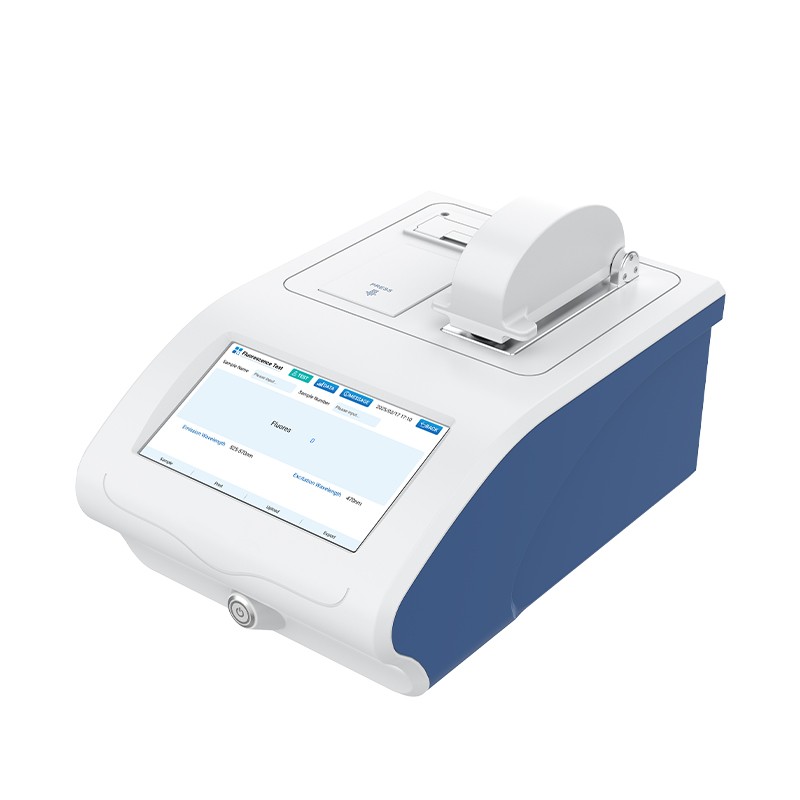
 +86 17853698681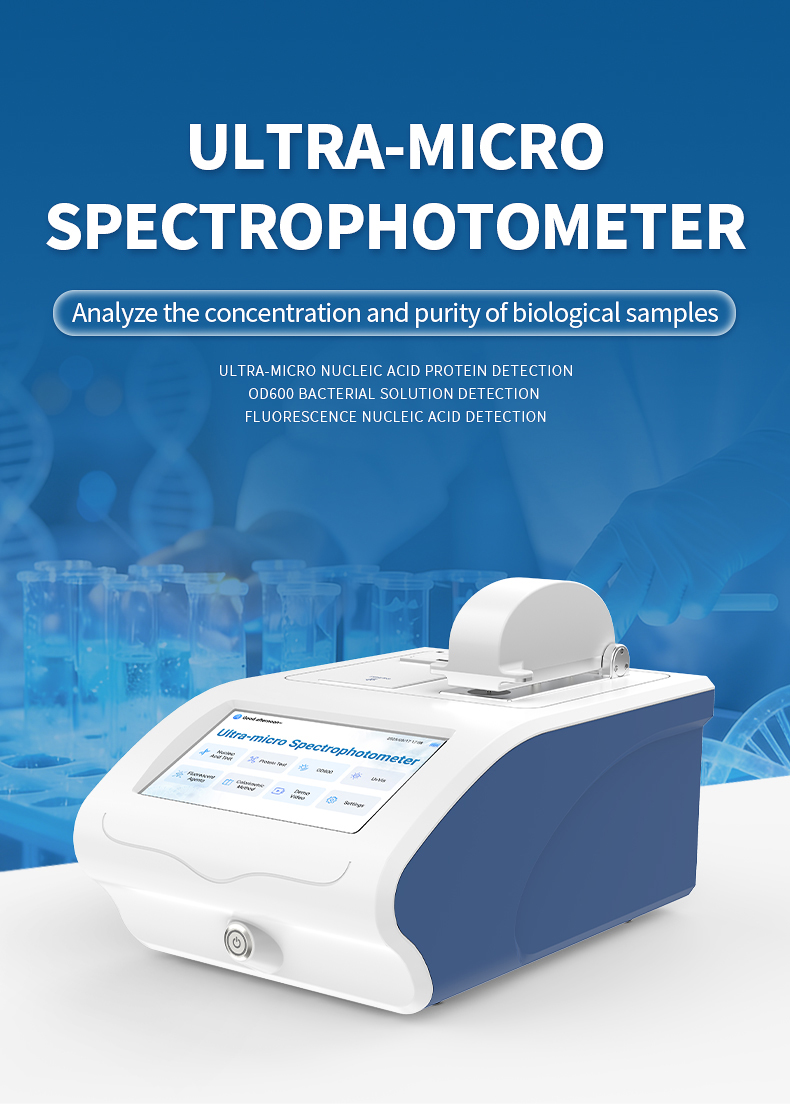


Product Introduction
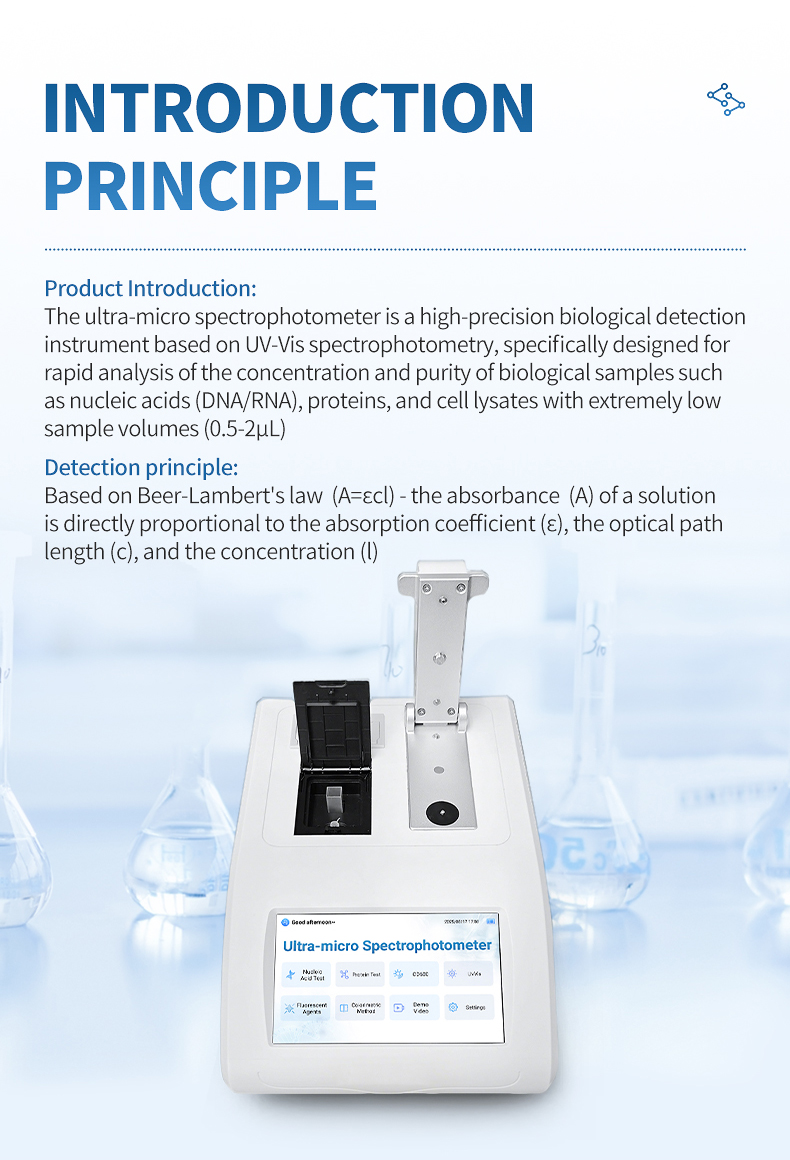
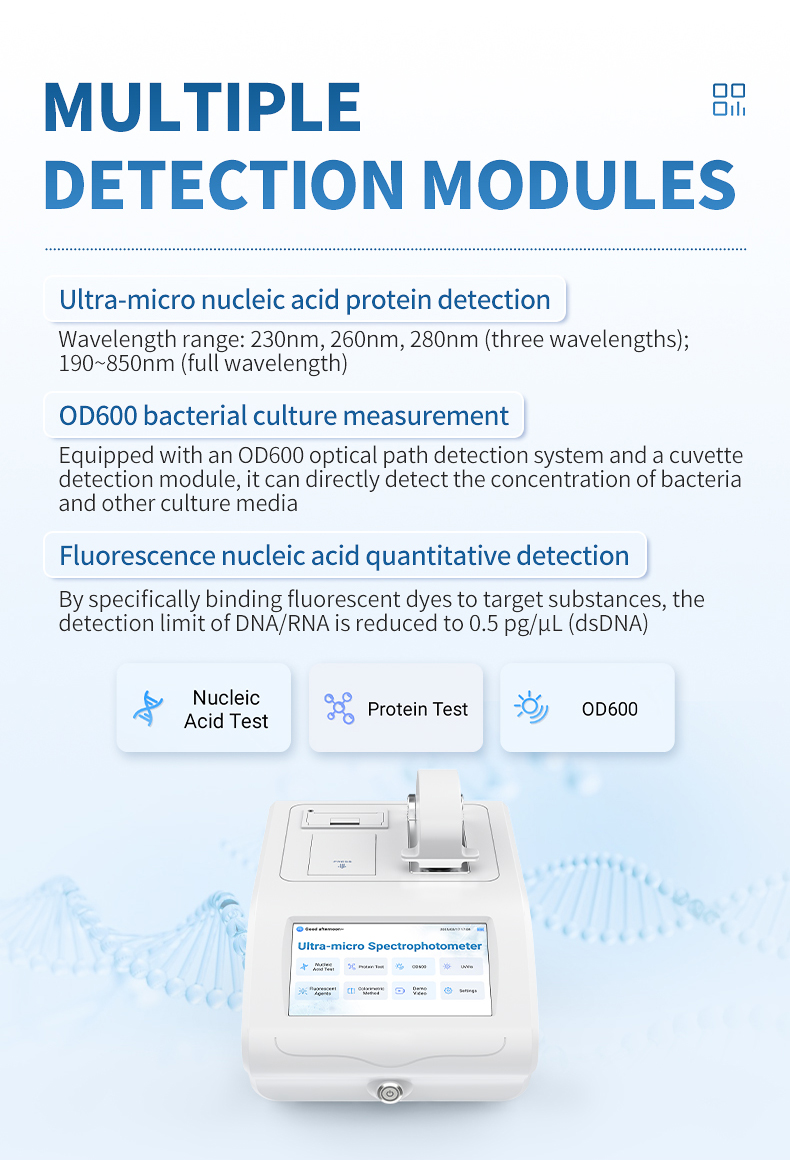
In any molecular biology laboratory, accurate quantification of nucleic acids and proteins is a daily necessity — but the tools available often force a trade-off between convenience, sample consumption, and cost. Traditional UV spectrophotometers require significant sample volumes and cuvette cleaning cycles. Nanodrop-style instruments solve the volume problem but come with high reagent costs and fragile pedestals. The HM-CWF1 addresses all these pain points with a purpose-built approach: liquid column surface tension technology that holds a 0.5–2 µL sample in place without any physical container, eliminating consumables entirely.
For the three measurement wavelengths that matter most in molecular biology — 230 nm (organic contaminants), 260 nm (nucleic acid absorbance), and 280 nm (protein absorbance) — the HM-CWF1 delivers results in under 6 seconds with absorbance accuracy of ±2% (0.76 Abs @ 260 nm). The A260/A280 and A260/A230 purity ratios are calculated automatically, providing immediate feedback on sample quality before downstream applications such as PCR, cloning, transfection, or sequencing.
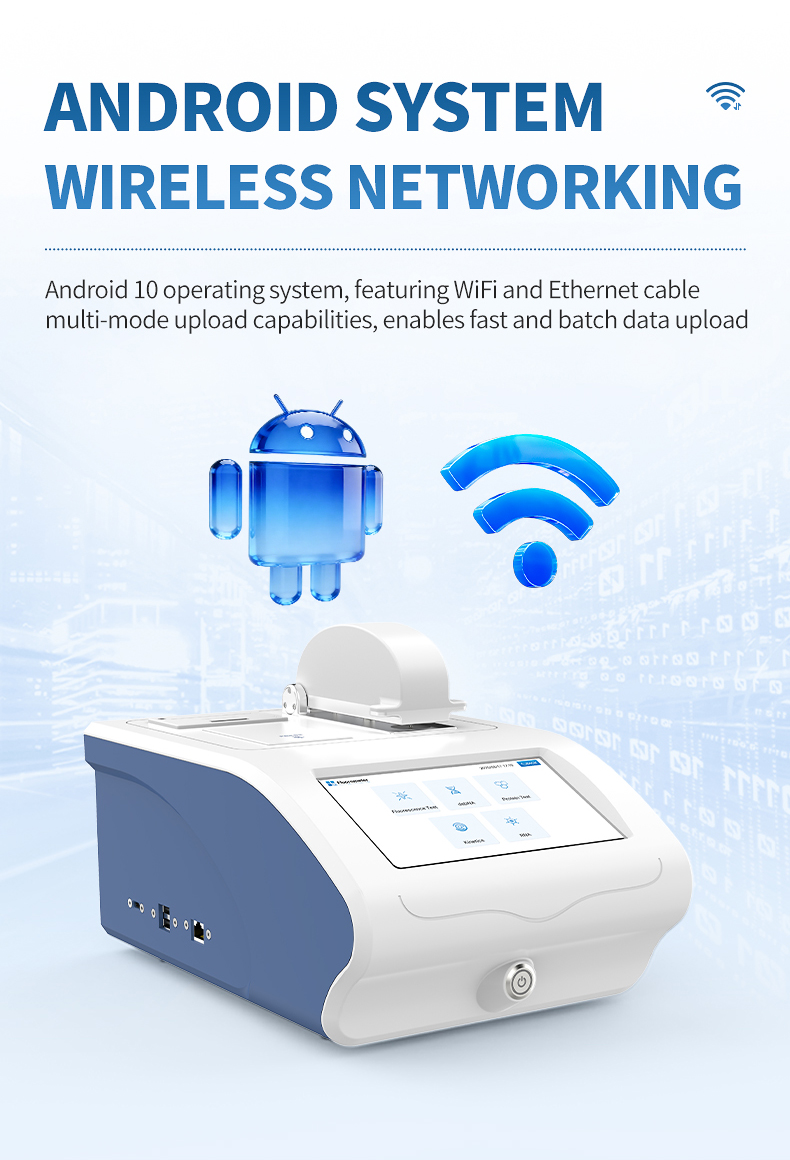
Beyond nucleic acid work, the dedicated OD600 module with its cuvette detection pathway allows the same instrument to monitor bacterial cultures directly, covering the complete daily workflow from cell growth to nucleic acid extraction and quantification. The Android 10 system stores up to 100,000 measurement records with searchable history, enabling trend analysis and cross-experiment comparisons without relying on external software. Wi-Fi and Ethernet connectivity support direct upload to laboratory information management systems (LIMS), while the 7000 mAh battery ensures 8 hours of uninterrupted operation regardless of bench configuration.
For teaching laboratories, core facilities, and small research groups where instrument budget is a primary concern, the HM-CWF1 provides professional-grade measurement capability at an accessible price point, without requiring fluorescence capabilities or full-spectrum scanning that most routine workflows do not use.
Applications
DNA/RNA quality control before PCR and qPCR: Measure A260/A280 and A260/A230 ratios to confirm sample purity; flag phenol contamination (A260/A230 <1.8) or protein carryover (A260/A280 <1.7) before running expensive assays.
Post-extraction nucleic acid yield assessment: Quantify dsDNA (2–15,000 ng/µL), total RNA, and genomic DNA after column-based, phenol-chloroform, or magnetic bead extraction protocols.
Protein sample quantification by UV absorbance: Measure BSA and IgG standards in the 0.05–400 mg/mL range for downstream applications including Western blotting, ELISA, and enzyme activity assays.
Bacterial culture OD600 monitoring: Track E. coli, yeast, and other microbial cultures through growth phases; correlate OD600 readings (0–4 Abs) with cell density for induction timing and harvest optimization.
Pre-cloning and pre-transfection sample verification: Confirm insert DNA concentration and purity before ligation reactions or transfection protocols to maximize efficiency.
Teaching laboratory demonstrations: Introduce students to spectrophotometric principles with a safe, consumable-free platform that handles the variety of sample types encountered in undergraduate molecular biology coursework.
Routine quality control in biotech manufacturing: Integrate with LIMS for batch tracking of upstream biological material quality across production runs.
Key Features & Advantages
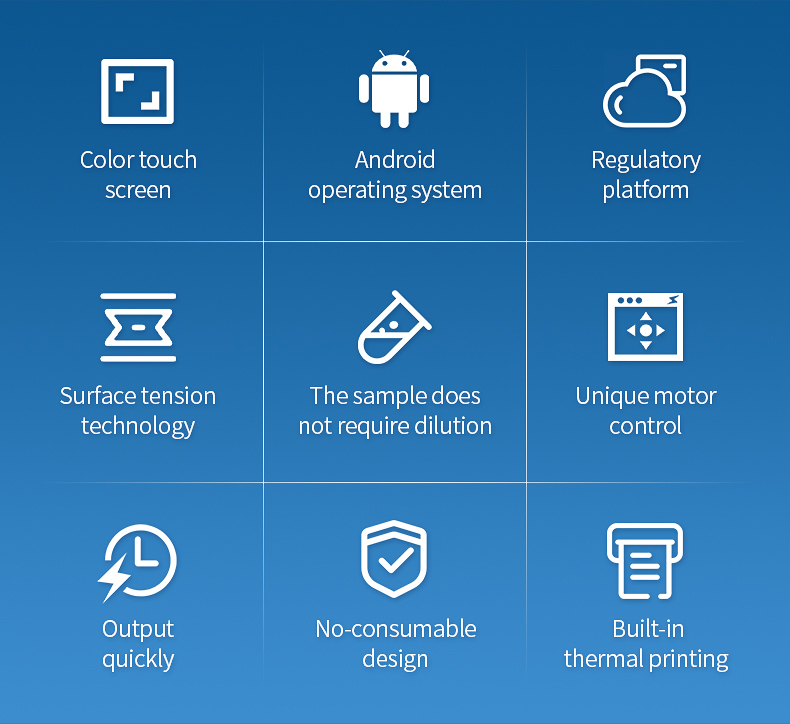
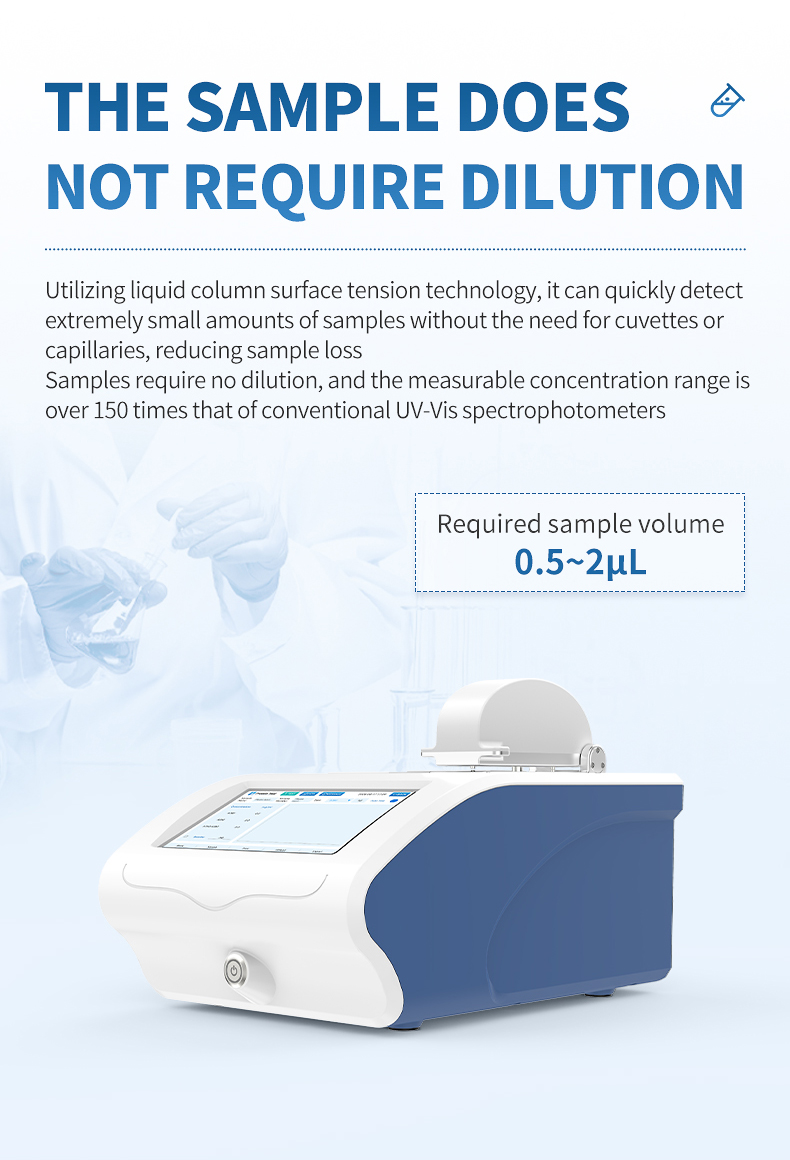
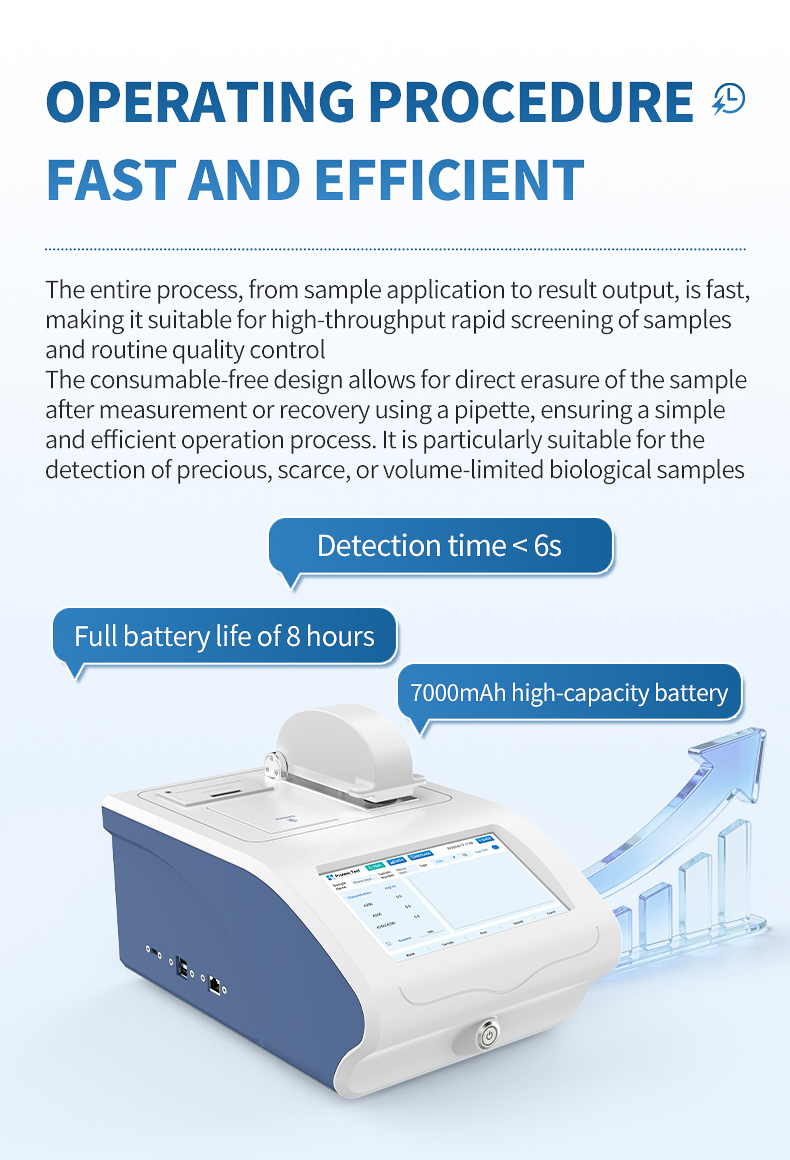
Consumable-free, no-dilution measurement platform: The liquid column surface tension mechanism eliminates cuvettes, capillaries, and disposable pedestals. Sample recovery by pipette after measurement reduces per-test cost to nearly zero and protects valuable material.
0.5–2 µL sample volume — same as the leading competitors: Matches the convenience of premium micro-volume spectrophotometers at a fraction of the cost, making it the practical choice for budget-conscious labs without sacrificing workflow compatibility.
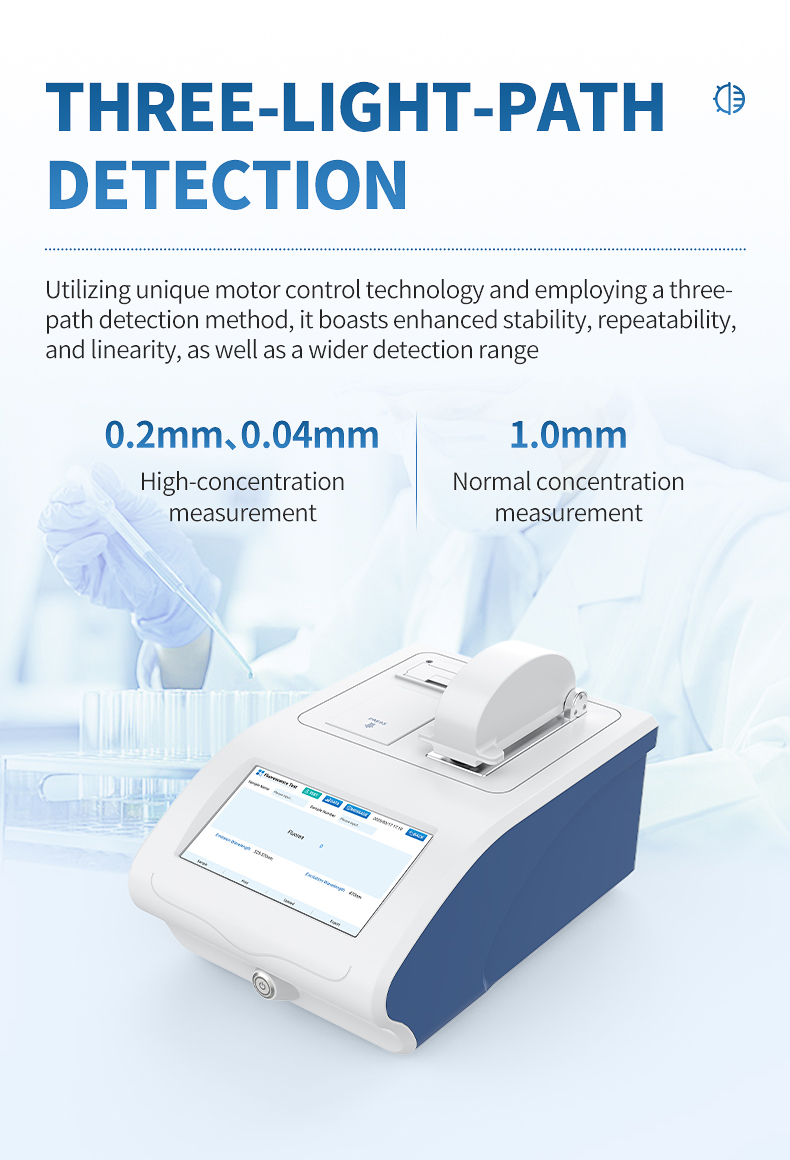
Three-light-path automatic switching (0.04 / 0.2 / 1.0 mm): Motor-driven optical path selection extends the effective measurement range to 0.04–300 A equivalent — over 150× the range of conventional UV spectrophotometers — eliminating manual dilution steps for concentrated samples.
Absorbance accuracy ±2% at 260 nm, precision 0.003 Abs: Meets the demands of standard molecular biology quantification without over-engineering for applications that do not require fluorescence sensitivity.
Integrated OD600 bacterial culture module: Dedicated cuvette pathway (OD600 absorbance range 0–4 Abs, stability ≤1%, repeatability ≤1%) within the same instrument eliminates the need for a separate bacterial density meter.
Detection time under 6 seconds: Supports high-sample-throughput workflows without creating measurement bottlenecks during busy extraction or purification sessions.
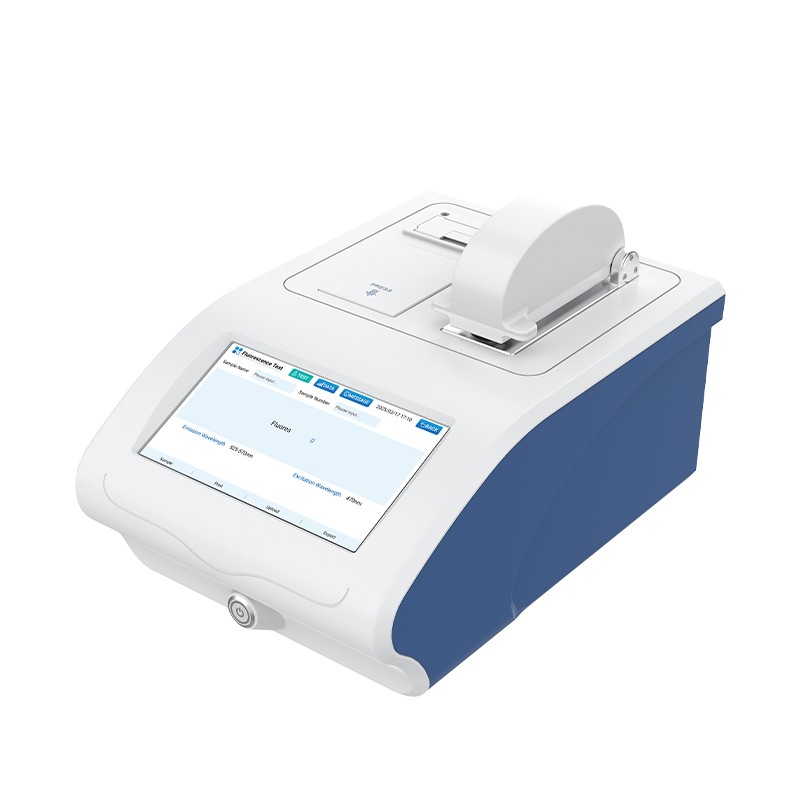
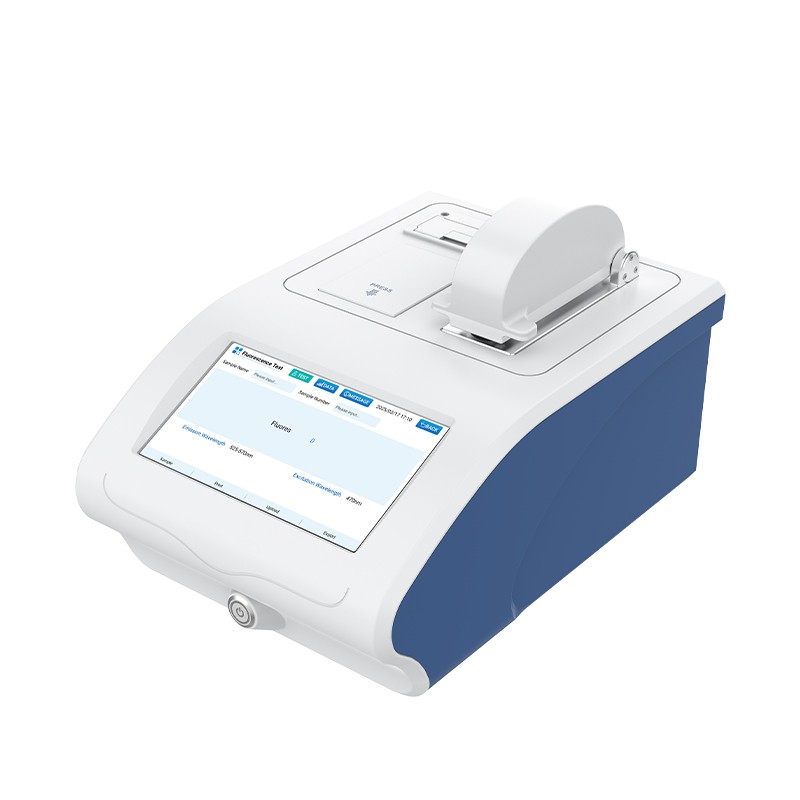
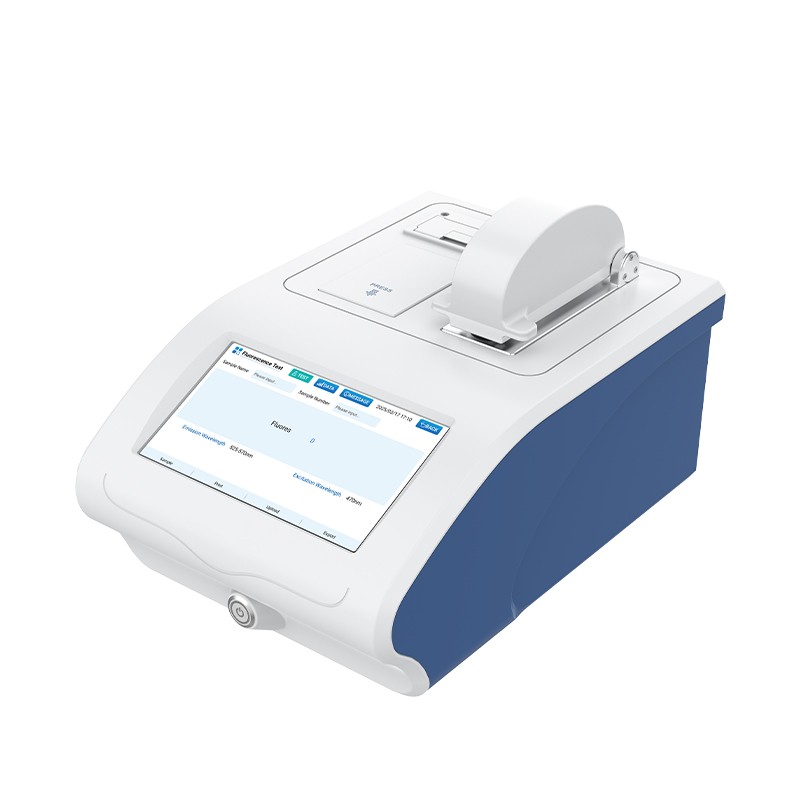
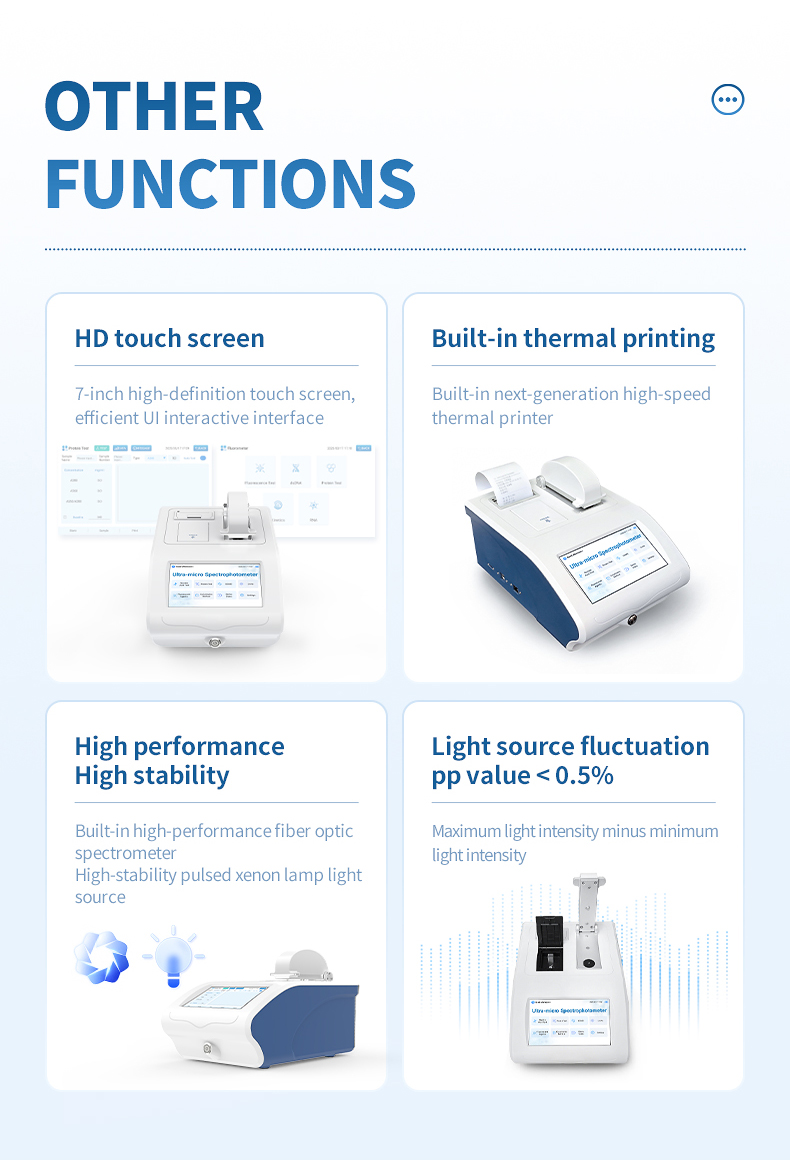
Android 10 with 7-inch HD touchscreen: The full-screen interface presents all measurement parameters clearly; dedicated app modules for Nucleic Acid Test, Protein Test, and OD600 require minimal training for new lab members.
Built-in thermal printer: Generates printed results immediately after each measurement for paper-based laboratory documentation, without connecting to external printers or computers.
Wi-Fi, Ethernet, and USB data management: Results can be exported to USB drives, uploaded to cloud storage platforms, or pushed to LIMS; over-the-air firmware upgrades keep the instrument current without manual intervention.
7000 mAh lithium battery (21.6 V), 8-hour runtime: Enables use in locations without nearby power outlets — fume hoods, biosafety cabinets, shared bench areas, and field sample processing stations.
Up to 100,000 stored records with search capability: Longitudinal data retention for audit trails, inter-experiment comparisons, and quality system compliance without external data storage devices.
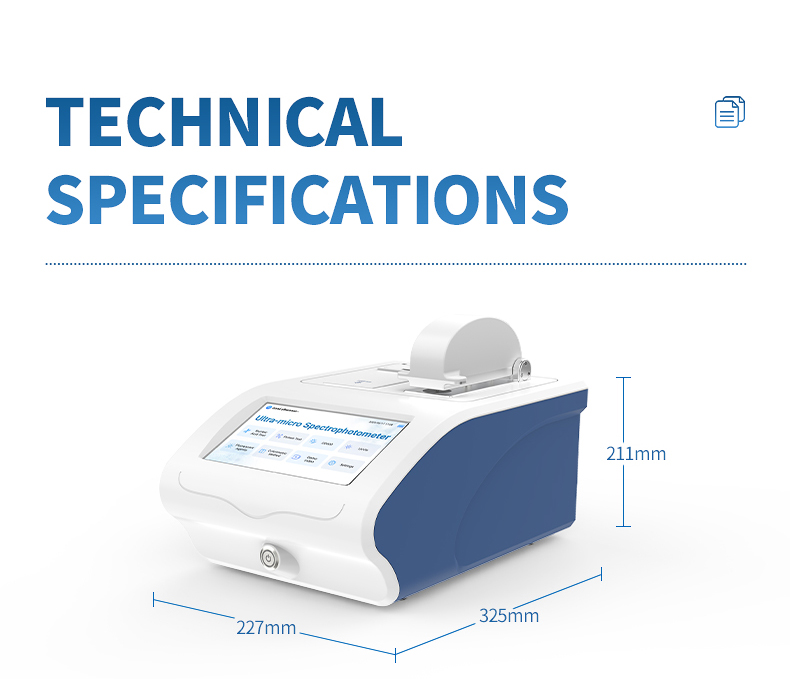
Compact footprint (325 × 227 × 211 mm, 5.15 kg): Fits comfortably on crowded lab benches and can be repositioned easily between workstations.
Technical Specifications
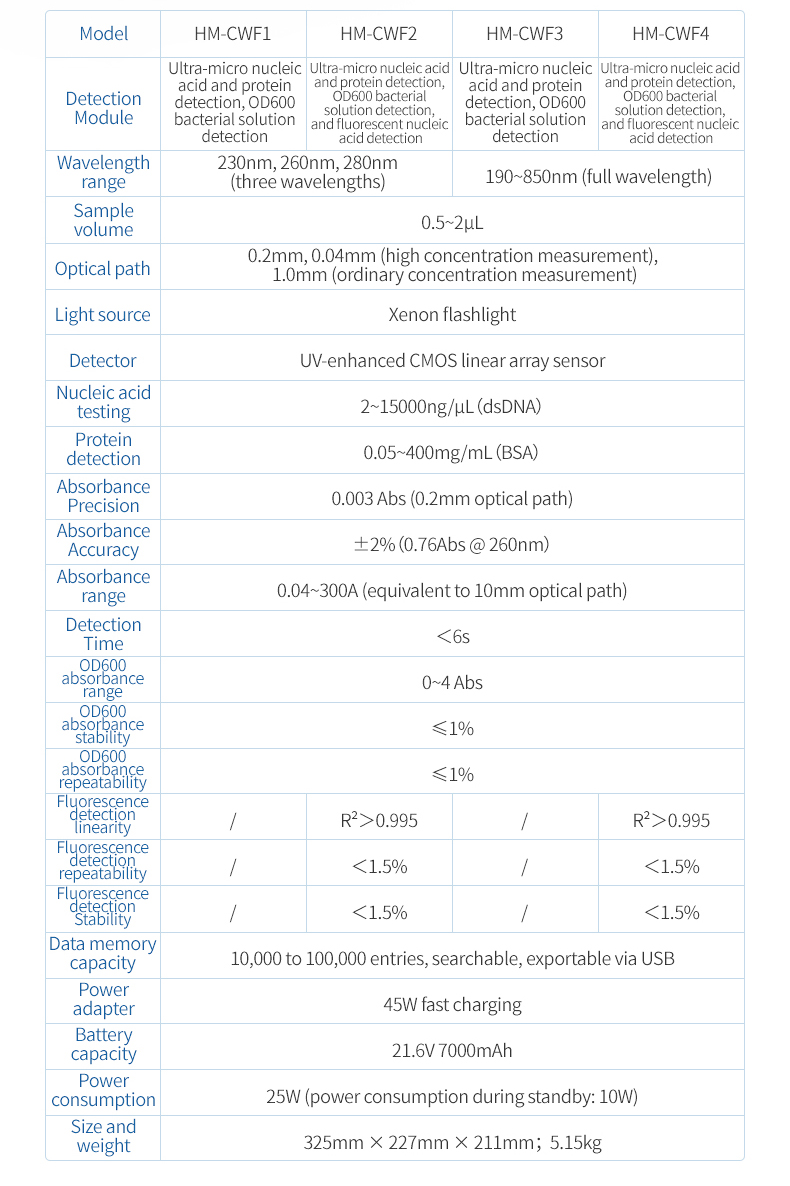
| Parameter | Specification |
|---|---|
| Model | HM-CWF1 |
| Detection Module | Ultra-micro nucleic acid & protein detection, OD600 bacterial solution detection |
| Wavelength Range | 230 nm, 260 nm, 280 nm (three fixed wavelengths) |
| Sample Volume | 0.5–2 µL |
| Optical Path | 0.2 mm, 0.04 mm (high concentration); 1.0 mm (standard concentration) |
| Light Source | Xenon flashlight (pulsed xenon lamp) |
| Detector | UV-enhanced CMOS linear array sensor |
| Nucleic Acid Testing Range | 2–15,000 ng/µL (dsDNA) |
| Protein Detection Range | 0.05–400 mg/mL (BSA) |
| Absorbance Precision | 0.003 Abs (0.2 mm optical path) |
| Absorbance Accuracy | ±2% (0.76 Abs @ 260 nm) |
| Absorbance Range | 0.04–300 A (equivalent to 10 mm optical path) |
| Detection Time | <6 s |
| OD600 Absorbance Range | 0–4 Abs |
| OD600 Absorbance Stability | ≤1% |
| OD600 Absorbance Repeatability | ≤1% |
| Fluorescence Detection | Not available |
| Operating System | Android 10 |
| Display | 7-inch HD color touchscreen |
| Connectivity | Wi-Fi, Ethernet, USB |
| Data Storage | 10,000–100,000 entries, searchable, exportable via USB |
| Power Adapter | 45 W fast charging |
| Battery Capacity | 21.6 V / 7000 mAh |
| Power Consumption | 25 W (standby: 10 W) |
| Size & Weight | 325 mm × 227 mm × 211 mm; 5.15 kg |
FAQ
Q1: How does the HM-CWF1 measure samples without a cuvette — and is the sample recoverable?
A: The HM-CWF1 uses liquid column surface tension technology: when a 0.5–2 µL droplet is applied to the sample pedestal, surface tension holds the sample in a stable liquid column bridging the optical path. The light beam passes directly through this column for absorbance measurement. After measurement, the sample can be fully recovered by pipetting back, meaning no sample is lost to consumable waste. This also eliminates any cleaning step — a simple wipe with a lint-free tissue prepares the pedestal for the next measurement.
Q2: What A260/A280 and A260/A230 ratio ranges indicate a clean nucleic acid sample?
A: The HM-CWF1 calculates both ratios automatically. For genomic DNA and plasmid DNA, an A260/A280 ratio between 1.8 and 2.0 is generally considered acceptable; values below 1.7 suggest protein or phenol contamination. For A260/A230, a ratio of 2.0–2.2 is typical for pure nucleic acid; values below 1.8 often indicate residual guanidinium, EDTA, or organic solvent carryover. These reference ranges are based on widely used laboratory practice and should be interpreted in the context of your specific extraction protocol and downstream assay sensitivity.
Q3: Can the HM-CWF1 measure RNA as well as DNA, and does it apply different extinction coefficients?
A: Yes, the HM-CWF1 supports measurement of dsDNA, ssDNA, total RNA, and mRNA using standard extinction coefficients (e.g., 50 ng·cm/µL for dsDNA, 40 ng·cm/µL for RNA, 33 ng·cm/µL for ssDNA). The user selects the nucleic acid type from the menu, and the instrument applies the corresponding factor to convert absorbance readings into concentration values. Custom extinction coefficients can be entered for non-standard oligonucleotide sequences or other nucleic acid variants.
Q4: How accurate is the OD600 reading compared to a dedicated bacterial density meter?
A: The OD600 module in the HM-CWF1 uses a dedicated optical path with a cuvette holder, providing OD600 absorbance stability ≤1% and repeatability ≤1%. For most routine microbial culture work — growth curve monitoring, induction point determination, and cell harvest timing — this level of performance is equivalent to dedicated OD meters. Because OD600 values above approximately 0.4 Abs often require dilution to remain in the linear range for any photometric instrument, sample dilution with fresh medium before measurement is still recommended for dense cultures.
Q5: Does the HM-CWF1 support integration with laboratory data management or LIMS systems?
A: The instrument supports data export via USB (standard file formats for spreadsheet import), as well as Wi-Fi and Ethernet network upload. The onboard storage retains up to 100,000 records with date, sample ID, measurement type, and full numerical results, all searchable from the touchscreen. For laboratories with formal LIMS requirements, the USB export path allows integration with most common LIMS platforms. Direct API integration would require consultation with your IT team regarding the specific platform in use.
Q6: What is the lower detection limit for nucleic acid quantification, and is this instrument appropriate for low-concentration samples?
A: The HM-CWF1 has a nucleic acid testing range starting at 2 ng/µL (dsDNA) by UV absorbance. For samples below this threshold — such as low-yield RNA extractions, dilute PCR products, or single-cell preparations — UV absorbance alone is generally insufficient regardless of the instrument used, because the signal falls below the noise floor. In these cases, a fluorescence-based method is required. The HM-CWF2 or HM-CWF4 models, which include a 470 nm fluorescence module, are recommended for applications requiring detection below 2 ng/µL.
Address of this article:https://labinstruments.net/pro2/nucleic-acid-protein-quantification-spectrophotometer-cwf1.html
- Previous: no more
- Next: Sensitive Fluorescence Spectrophotometer for NGS Library QC and Trace DNA/RNA Quantification