

 Current
location:
Current
location: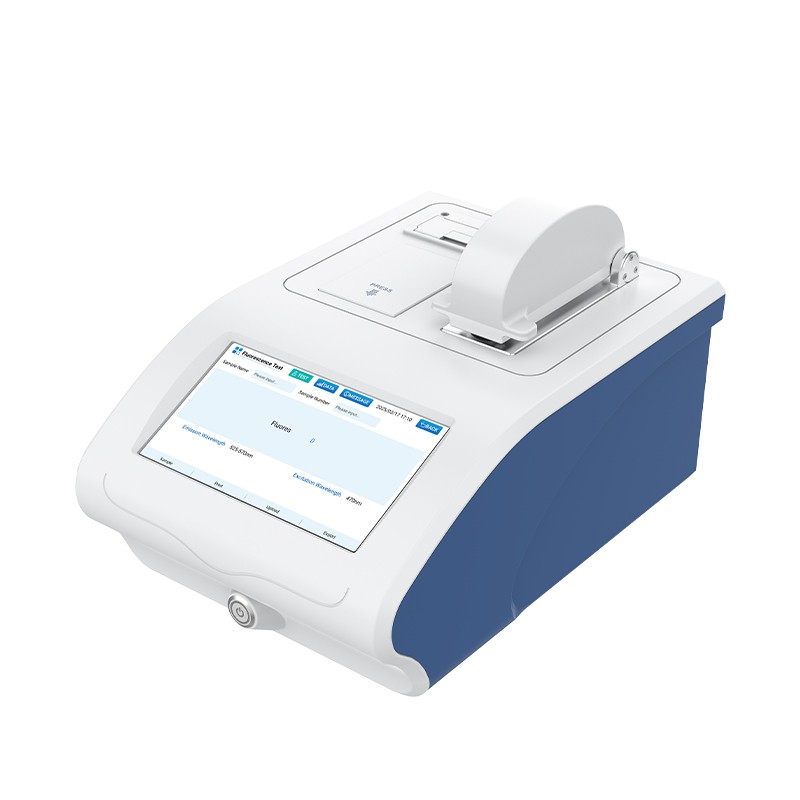
 +86 17853698681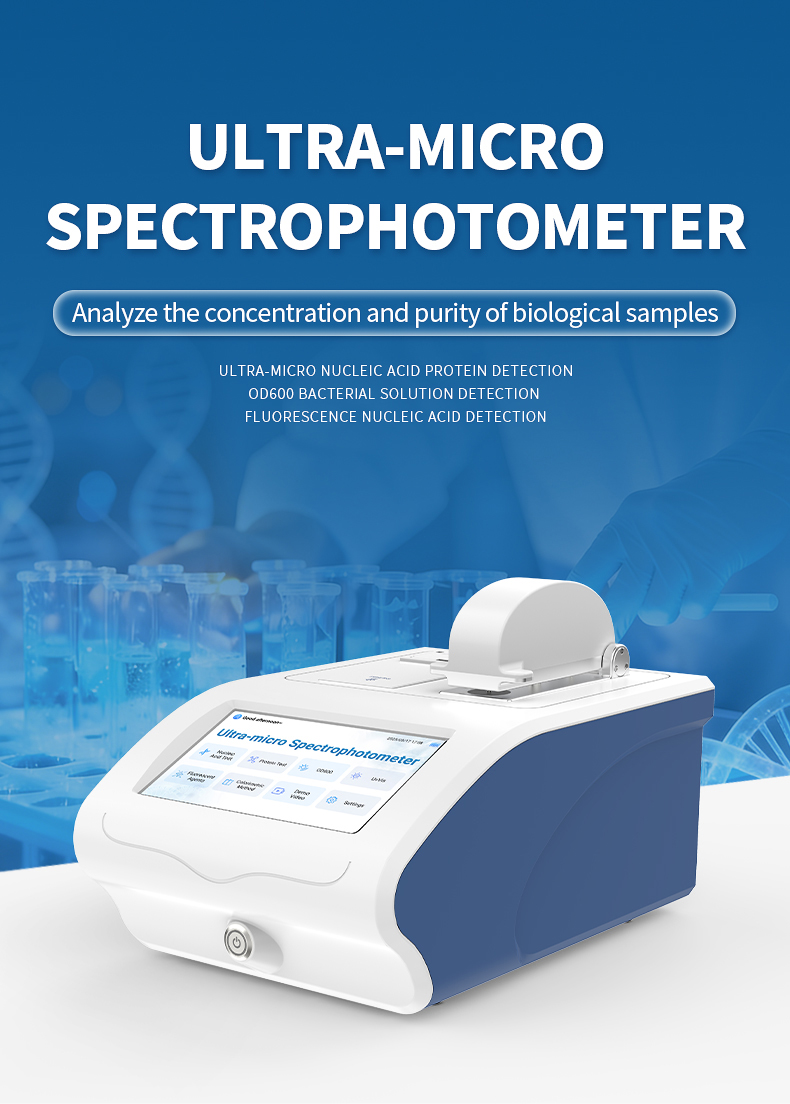

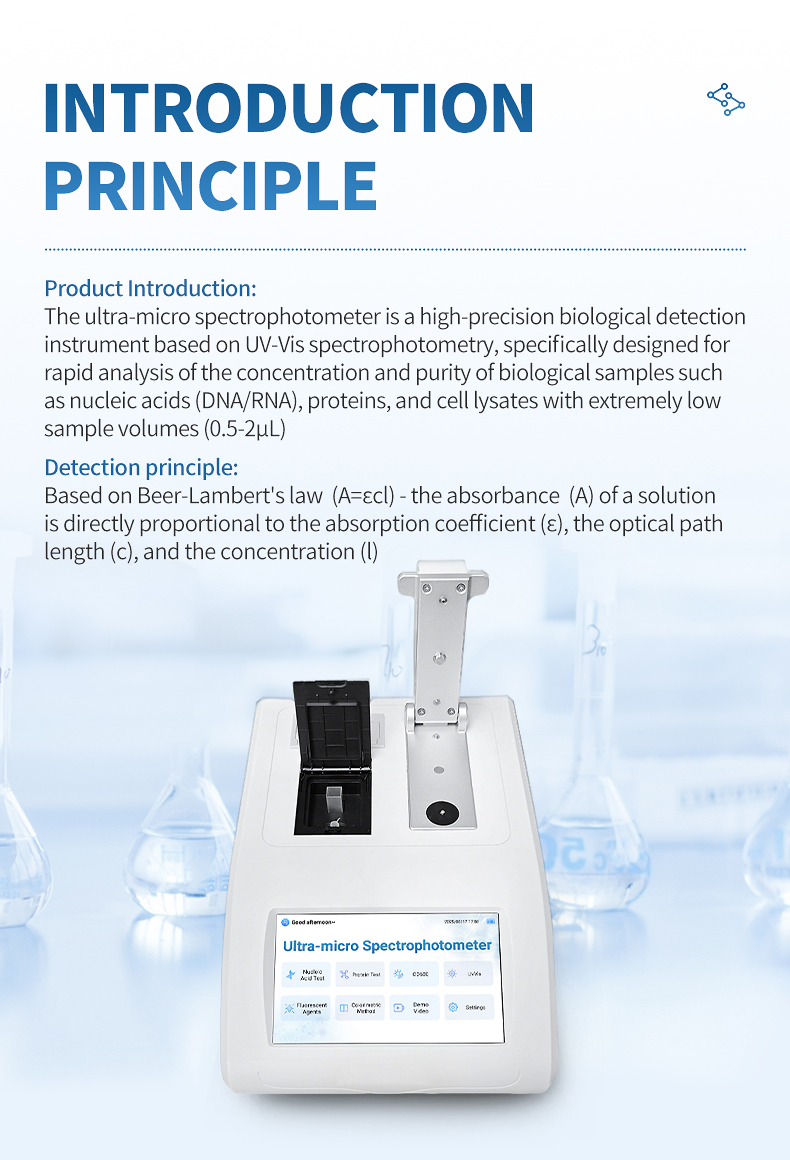


Product Introduction
Research laboratories encounter a consistent limitation when working with fixed-wavelength micro-volume spectrophotometers: the three standard nucleic acid measurement points (230, 260, 280 nm) cover only a fraction of the analytical needs that arise during a typical research week. Colorimetric protein assays such as BCA and Bradford measure absorbance at 562 nm and 595 nm respectively. Enzyme kinetic assays for NAD(P)H-dependent reactions track absorbance changes at 340 nm. Food safety colorimetric tests for nitrite, heavy metals, or additives require wavelengths spread across the visible range (400–700 nm). None of these can be performed on a three-wavelength-only instrument, regardless of how convenient its sample loading mechanism is.
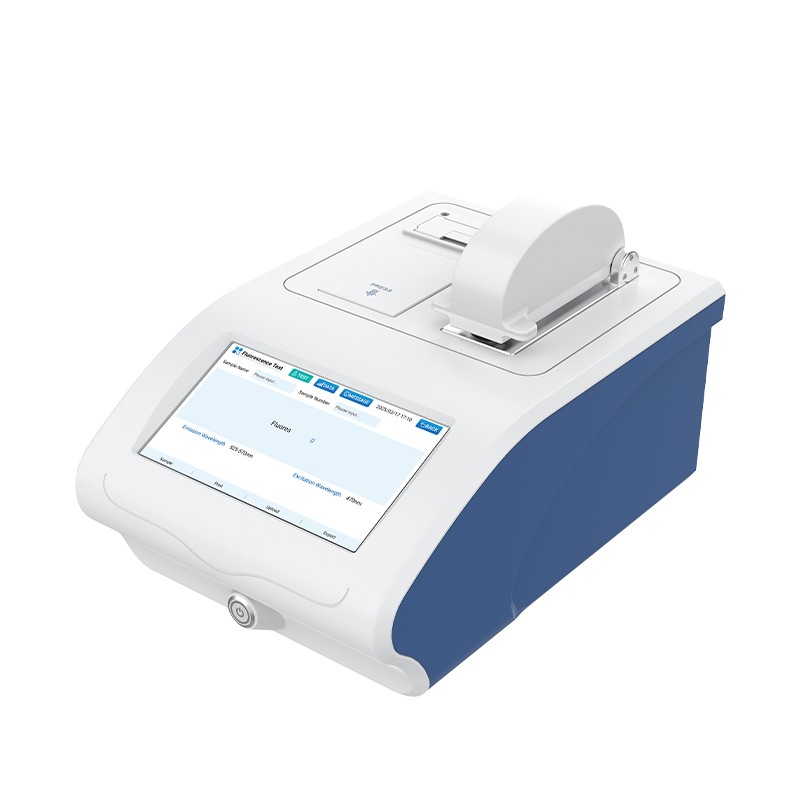
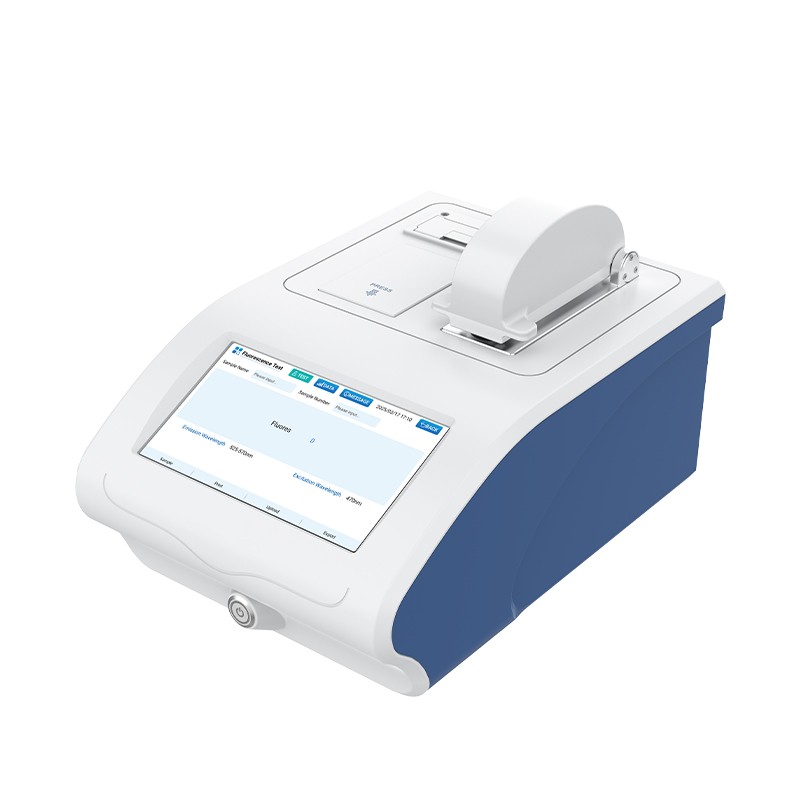
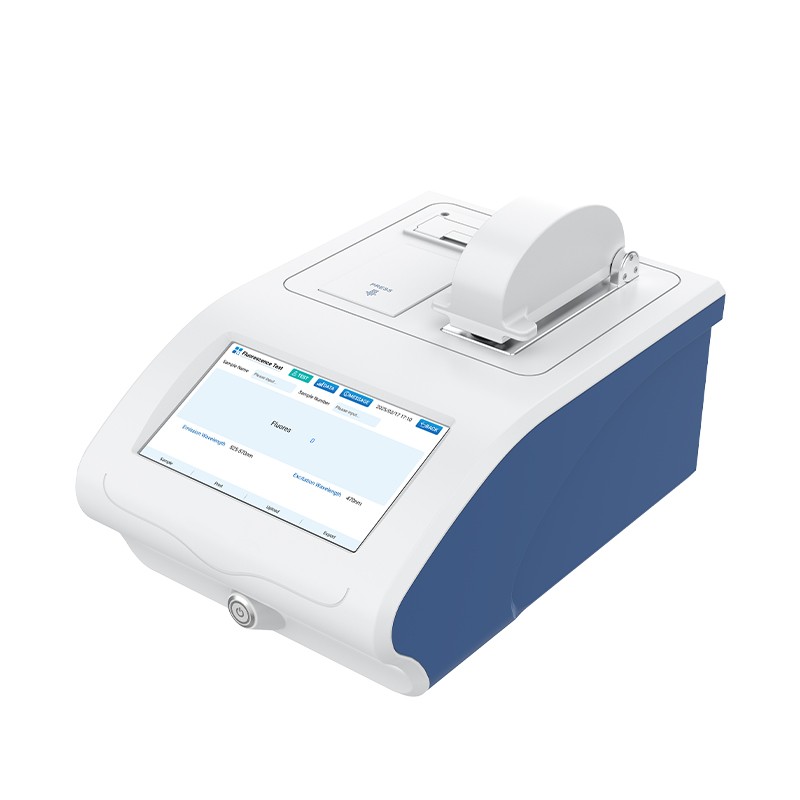
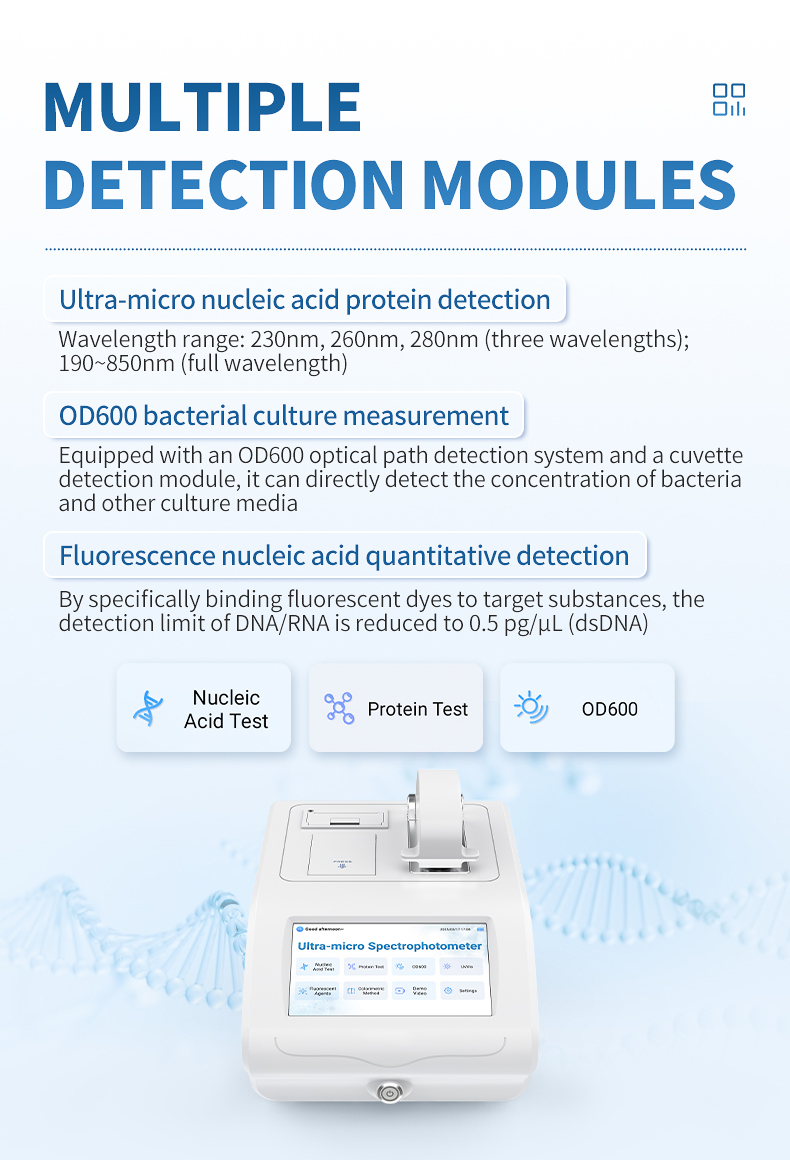
The HM-CWF3 addresses this directly by providing continuous spectral coverage from 190 to 850 nm within the same micro-volume, no-dilution, no-consumable platform that characterizes the entire CWF series. The full-wavelength capability is not an add-on — it is the primary distinction of the HM-CWF3 over the entry-level CWF1. Users gain complete UV-Vis spectral scanning for unknown samples, wavelength-specific quantification at any point in the 190–850 nm range, and a dedicated Colorimetric Method module on the Android 10 interface for running standard reagent-based assays directly from the touchscreen.
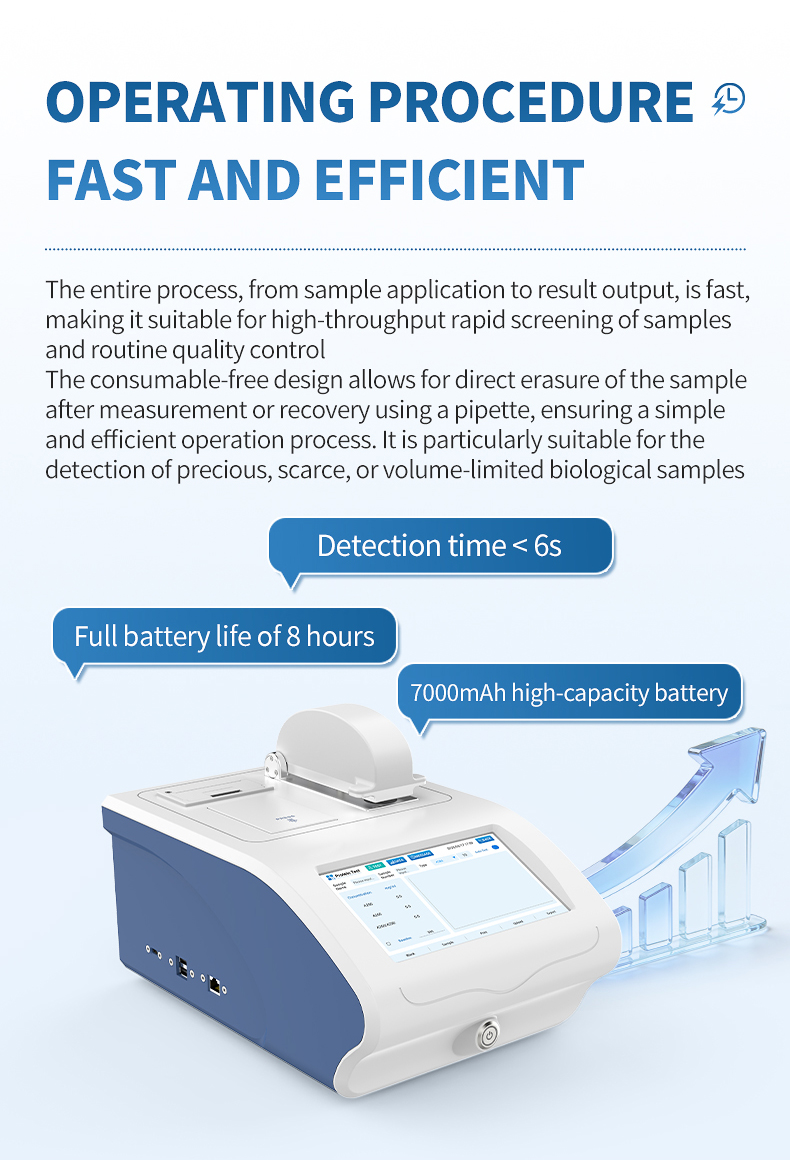
The nucleic acid quantification capability operates using the same three reference wavelengths (230/260/280 nm) that the full-wavelength range encompasses, plus the ability to calculate ratios and apply custom extinction coefficients for non-standard nucleic acid analytes. The OD600 module with cuvette detection pathway remains available for bacterial culture monitoring, completing a comprehensive analytical toolkit. All of this operates on a 7000 mAh battery for 8 hours of standalone use, making the HM-CWF3 suitable not only for benched lab environments but also for field sample screening where analytical flexibility is valuable.
Applications
BCA protein assay at 562 nm: Bicinchoninic acid protein assays require measurement at 562 nm — outside the range of three-wavelength instruments; the HM-CWF3 measures this directly without additional instruments.
Bradford protein assay at 595 nm: Coomassie Brilliant Blue G-250 dye binds protein and is measured at 595 nm; the full-wavelength capability handles this and other dye-based protein assays natively.
Enzyme kinetics at 340 nm (NADH/NADPH assays): Track absorbance changes in NAD(P)H-coupled enzymatic reactions for enzyme activity quantification, substrate screening, or inhibition studies.
Absorbance spectrum acquisition for unknown compounds: Scan the full UV-Vis range to identify characteristic absorption peaks, compare with reference spectra, and determine optimal measurement wavelengths for new analytes.
Food additive and colorant analysis: Colorimetric detection of nitrite, heavy metals, food dyes, and preservatives in food matrices requires measurement across the 400–700 nm visible range.
Chlorophyll and plant pigment quantification: Measure chlorophyll a (663 nm), chlorophyll b (645 nm), and carotenoids at their specific absorption maxima for plant biology and agricultural research.
DNA/RNA quantification and purity analysis (A260/A280, A260/A230): Full 190–850 nm coverage includes the standard nucleic acid wavelengths; the HM-CWF3 handles routine quantification alongside expanded spectral protocols.
OD600 bacterial culture monitoring: Dedicated cuvette pathway for microbial culture density measurements supporting fermentation, cloning, and expression optimization workflows.
Environmental water quality colorimetric testing: COD, ammonia nitrogen, phosphate, and other water quality parameters measured by colorimetric reagent kits operate at specific visible wavelengths covered by the HM-CWF3.
Key Features & Advantages
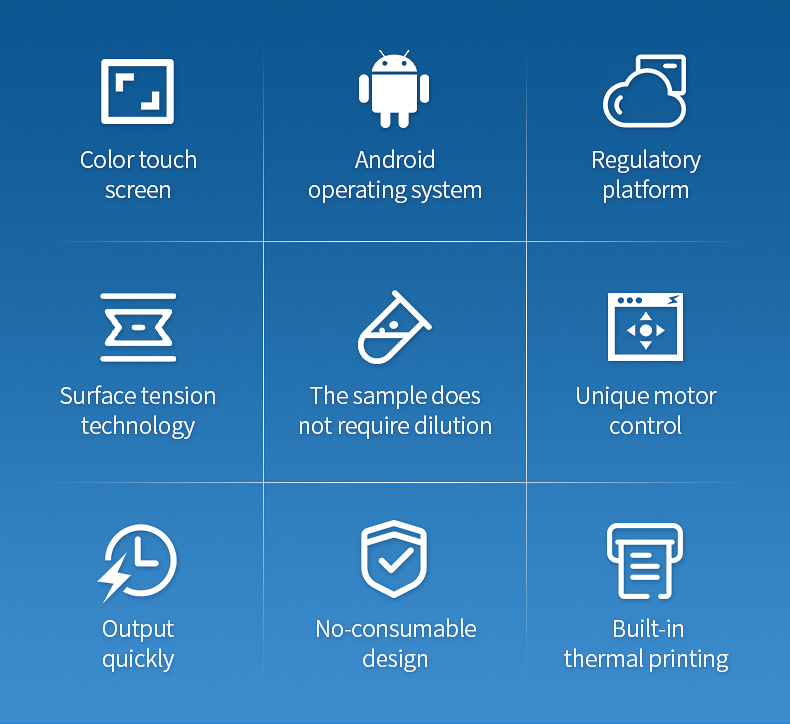
Full wavelength range 190–850 nm with continuous spectral scanning: The single most important distinction from CWF1 — every wavelength in the UV and visible range is accessible, enabling protocols that are simply not possible on a three-wavelength-only instrument.
Colorimetric Method module on the Android 10 interface: Dedicated app for running standard colorimetric assays (BCA at 562 nm, Bradford at 595 nm, and user-defined wavelength protocols) directly from the touchscreen without external software or manual calculation.
Custom wavelength quantification for any analyte in the 190–850 nm range: Define measurement wavelengths for non-standard analytes, specialized dyes, industrial colorants, or any compound with a UV-Vis absorption profile.
Absorption spectrum acquisition: Run a full UV-Vis wavelength sweep to identify characteristic absorption peaks of unknown samples, validate purity profiles, or generate spectral fingerprints for quality control databases.
OD600 bacterial culture module with cuvette pathway: Dedicated optical path separate from the micro-volume pedestal, OD600 range 0–4 Abs, stability ≤1%, repeatability ≤1%, supports serial culture monitoring through growth phases.
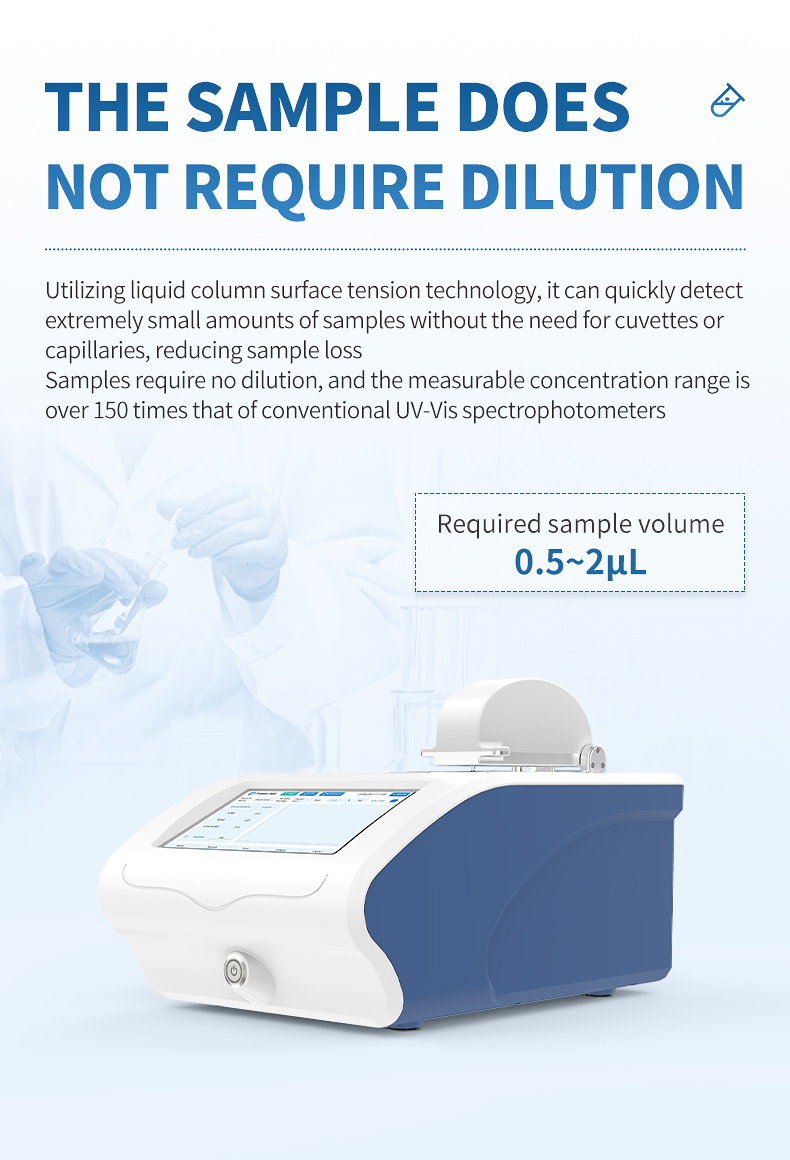
No-dilution, no-consumable sample loading for the full UV-Vis range: The liquid column surface tension mechanism (0.5–2 µL) applies to all wavelengths within 190–850 nm, not only the three nucleic acid wavelengths — enabling low-volume colorimetric assays that preserve precious analyte material.
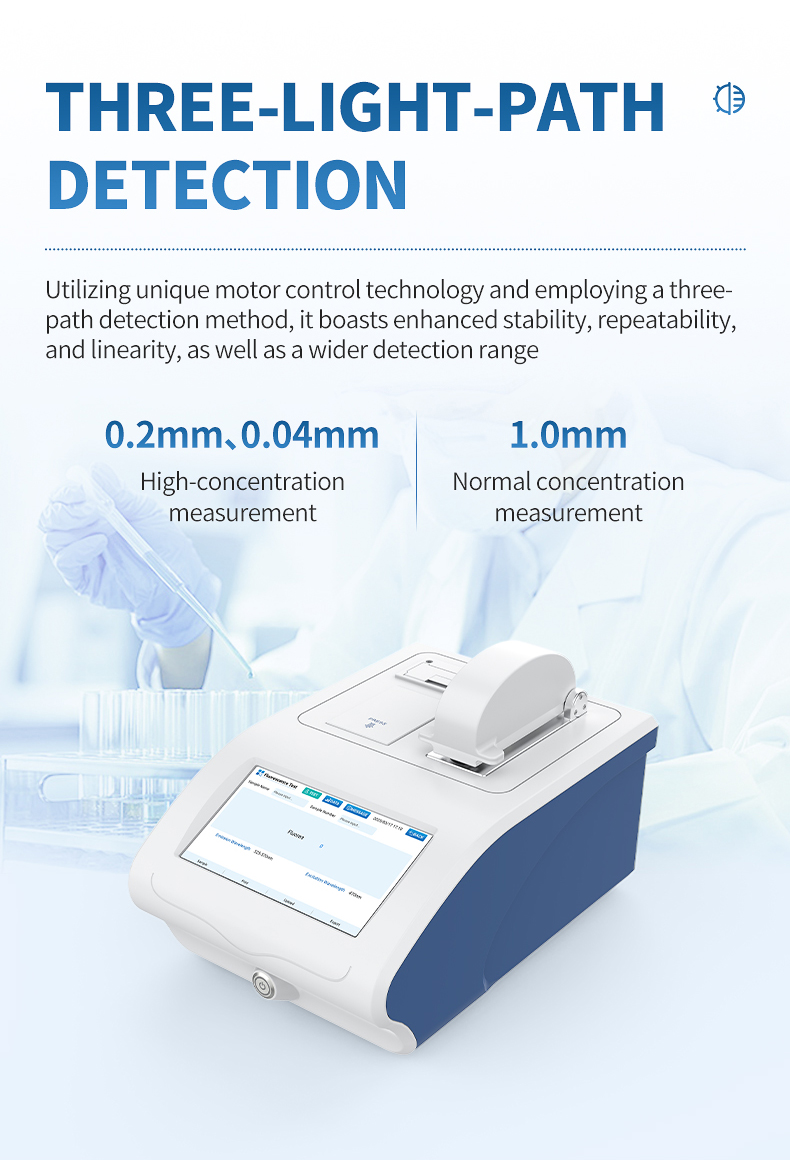
Three-light-path automatic switching (0.04 / 0.2 / 1.0 mm): Covers the full 0.04–300 A absorbance range equivalent across the entire spectrum, eliminating the need for manual dilution at any measured wavelength for high-concentration samples.
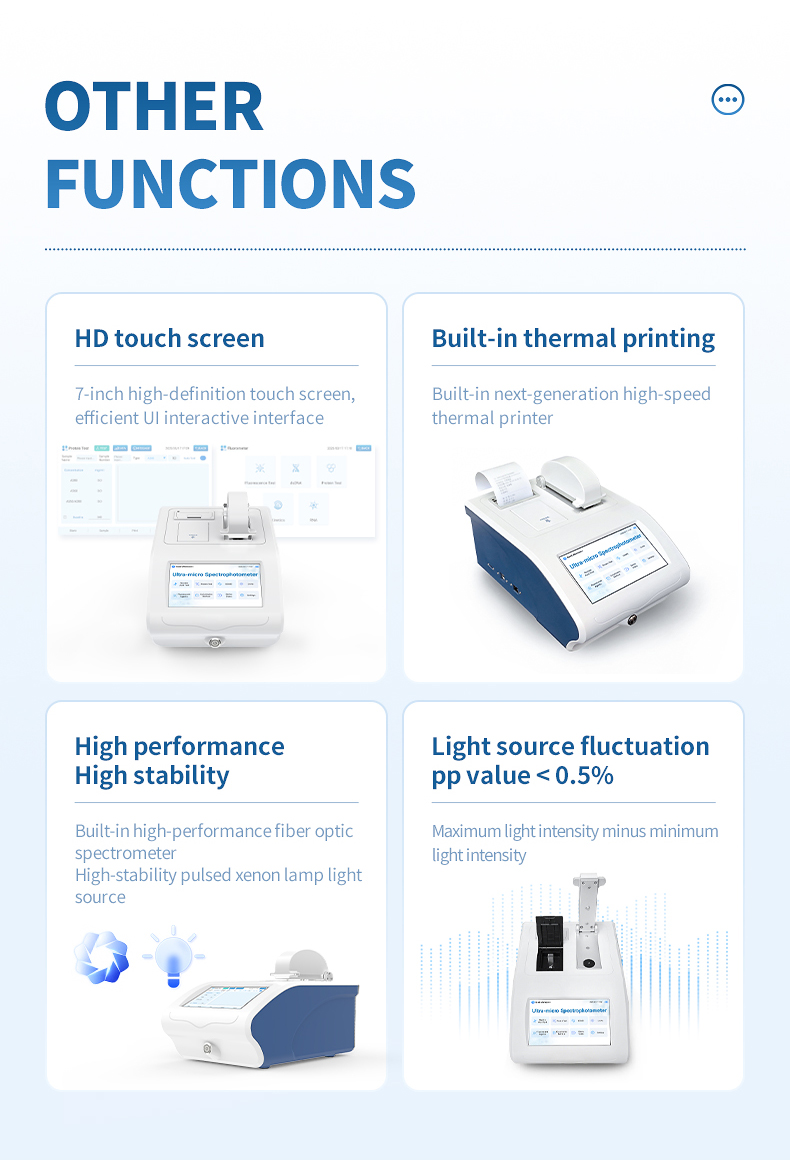
High-stability pulsed xenon lamp across the full 190–850 nm range: PP value <0.5% ensures consistent intensity from deep UV through near-infrared, providing reliable baseline correction for spectral scans and kinetic measurements.
UV-enhanced CMOS linear array detector: Absorbance precision 0.003 Abs, accuracy ±2% (0.76 Abs @ 260 nm); detector optimized for UV-Vis performance without trading visible-range sensitivity.
Android 10 with dedicated UV-Vis Scan, Colorimetric Method, Nucleic Acid Test, Protein Test, and OD600 modules: Each measurement type has an optimized interface; the full-wavelength capability is integrated into the same ecosystem as standard nucleic acid and protein quantification.
7000 mAh battery, 8-hour runtime, Wi-Fi/Ethernet connectivity: Field-deployable with full data management including Wi-Fi upload, USB export, and remote software updates.
10,000–100,000 record storage with searchable history: Useful for building internal spectral databases, cross-run comparisons, and regulatory documentation for food safety or environmental testing applications.
Technical Specifications
| Parameter | Specification |
|---|---|
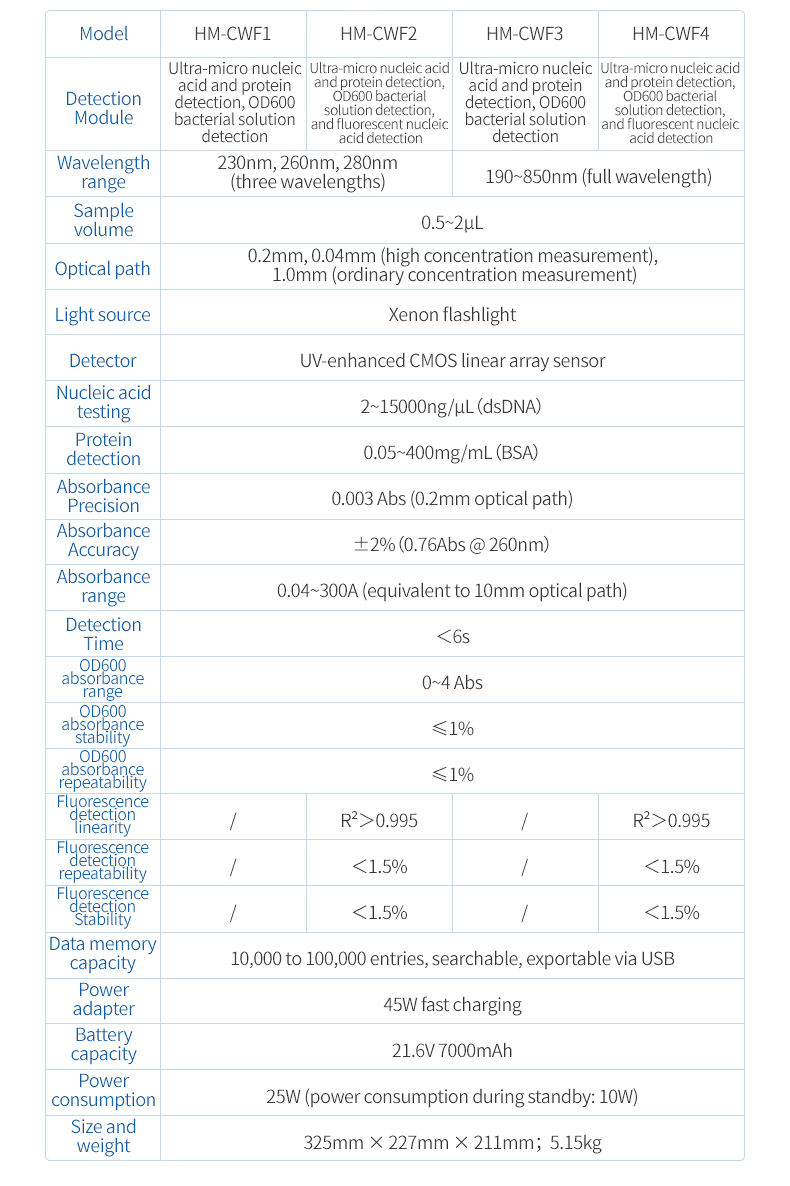
| Model | HM-CWF3 |
| Detection Module | Ultra-micro nucleic acid & protein detection, OD600 bacterial solution detection, UV-Vis full-wavelength scanning, colorimetric method |
| Wavelength Range | 190–850 nm (full wavelength) |
| Sample Volume | 0.5–2 µL |
| Optical Path | 0.2 mm, 0.04 mm (high concentration); 1.0 mm (standard concentration) |
| Light Source | Xenon flashlight (pulsed xenon lamp) |
| Detector | UV-enhanced CMOS linear array sensor |
| Nucleic Acid Testing Range | 2–15,000 ng/µL (dsDNA) |
| Protein Detection Range | 0.05–400 mg/mL (BSA) |
| Absorbance Precision | 0.003 Abs (0.2 mm optical path) |
| Absorbance Accuracy | ±2% (0.76 Abs @ 260 nm) |
| Absorbance Range | 0.04–300 A (equivalent to 10 mm optical path) |
| Detection Time | <6 s |
| OD600 Absorbance Range | 0–4 Abs |
| OD600 Absorbance Stability | ≤1% |
| OD600 Absorbance Repeatability | ≤1% |
| Fluorescence Detection | Not available |
| Operating System | Android 10 |
| Display | 7-inch HD color touchscreen |
| Connectivity | Wi-Fi, Ethernet, USB |
| Data Storage | 10,000–100,000 entries, searchable, exportable via USB |
| Power Adapter | 45 W fast charging |
| Battery Capacity | 21.6 V / 7000 mAh |
| Power Consumption | 25 W (standby: 10 W) |
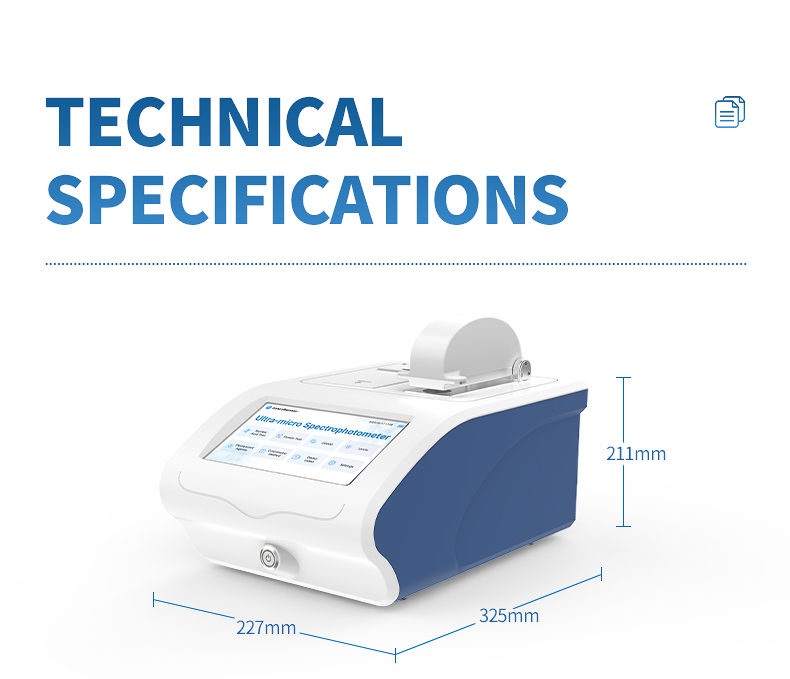
| Size & Weight | 325 mm × 227 mm × 211 mm; 5.15 kg |
FAQ
Q1: Can the HM-CWF3 run BCA and Bradford protein assays directly, and how does the Colorimetric Method module work?
A: Yes. The Colorimetric Method module on the HM-CWF3 Android interface allows the user to select or program a measurement wavelength — for example, 562 nm for BCA or 595 nm for Bradford — load the reagent-sample mixture onto the pedestal, and obtain an absorbance reading. Standard curves or extinction coefficients can be stored as protocols within the instrument, so concentration values are calculated automatically without manual spreadsheet work. Because the sample volume is only 0.5–2 µL, the reagent-to-sample ratio from the assay kit should be scaled accordingly before loading.
Q2: What does the full-wavelength scan mode produce, and how is the data used?
A: The UV-Vis Scan mode measures absorbance at multiple wavelengths across the 190–850 nm range in a single measurement cycle, generating an absorbance spectrum (wavelength vs. absorbance curve). This is useful for identifying the absorption maximum of an unknown compound, verifying that a purified substance matches its expected spectral profile, monitoring wavelength shifts in indicator dye assays, or building an internal reference library of absorption spectra for quality control purposes. The spectral data can be exported via USB for further processing in external software.
Q3: How does the HM-CWF3 handle the micro-volume sample for colorimetric assays — does the sample volume of 0.5–2 µL limit the assay?
A: The liquid column surface tension mechanism holds the sample droplet in the optical path without a cuvette across the entire 190–850 nm range. For colorimetric assays, the user mixes the reagent and sample (following the kit's prescribed ratio) before loading 0.5–2 µL of the mixture onto the pedestal. The instrument measures the absorbance of the mixture at the selected wavelength. The assay volume reduction compared to standard cuvette-based protocols is a significant advantage for expensive reagent kits or precious sample material, though users should verify that the specific assay chemistry performs equivalently at micro-volume proportions.
Q4: Is the HM-CWF3 appropriate for enzyme kinetics experiments requiring time-series absorbance measurements?
A: The HM-CWF3 supports single-wavelength absorbance measurements across the full spectral range, including 340 nm for NAD(P)H-coupled reactions and other kinetics wavelengths. For time-series measurements where the same sample is measured repeatedly at intervals, the surface tension platform requires reloading the sample for each measurement point — making it suitable for initial rate measurements or endpoint assays rather than continuous kinetics monitoring of a single sample. For continuous flow-through kinetics, a cuvette-based setup is more appropriate.
Q5: Does the HM-CWF3 require calibration, and what is the recommended maintenance procedure?
A: The HM-CWF3 uses a pulsed xenon lamp that does not require the warm-up period associated with deuterium or mercury lamp sources. The instrument performs an internal blank correction before each measurement series — applying a reference solution (typically buffer or distilled water) to the pedestal and measuring it as the baseline. No separate calibration standard is required for routine operation. Periodic verification of absorbance accuracy can be performed using certified reference solutions at known concentrations, following the instrument's verification protocol. The pedestal should be cleaned with a lint-free tissue between samples to prevent cross-contamination.
Q6: For food safety testing, what colorimetric assays can the HM-CWF3 support?
A: Food safety colorimetric tests typically involve mixing a reagent with an extracted food matrix sample and measuring at a specific wavelength. Common examples include nitrite detection (Griess reagent, ~540 nm), heavy metal kits for lead, arsenic, or cadmium (various wavelengths in the 450–700 nm range), residual hydrogen peroxide detection (~405 nm), and food dye identification assays. The HM-CWF3 supports any of these provided the measurement wavelength falls within the 190–850 nm range, and the Colorimetric Method module allows protocols to be stored for repeated measurements on the same test type without re-entering parameters each time.
Address of this article:https://labinstruments.net/pro2/full-wavelength-uv-vis-spectrophotometer-colorimetric-cwf3.html