

 Current
location:
Current
location: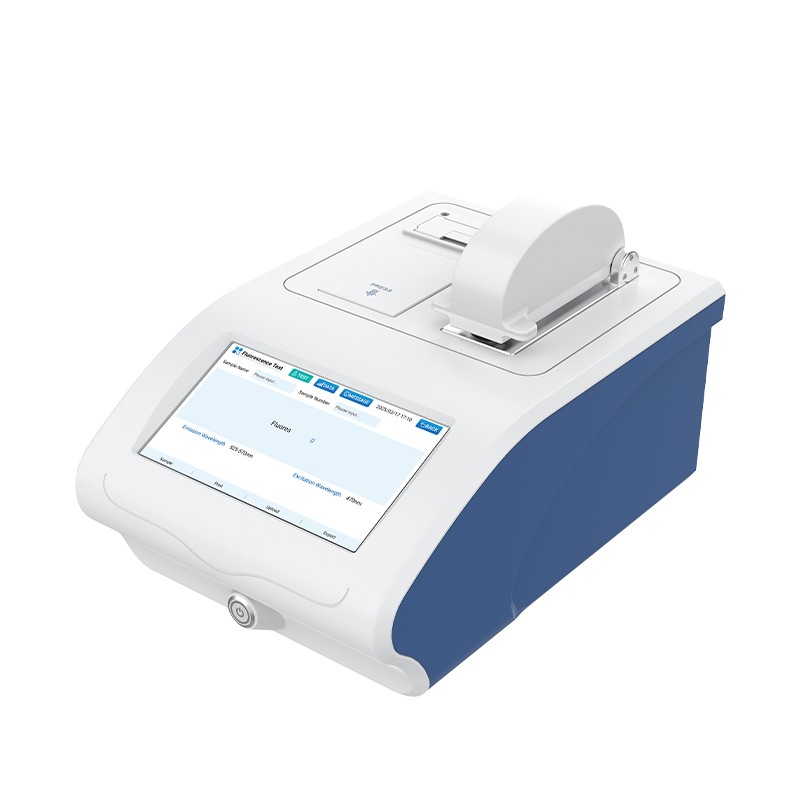
 +86 17853698681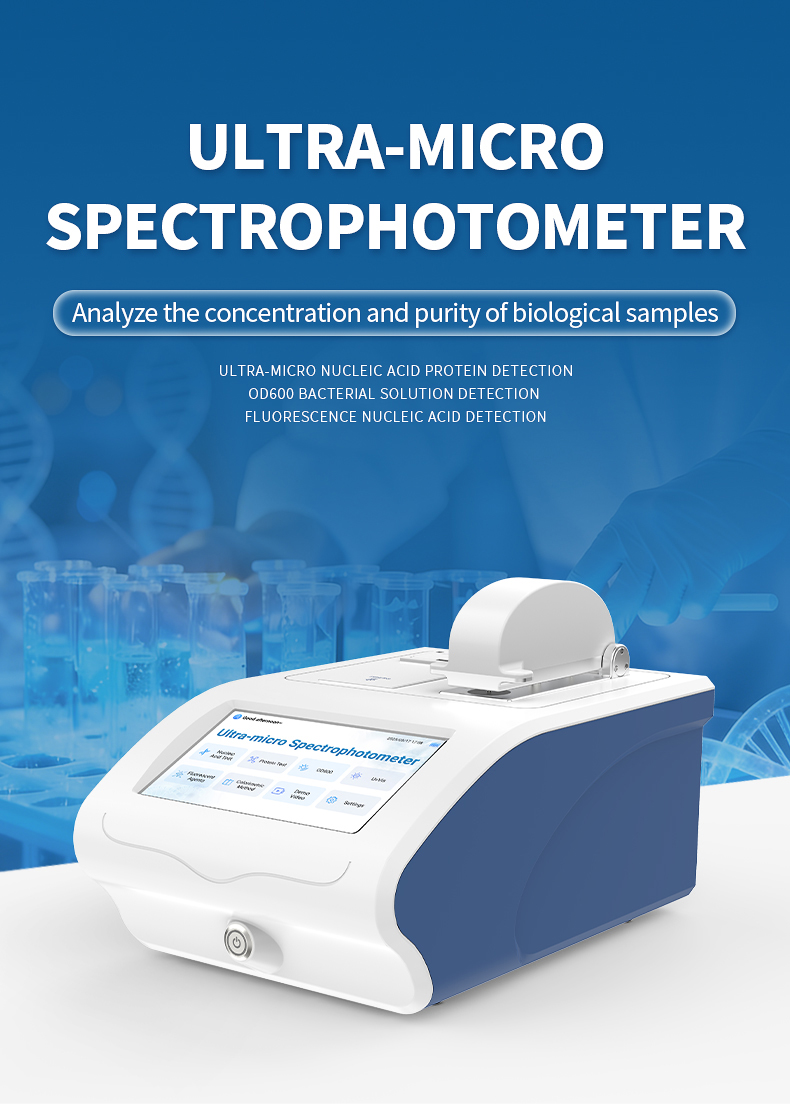

Product Introduction
Modern research and bioanalytical workflows rarely stay within the boundaries of a single measurement type. A genomics core facility handling NGS library preparation needs fluorescence quantification for accurate library loading, UV absorbance for routine DNA/RNA QC, OD600 for bacterial culture tracking during upstream cell growth, and colorimetric protein assays for expression system optimization. A biopharmaceutical QC lab running cell culture-based production needs the same spectrum of measurements — often in a single shift. The traditional answer is to maintain four separate instruments, each with its own calibration schedule, software, and bench footprint.
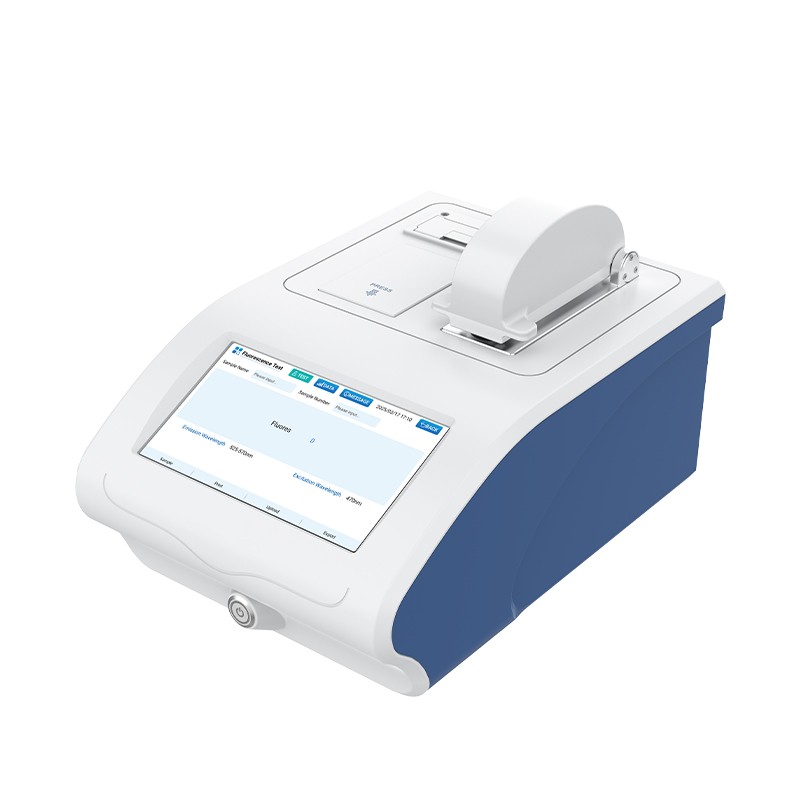
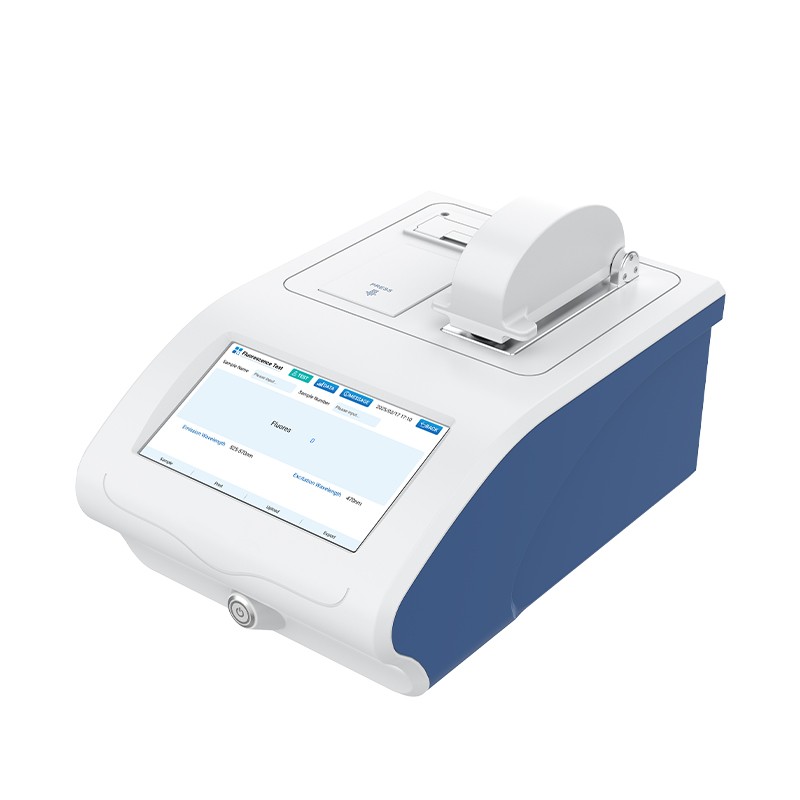
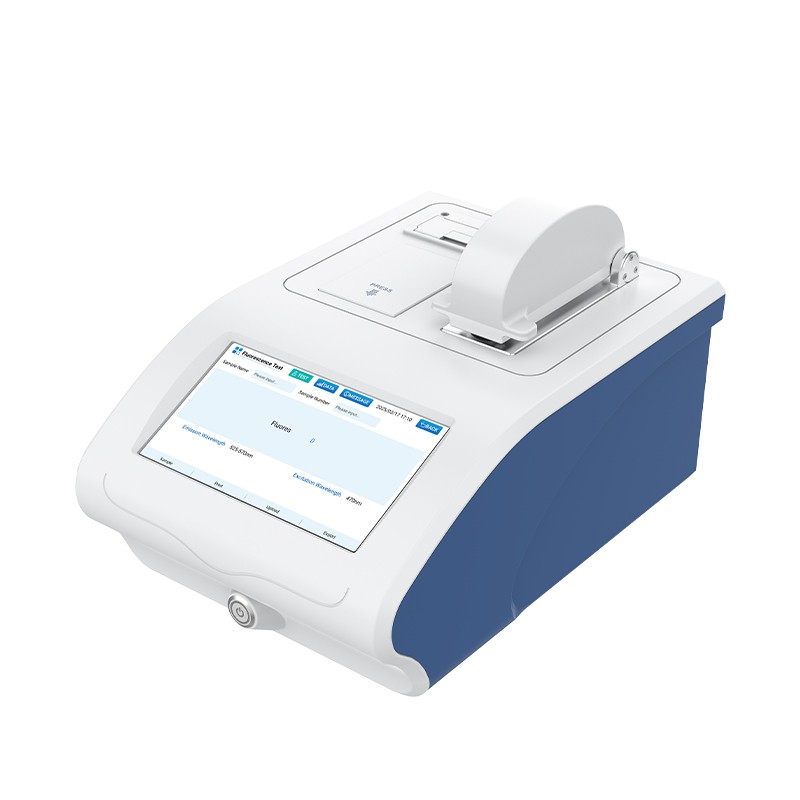
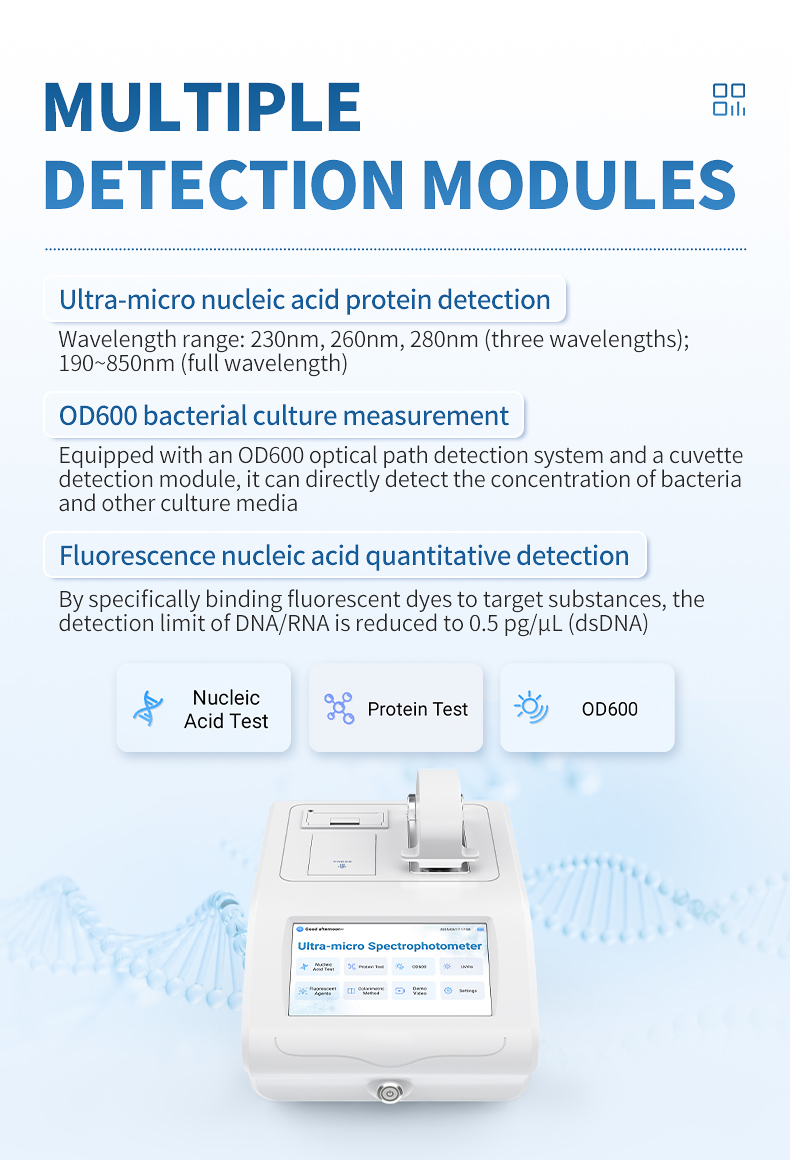
The HM-CWF4 replaces this multi-instrument setup with a single integrated platform. By combining 190–850 nm full-wavelength UV-Vis scanning, a 470 nm excitation fluorescence module (detection limit 0.5 pg/µL dsDNA, linearity R²>0.995), OD600 bacterial culture measurement, and colorimetric method capability, the HM-CWF4 covers every standard bioanalytical measurement mode in current molecular biology and genomics practice.
The fluorescence module is the capability that most often drives the choice of the CWF4 over the CWF3 for genomics applications. Next-generation sequencing libraries, low-input RNA samples, cfDNA from liquid biopsies, and single-cell preparations all require concentration measurements at levels where UV absorbance becomes unreliable — below 2 ng/µL, where free nucleotides, adapters, degraded fragments, and protein contamination produce absorb at 260 nm alongside the target nucleic acid. Fluorescent dye binding provides a signal specific to the target nucleic acid species, independent of these interferents, extending reliable quantification to the sub-picogram range.
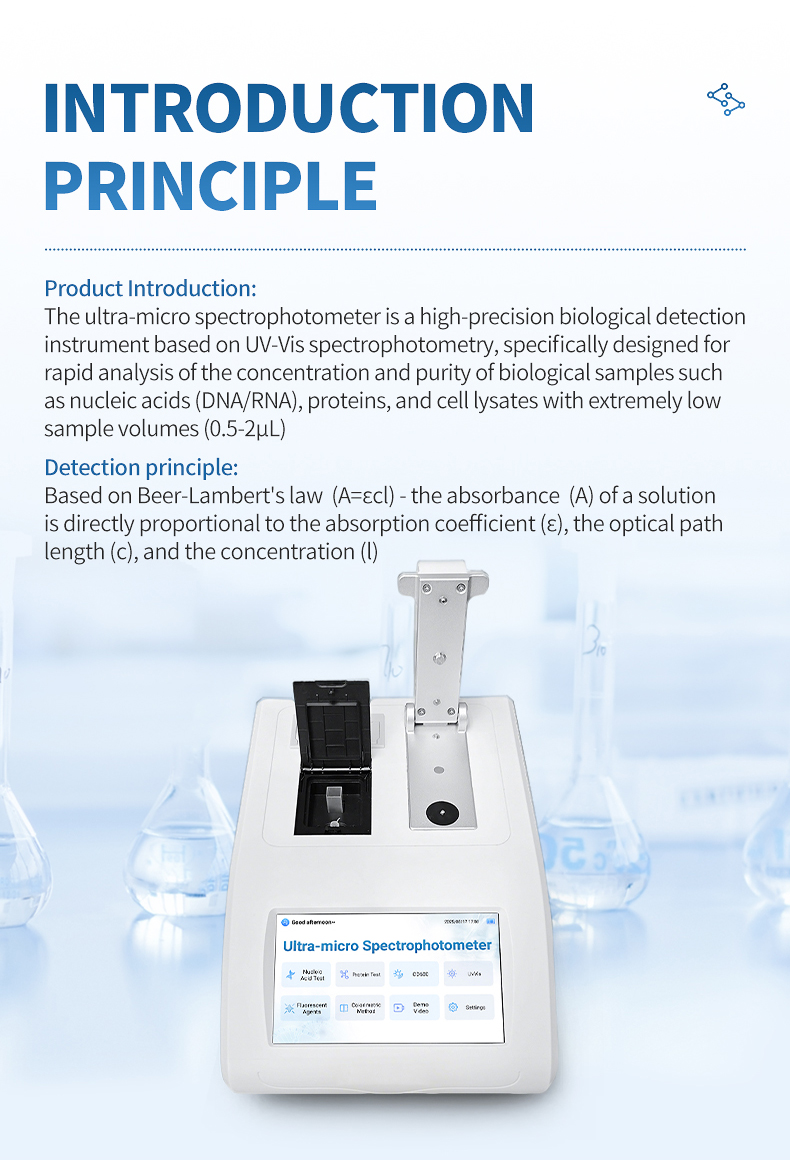
The full-wavelength scanning capability complements the fluorescence module by covering analytical protocols that neither UV-only nor fluorescence-only instruments can handle: BCA and Bradford colorimetric protein assays at 562 nm and 595 nm, enzyme activity assays at 340 nm (NADH/NADPH), wavelength-sweep characterization of unknown compounds, and custom colorimetric protocols for food safety or environmental testing. All of this runs on the same 0.5–2 µL, no-dilution, no-consumable liquid column surface tension platform, with the same three-light-path motor control system and UV-enhanced CMOS detector that deliver consistent photometric performance across all detection modes.
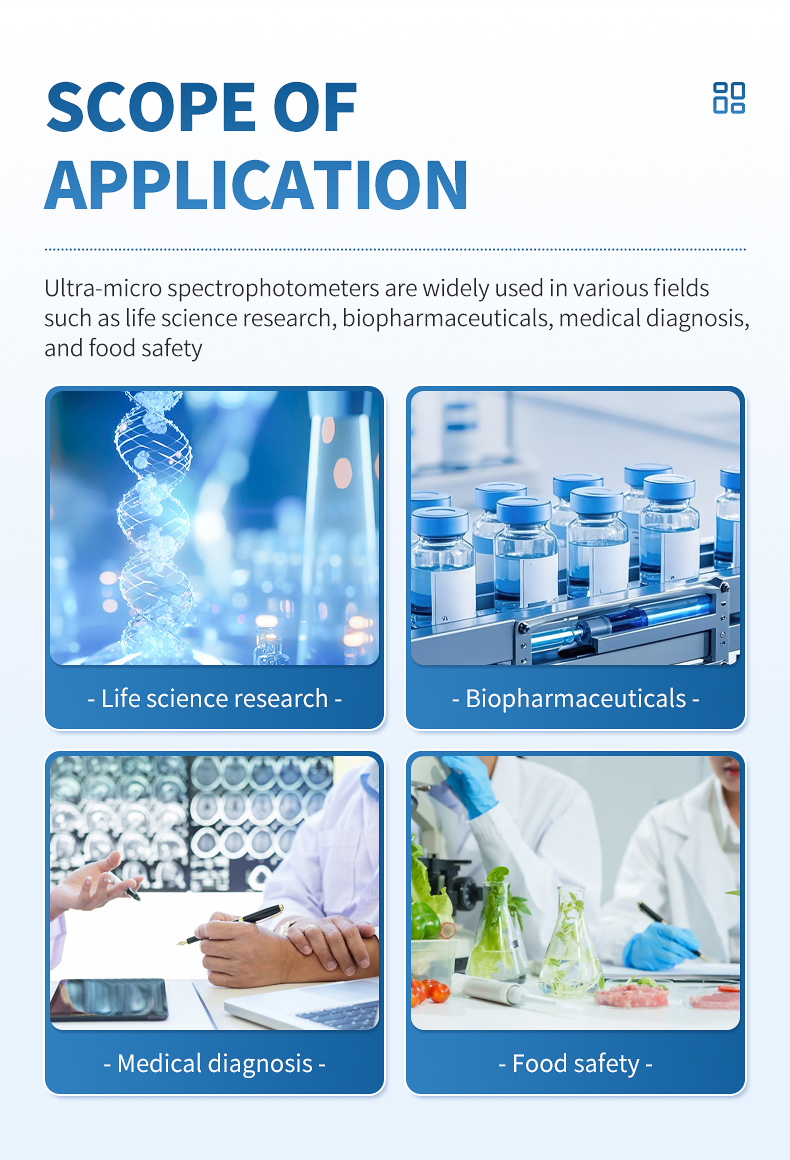
Applications
NGS library preparation — complete quantification workflow: UV absorbance for input nucleic acid QC → fluorescence for library concentration after adapter ligation → OD600 for bacterial culture monitoring during upstream preparation — all on one instrument, one data log.
Single-cell and low-input RNA-seq: Fluorescence quantification of RNA from 100–1000 cells (typically <1 ng/µL); UV purity ratios for quality gating; OD600 for upstream cell culture density control.
cfDNA quantification in liquid biopsy workflows: Plasma-derived cell-free DNA at 1–30 ng/mL requires fluorescence sensitivity; UV absorbance provides purity check; the same instrument is used for library QC steps.
Biopharmaceutical protein expression QC: OD600 for bacterial culture induction timing; UV for plasmid yield check after extraction; BCA/Bradford at 562/595 nm for recombinant protein yield; fluorescence for nucleic acid trace contamination in protein preparations.
CRISPR gene editing workflow support: Fluorescence quantification of guide RNA; UV for donor DNA yield; colorimetric assay for protein expression verification after editing.
Food safety multi-parameter testing: Colorimetric detection of nitrite (~540 nm), heavy metals (450–700 nm range), food dyes, and additives alongside nucleic acid contamination screening using UV.
Environmental monitoring: Colorimetric water quality testing (COD, nitrate, phosphate) combined with UV-based nucleic acid extraction QC for environmental DNA (eDNA) studies.
Multi-analyte research protocols: Any workflow requiring nucleic acid UV purity + fluorescence sensitivity + colorimetric protein or metabolite quantification + bacterial culture OD600 — consolidated on one platform without instrument switching or result transfer.
Key Features & Advantages
Four measurement modes in one instrument — the only CWF model with this combination: Full-wavelength UV-Vis (190–850 nm) + fluorescence (470 nm) + OD600 + colorimetric method. No other model in the series offers all four. This is the consolidation argument: one instrument, four instruments' worth of capability.
Fluorescence module — detection limit 0.5 pg/µL dsDNA (470 nm excitation): Extends nucleic acid quantification below the UV absorbance detection floor. Critical for NGS library QC, cfDNA, single-cell genomics, and low-input RNA applications. Linearity R²>0.995, repeatability <1.5%, stability <1.5%.
Full wavelength range 190–850 nm with UV-Vis scanning and colorimetric method: Enables BCA (562 nm), Bradford (595 nm), enzyme kinetics (340 nm), spectral characterization, and custom wavelength protocols alongside standard nucleic acid measurement — the complete analytical toolkit for a multi-disciplinary lab.
OD600 bacterial culture module with dedicated cuvette pathway: OD600 absorbance range 0–4 Abs, stability ≤1%, repeatability ≤1%. Covers the upstream culture monitoring step in expression workflows without an additional instrument.
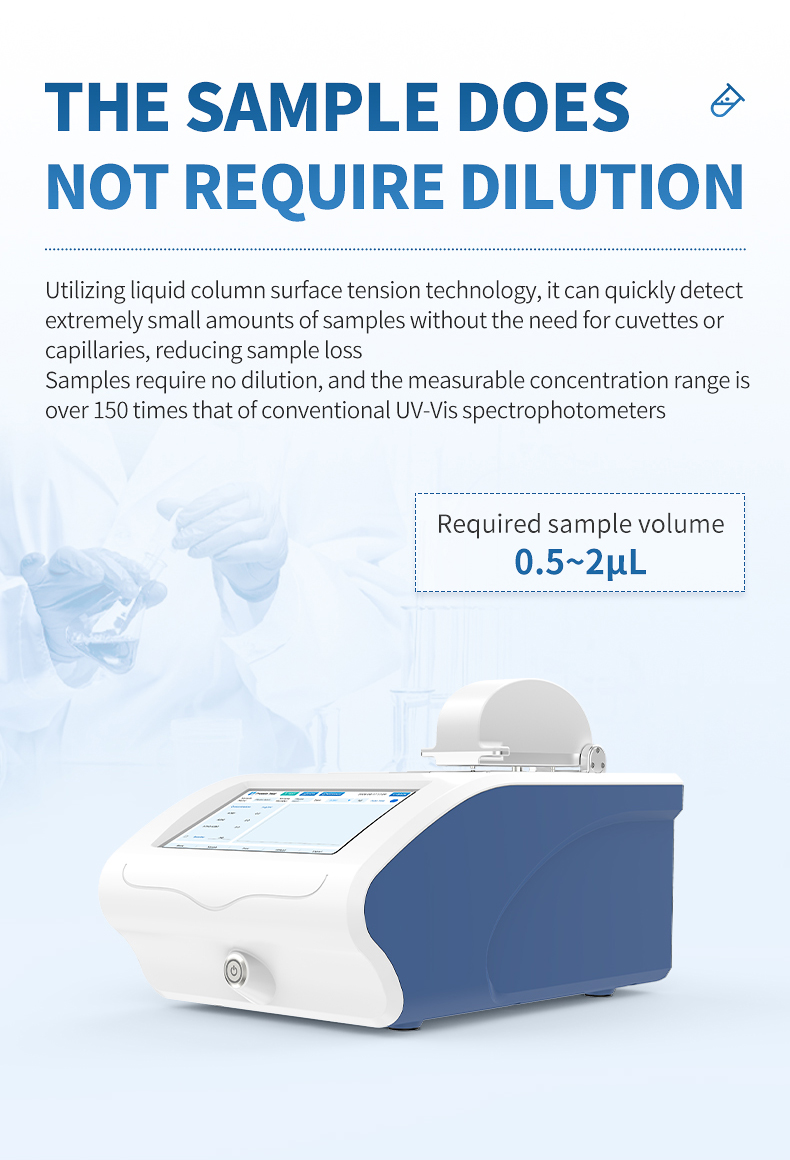
No-dilution, no-consumable 0.5–2 µL platform for all detection modes: The liquid column surface tension mechanism applies to UV absorbance, fluorescence, and colorimetric measurements alike. Sample recovery by pipette protects library material and reduces reagent consumption.
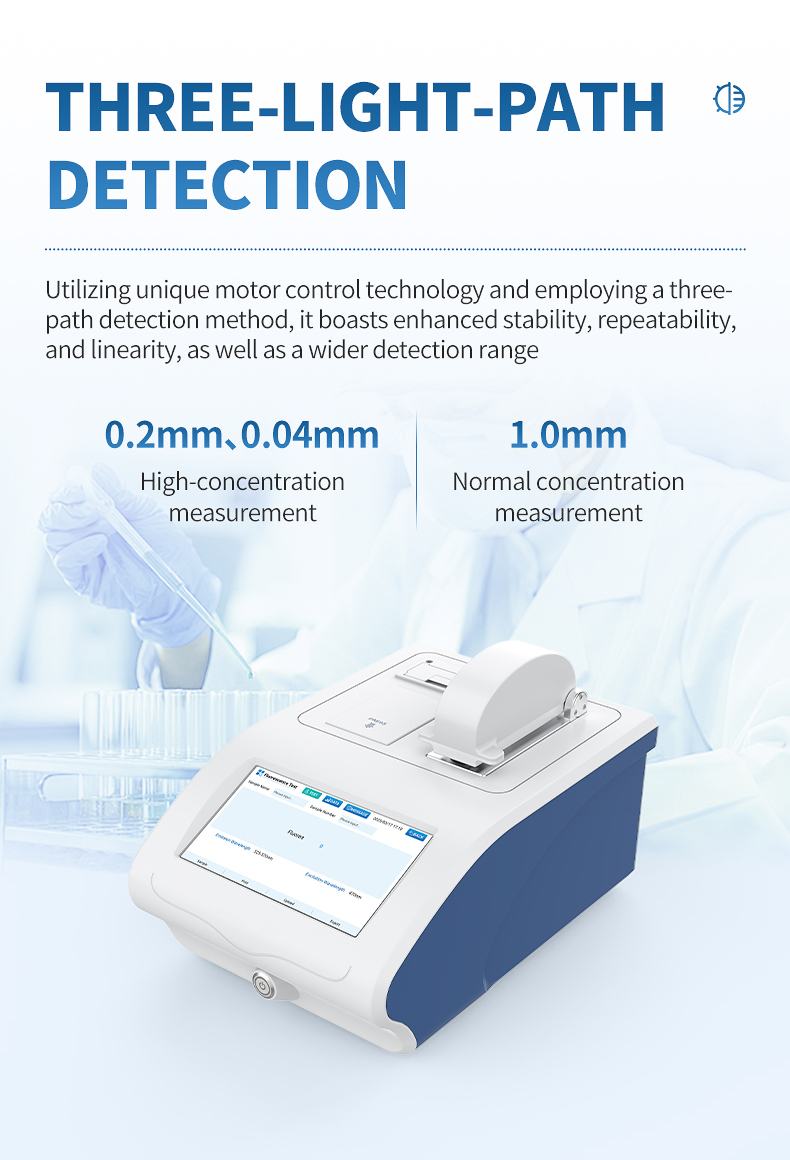
Three-light-path automatic switching (0.04 / 0.2 / 1.0 mm) across the full spectrum: Covers 0.04–300 A equivalent absorbance range at every wavelength within 190–850 nm; eliminates the need for dilution even for concentrated samples measured at custom wavelengths.
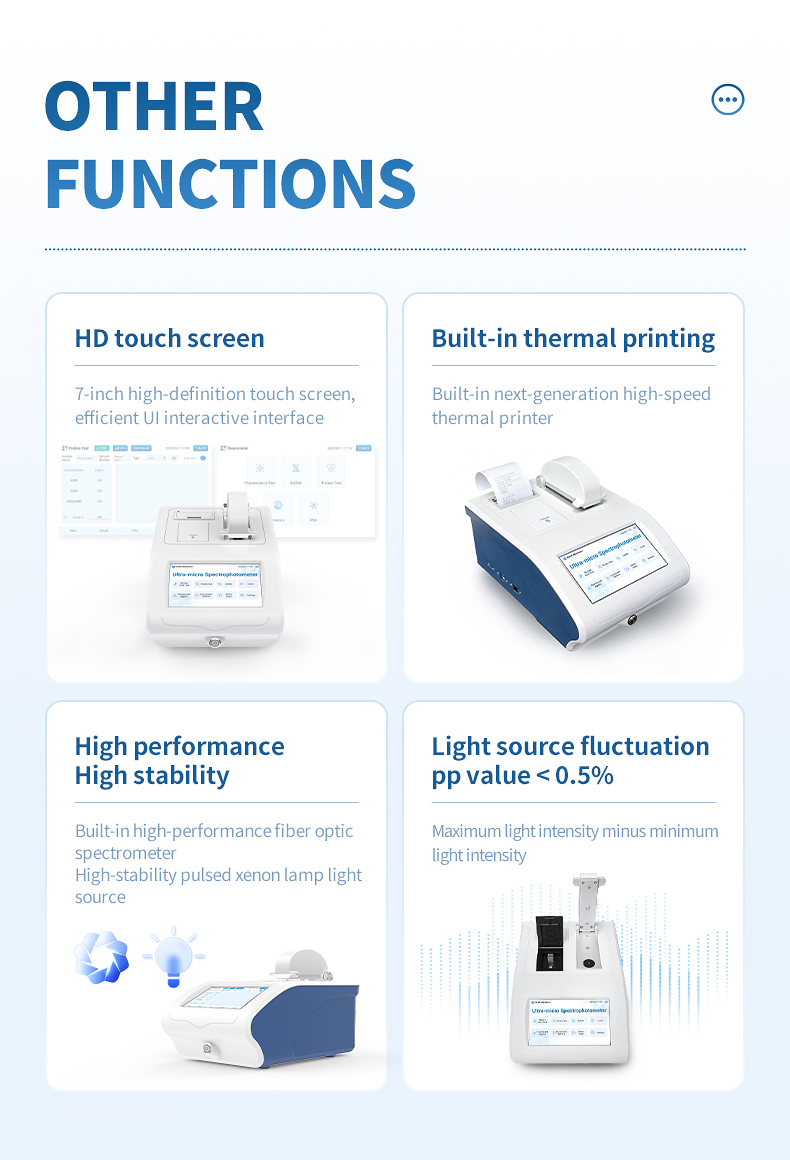
High-stability pulsed xenon lamp (PP value <0.5%) for both UV and fluorescence excitation: Consistent broadband output ensures that switching between UV and fluorescence measurement modes within a session does not introduce lamp-related baseline variability.
UV-enhanced CMOS linear array detector: Absorbance precision 0.003 Abs, accuracy ±2% (0.76 Abs @ 260 nm); covers UV through visible with high uniformity, ensuring all measurement modes benefit from the same detector performance.
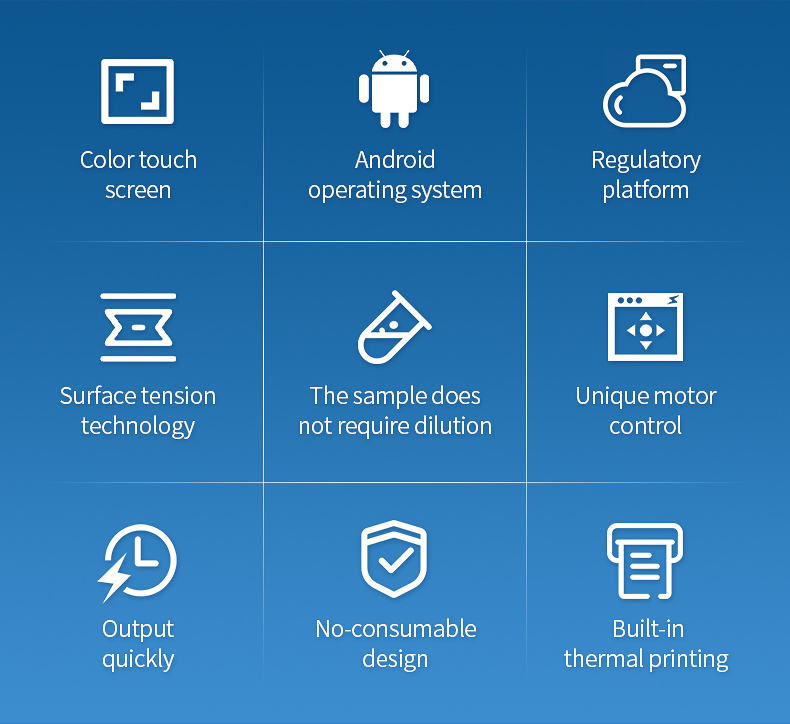
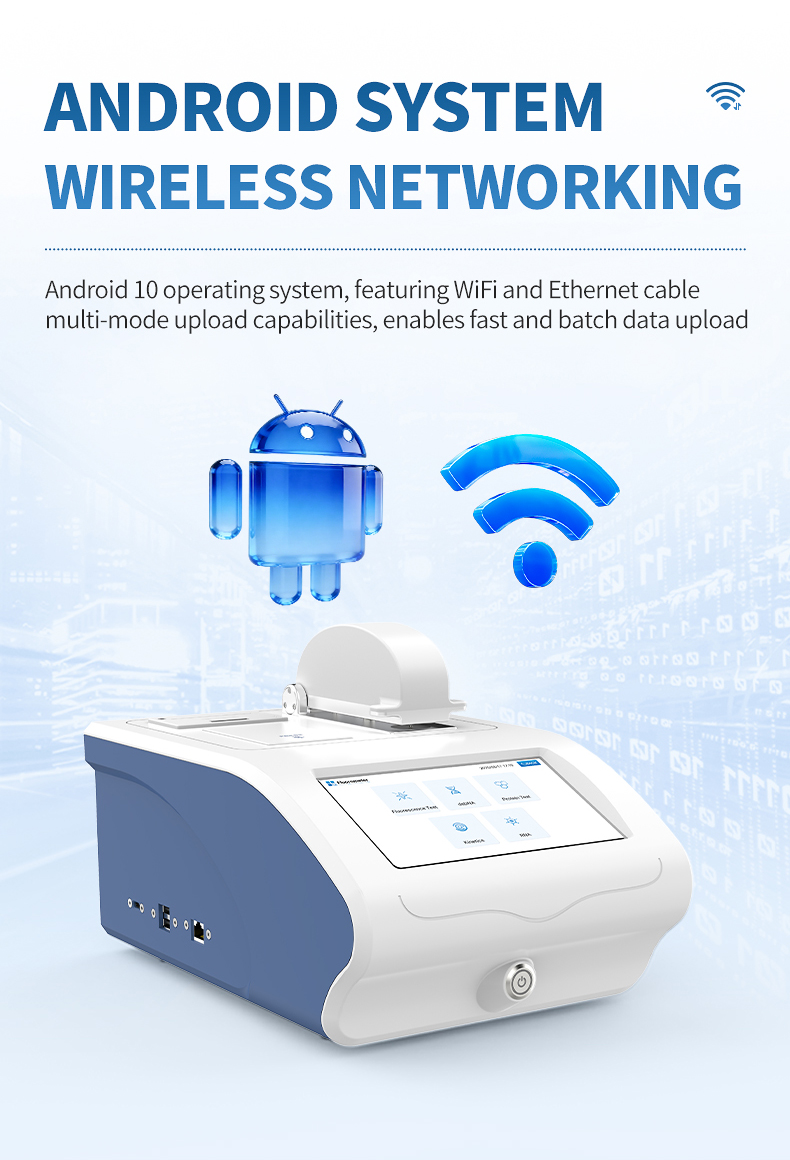
Android 10, 7-inch HD touchscreen — all measurement modes accessible from the home screen: Fluorescence Test, Nucleic Acid Test, Protein Test, OD600, UV-Vis, and Colorimetric Method are all visible on the home screen; switching between modes during a multi-step workflow requires a single tap.
Unified data management for all four measurement types: Results from UV, fluorescence, OD600, and colorimetric measurements are stored in a single database (10,000–100,000 records), eliminating the fragmented data management that comes with operating multiple instruments for the same experiment.
Wi-Fi, Ethernet, USB export, and over-the-air software updates: Connects to LIMS, cloud storage platforms, and institution IT infrastructure; firmware updates are delivered remotely, maintaining instrument currency without manual service visits.
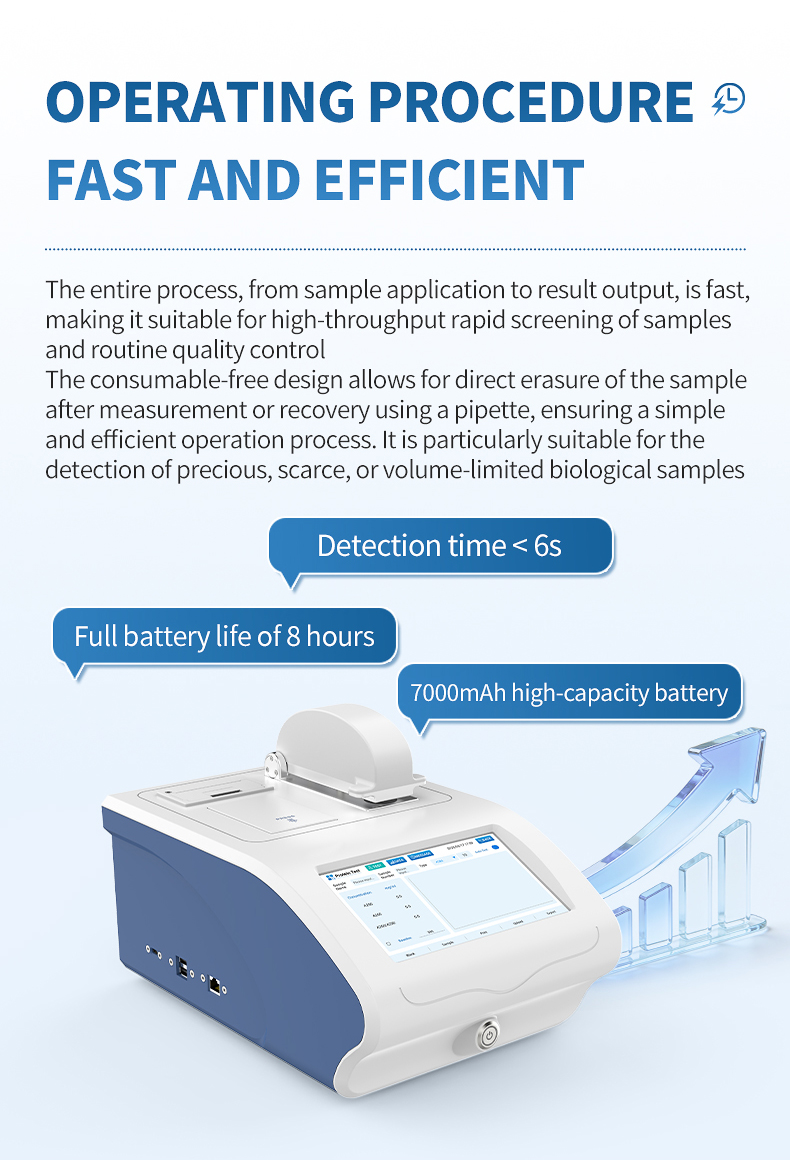
7000 mAh battery (21.6 V), 8-hour runtime: Enables deployment in locations without dedicated power access — biosafety cabinets, fume hoods, shared benches, or remote field stations — with full four-mode measurement capability throughout.
Technical Specifications
| Parameter | Specification |
|---|---|
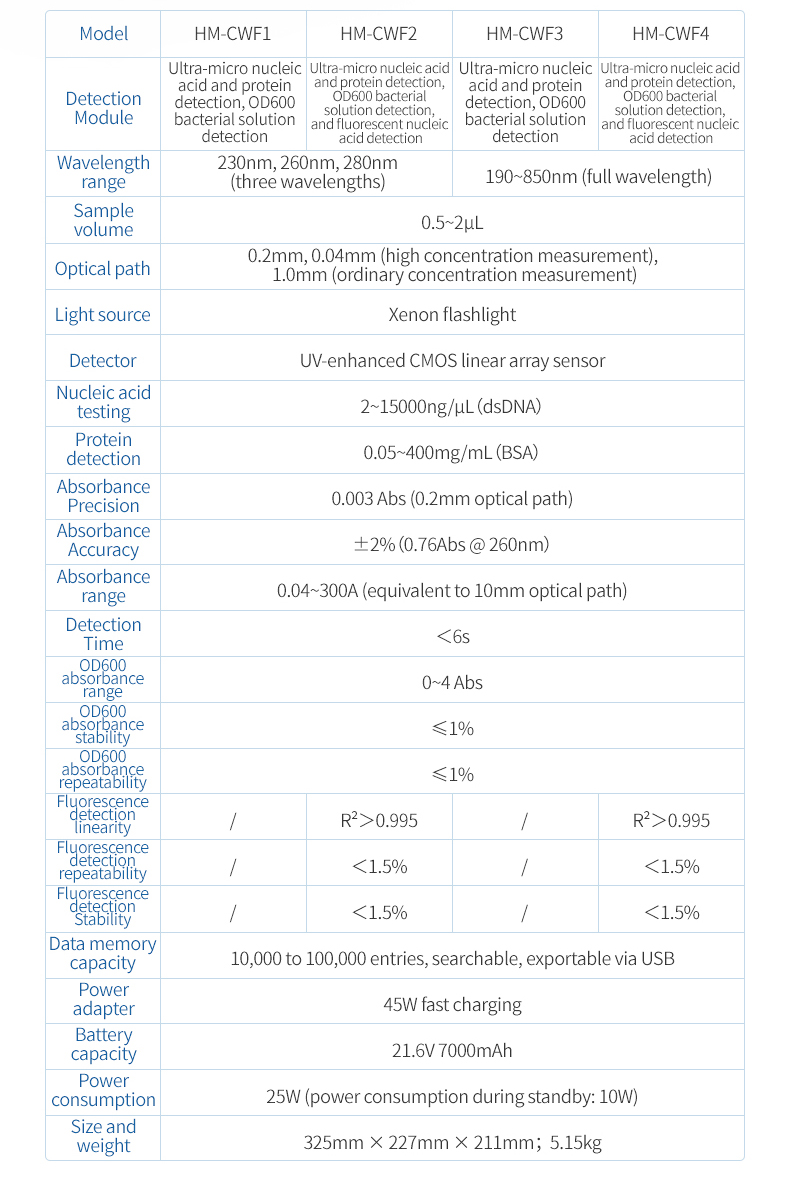
| Model | HM-CWF4 |
| Detection Module | Ultra-micro nucleic acid & protein detection, OD600 bacterial solution detection, fluorescent nucleic acid detection, UV-Vis full-wavelength scanning, colorimetric method |
| Wavelength Range | 190–850 nm (full wavelength) |
| Fluorescence Excitation Wavelength | 470 nm |
| Sample Volume | 0.5–2 µL |
| Optical Path | 0.2 mm, 0.04 mm (high concentration); 1.0 mm (standard concentration) |
| Light Source | Xenon flashlight (pulsed xenon lamp) |
| Detector | UV-enhanced CMOS linear array sensor |
| Nucleic Acid Testing Range | 2–15,000 ng/µL (dsDNA) by UV; down to 0.5 pg/µL by fluorescence |
| Protein Detection Range | 0.05–400 mg/mL (BSA) |
| Absorbance Precision | 0.003 Abs (0.2 mm optical path) |
| Absorbance Accuracy | ±2% (0.76 Abs @ 260 nm) |
| Absorbance Range | 0.04–300 A (equivalent to 10 mm optical path) |
| Detection Time | <6 s |
| OD600 Absorbance Range | 0–4 Abs |
| OD600 Absorbance Stability | ≤1% |
| OD600 Absorbance Repeatability | ≤1% |
| Fluorescence Detection Linearity | R²>0.995 |
| Fluorescence Detection Repeatability | <1.5% |
| Fluorescence Detection Stability | <1.5% |
| Operating System | Android 10 |
| Display | 7-inch HD color touchscreen |
| Connectivity | Wi-Fi, Ethernet, USB |
| Data Storage | 10,000–100,000 entries, searchable, exportable via USB |
| Power Adapter | 45 W fast charging |
| Battery Capacity | 21.6 V / 7000 mAh |
| Power Consumption | 25 W (standby: 10 W) |
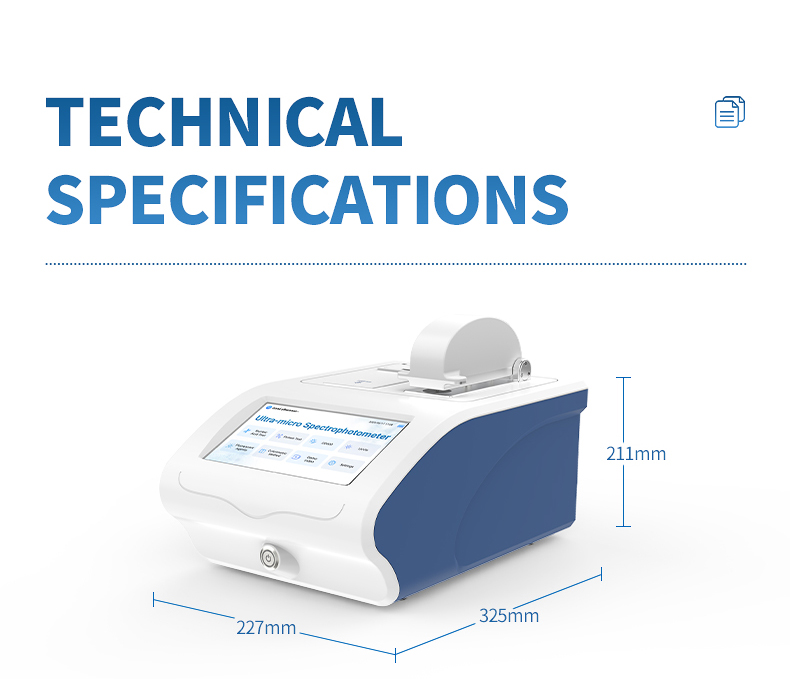
| Size & Weight | 325 mm × 227 mm × 211 mm; 5.15 kg |
FAQ
Q1: What is the practical workflow advantage of having all four measurement modes on the HM-CWF4 compared to using separate instruments?
A: In a typical NGS library preparation workflow, a researcher needs to: (1) check input DNA/RNA by UV absorbance (A260/A280, A260/A230) before library construction; (2) quantify the final library by fluorescence after adapter ligation (UV overestimates due to adapters); (3) monitor bacterial culture by OD600 if the workflow involves plasmid amplification or competent cell preparation; (4) run a BCA or Bradford protein assay at 562/595 nm if quantifying enzyme inputs. With four separate instruments, results are in four separate data files, requiring manual consolidation. With the HM-CWF4, all results are in one data log, all modes are on the same home screen, and the operator never leaves the instrument station. The reduction in sample handling steps also directly reduces the risk of sample loss at each transfer step.
Q2: How does the HM-CWF4 fluorescence module performance compare to dedicated fluorometers for NGS library quantification?
A: The HM-CWF4 fluorescence module operates with a fixed 470 nm excitation wavelength and achieves a detection limit of 0.5 pg/µL dsDNA with linearity R²>0.995, repeatability <1.5%, and stability <1.5%. These performance specifications are comparable to standard bench-top fluorometers used for routine NGS library QC. For most research lab environments running standard library preparation protocols, the HM-CWF4 fluorescence performance is sufficient. High-throughput core facilities with strict inter-sample loading precision requirements may additionally use qPCR as an orthogonal quantification method alongside fluorescence measurement.
Q3: Can the HM-CWF4 be used for cfDNA and liquid biopsy applications, and what are the relevant performance specifications?
A: Cell-free DNA (cfDNA) from plasma is typically present at 1–30 ng/mL, which after concentration by extraction may still be below the UV absorbance detection limit in micro-volume format. The HM-CWF4 fluorescence module, with its 0.5 pg/µL detection limit, provides reliable concentration measurements at cfDNA concentrations that are impractical to measure by UV absorbance. The full-wavelength UV capability is still used for extract purity assessment (A260/A280 ratio) and for library QC steps at higher concentrations after amplification. The combination of both measurement modes on one instrument is particularly relevant for liquid biopsy workflows where sample volume is limited and every µL matters.
Q4: How does the HM-CWF4 handle multi-step biopharmaceutical workflows that involve cells, proteins, and nucleic acids in the same production run?
A: The HM-CWF4 directly covers the measurement needs at each step of a typical biopharmaceutical upstream process: OD600 for cell culture density monitoring (induction timing, growth rate calculation), UV nucleic acid for plasmid or viral vector yield QC after extraction, colorimetric protein assays (BCA at 562 nm, Bradford at 595 nm) for recombinant protein quantification, and fluorescence nucleic acid for detecting trace DNA contamination in protein drug substance preparations. Having all four modes in a single networked instrument simplifies batch documentation and data integrity management for regulated environments by maintaining a complete audit trail from one device.
Q5: What distinguishes the HM-CWF4 from the HM-CWF3, and how should labs choose between them?
A: The HM-CWF3 and HM-CWF4 share the same full-wavelength UV-Vis capability (190–850 nm), OD600 module, and colorimetric method support. The single difference is the fluorescence module: the CWF4 includes a 470 nm excitation fluorescence channel; the CWF3 does not. Choose the CWF3 if your laboratory's nucleic acid quantification concentration is consistently above 2 ng/µL (where UV absorbance is sufficient), you have no requirement for fluorescent dye-based nucleic acid assays, and cost is a consideration. Choose the CWF4 if any workflow involves samples below 2 ng/µL, NGS library quantification after adapter ligation, cfDNA, or single-cell applications — or if you want to future-proof the instrument for workflows that may require fluorescence capability as project scope expands.
Q6: Is the HM-CWF4 suitable for teaching and training environments, or is it primarily a research-grade instrument?
A: The HM-CWF4 is appropriate for advanced teaching and training environments — graduate-level molecular biology courses, research methods training programs, and genomics workshop settings — where students benefit from exposure to the full range of standard bioanalytical measurement methods on a single platform. The Android 10 touchscreen interface with discrete app modules for each measurement type lowers the learning curve compared to instruments with complex menu navigation. The no-consumable design eliminates per-measurement reagent costs for the UV and OD600 modes, which is practical for high-throughput student training. For teaching environments with a primary need for basic UV nucleic acid and protein quantification without fluorescence requirements, the HM-CWF1 or CWF3 would be more cost-appropriate.
Q7: How does the data management system on the HM-CWF4 support multi-user laboratory environments?
A: The HM-CWF4 stores up to 100,000 records with sample ID, measurement type, date/time, operator-defined fields, and full numerical results. The searchable database allows retrieval by any of these parameters directly from the touchscreen, making it practical for shared instruments used by multiple researchers. Results from all four measurement modes are stored in the same database with mode-specific labels. Data can be exported via USB as structured files, uploaded via Wi-Fi or Ethernet to shared storage or LIMS platforms, or printed directly via the built-in thermal printer. For formal multi-user data management in regulated environments, integration with institutional LIMS through the USB export function is the standard approach.
Address of this article:https://labinstruments.net/pro2/complete-bioanalysis-spectrophotometer-fluorescence-cwf4.html