

 Current
location:
Current
location: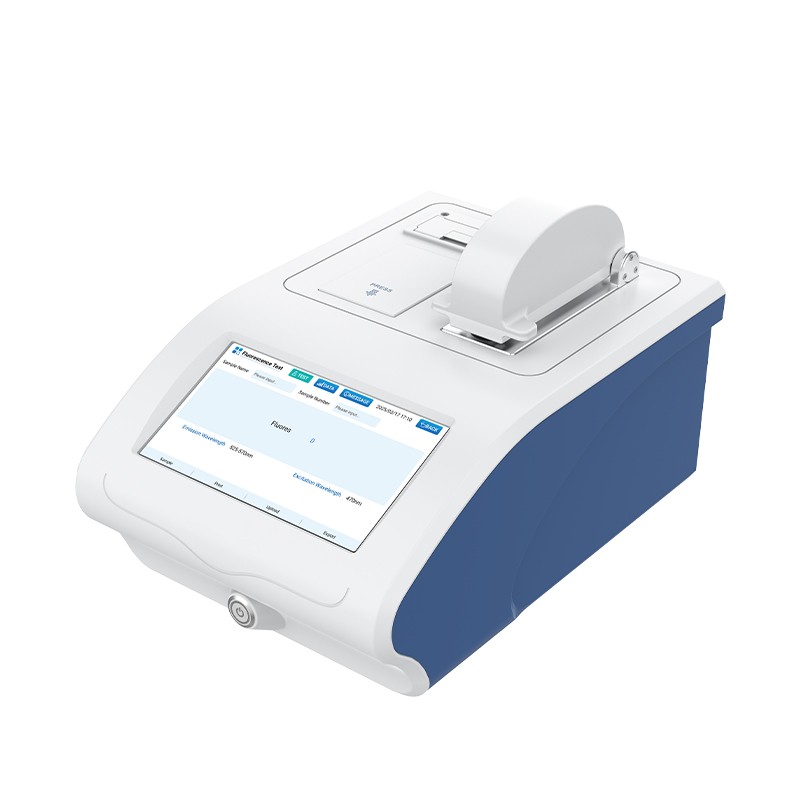
 +86 17853698681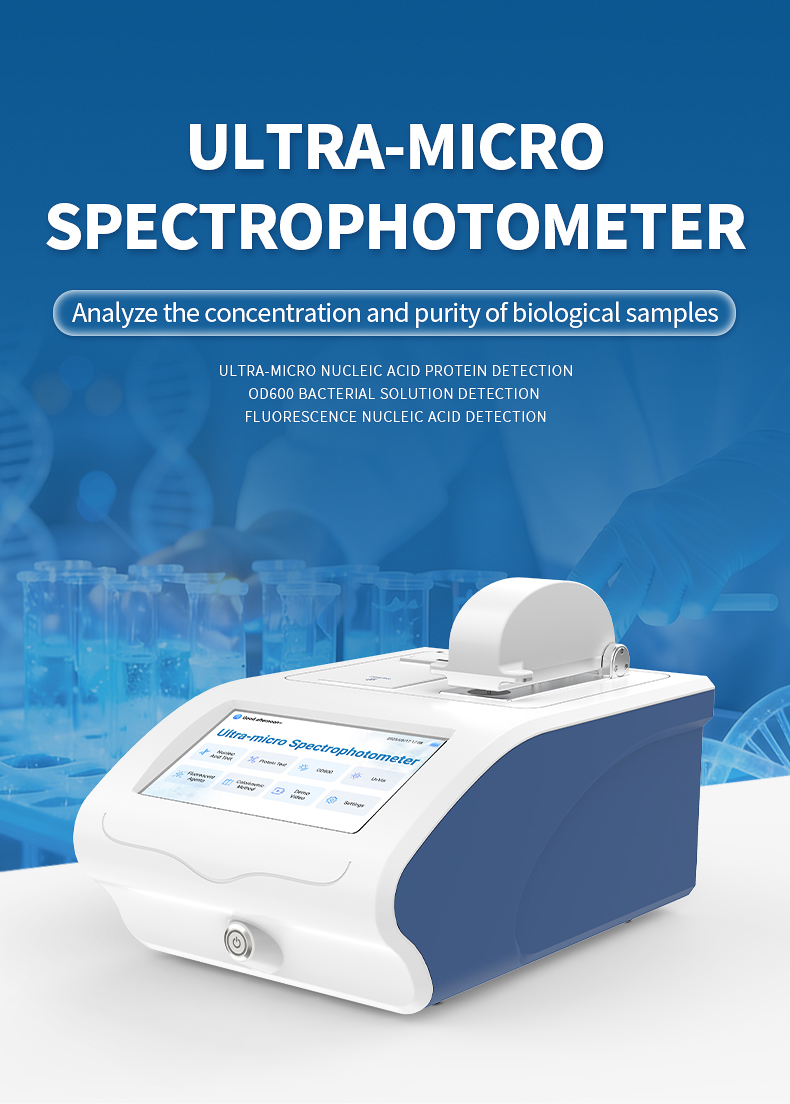




Product Introduction
The challenge of accurate nucleic acid quantification has two distinct dimensions in modern molecular biology and genomics workflows. For most routine work — DNA extraction quality checks, PCR template preparation, plasmid yield verification — the UV absorbance method at 260 nm provides sufficient sensitivity and speed. However, a growing set of applications consistently pushes samples below the detection threshold of UV-based methods: next-generation sequencing library preparation, low-input RNA-seq, single-cell or cell-free DNA workflows, and highly purified samples diluted below 2 ng/µL.
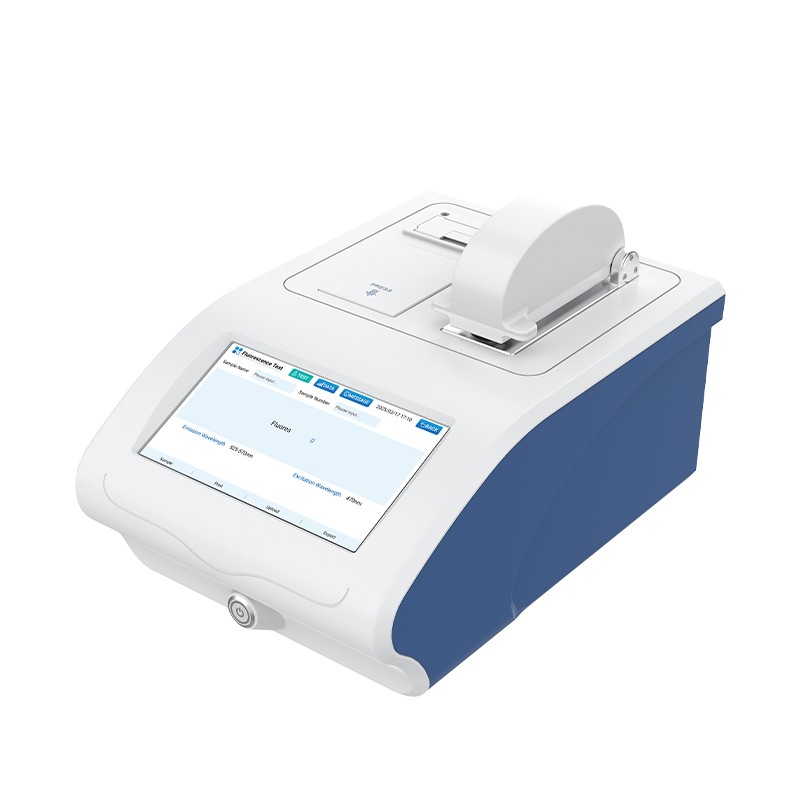
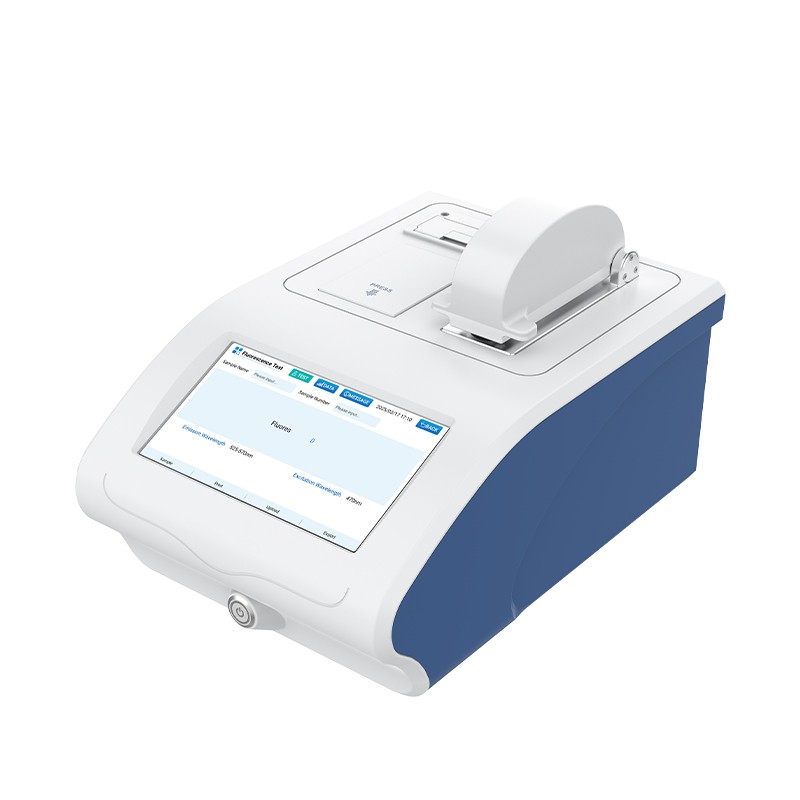
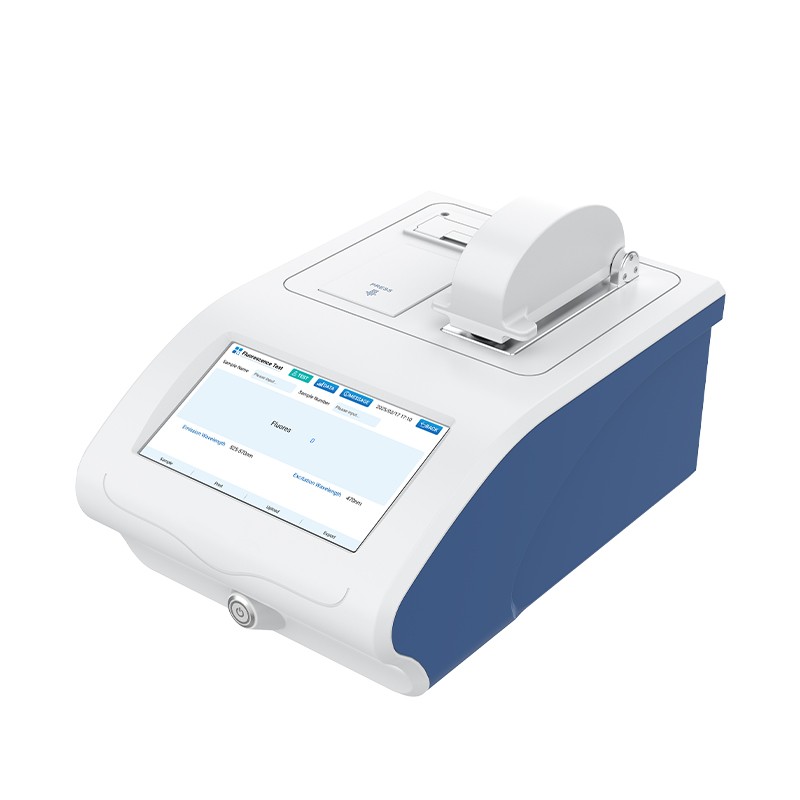
In these scenarios, fluorescence-based nucleic acid quantification is not optional — it is the scientifically correct approach. Fluorescent dyes intercalate specifically into double-stranded DNA or bind specifically to RNA, producing a signal proportional to the target nucleic acid concentration regardless of the presence of free nucleotides, degraded fragments, or protein contamination that would elevate an A260 reading. The HM-CWF2 builds this fluorescence capability directly into a micro-volume spectrophotometer platform, eliminating the need to maintain a separate fluorometer while retaining full UV absorbance functionality for the majority of daily tasks.
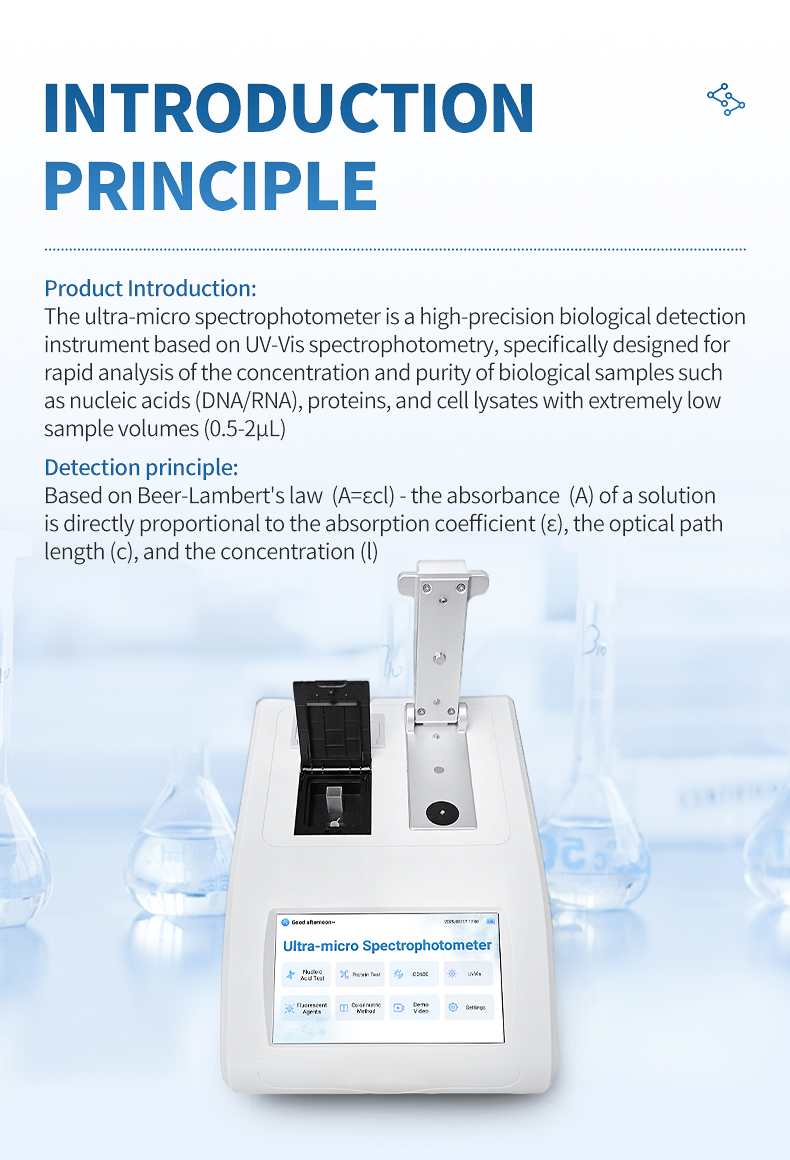
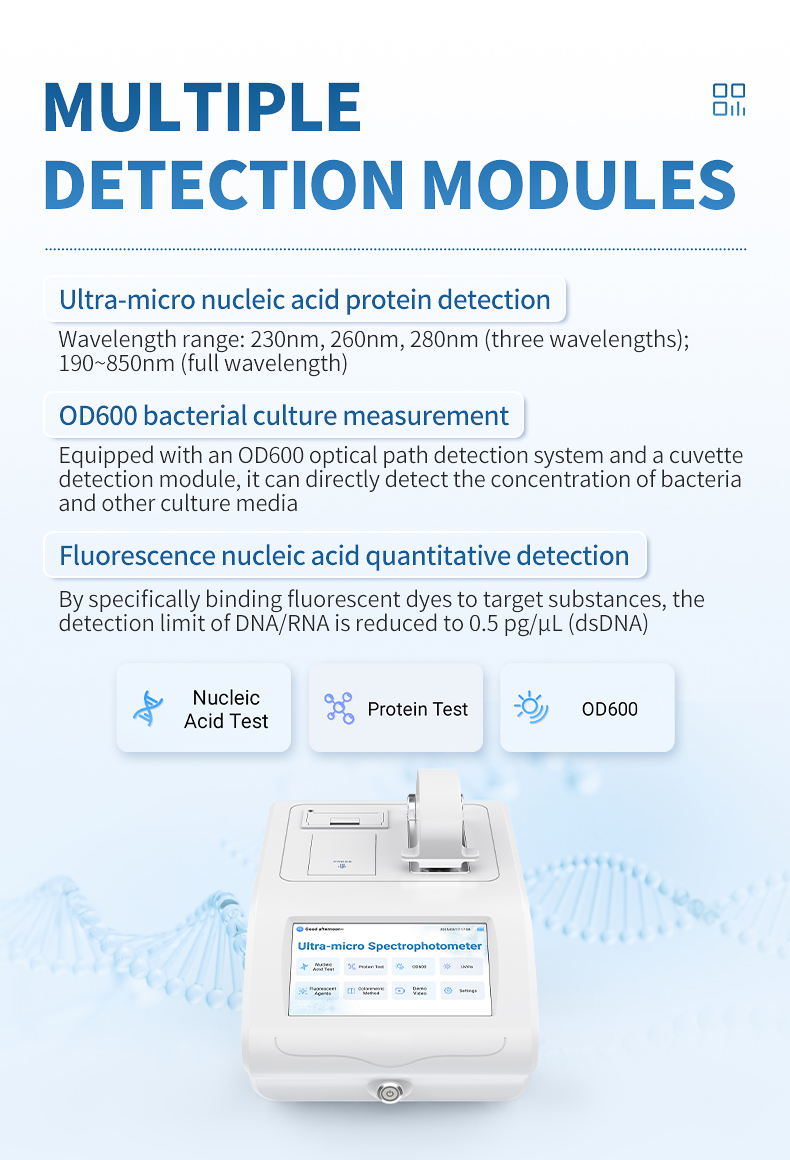
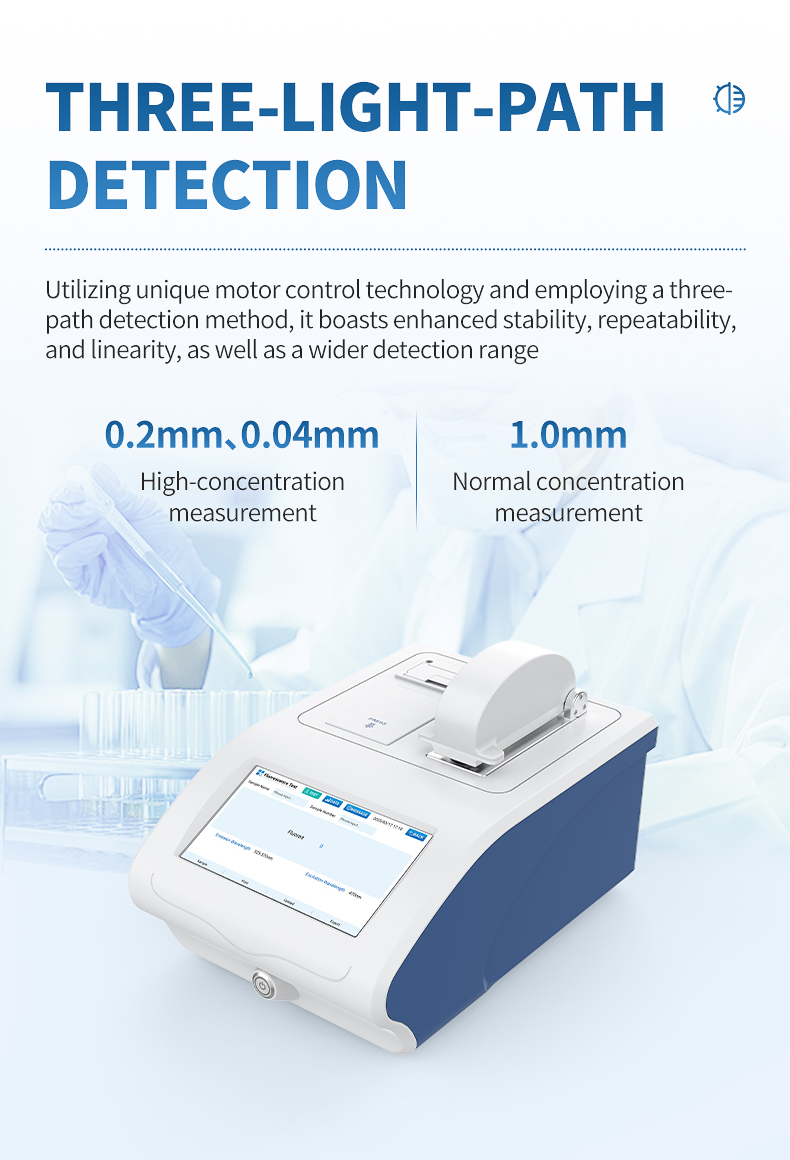
The integrated 470 nm excitation module achieves a fluorescence detection linearity of R²>0.995, repeatability <1.5%, and stability <1.5%. Combined with the standard three-wavelength UV channels (230/260/280 nm), OD600 bacterial culture module, three-light-path detection system (0.04 / 0.2 / 1.0 mm), and the no-consumable liquid column surface tension sample platform, the HM-CWF2 delivers a genuinely unified measurement environment. The Android 10 touchscreen interface presents Nucleic Acid Test, Fluorescence Test, Protein Test, OD600, and UV-Vis modes on the home screen — each optimized for its measurement type without requiring the user to switch instruments, manage dye kits on a separate device, or manually transfer results between systems.
For genomics core facilities, biopharmaceutical QC labs, and research groups running high-value sequencing experiments, the HM-CWF2 offers a practical consolidation of three instruments (UV spectrophotometer, fluorometer, bacterial OD meter) into a single, battery-powered, networked bench-top device.
Applications
NGS library quantification before sequencing: Fluorescence-based measurement of adapter-ligated libraries provides accurate molarity estimates for cluster generation; UV absorbance at 260 nm overestimates library concentration due to adapters and free nucleotides.
Low-input RNA-seq and single-cell RNA workflows: Total RNA or mRNA from small cell numbers (100–1000 cells) typically yields <1 ng/µL after extraction — below the practical UV detection range; fluorescence dye binding provides accurate readings at these concentrations.
cfDNA (cell-free DNA) quantification in liquid biopsy: Plasma-derived cfDNA is typically present at 1–30 ng/mL, requiring fluorescence sensitivity for reliable quantification prior to library preparation.
CRISPR and gene editing workflow verification: Confirm guide RNA concentration and PCR amplicon yield for editing efficiency experiments where sample amounts are limited.
Contamination discrimination for UV-unreliable samples: When A260/A280 ratios fall outside expected ranges due to RNA/DNA co-extraction or reagent carryover, fluorescence measurement provides an independent concentration estimate for the target nucleic acid species.
Protein concentration measurement (UV + colorimetric): UV absorbance at 280 nm for pure protein solutions; use as cross-check against fluorescence-based protein assays for antibody or enzyme quantification.
Bacterial culture OD600 monitoring during recombinant protein expression: Track E. coli or Bacillus culture density to optimize IPTG induction timing and maximize recombinant protein yield.
Key Features & Advantages
470 nm excitation fluorescence module — detection limit 0.5 pg/µL dsDNA: Specifically targets the quantification gap below 2 ng/µL where UV absorbance is unreliable. Fluorescence linearity R²>0.995 ensures accurate concentration values across the dynamic range of fluorescent dye assays.
Dual-mode UV + fluorescence on one micro-volume platform: A single instrument replaces both a UV spectrophotometer and a standalone fluorometer. Switch between UV and fluorescence modes within the same Android interface — no instrument change, no result transfer, no reagent kit on a second device.
Three fixed UV wavelengths (230/260/280 nm) + OD600: Complete standard nucleic acid and protein UV measurement toolkit alongside fluorescence — the HM-CWF2 does not sacrifice UV capability to gain fluorescence sensitivity.
Fluorescence repeatability <1.5%, stability <1.5%: Consistent fluorescence readings across replicate measurements and over extended use, critical for reproducible NGS library quantification where small concentration errors translate to loading variability on the sequencer.
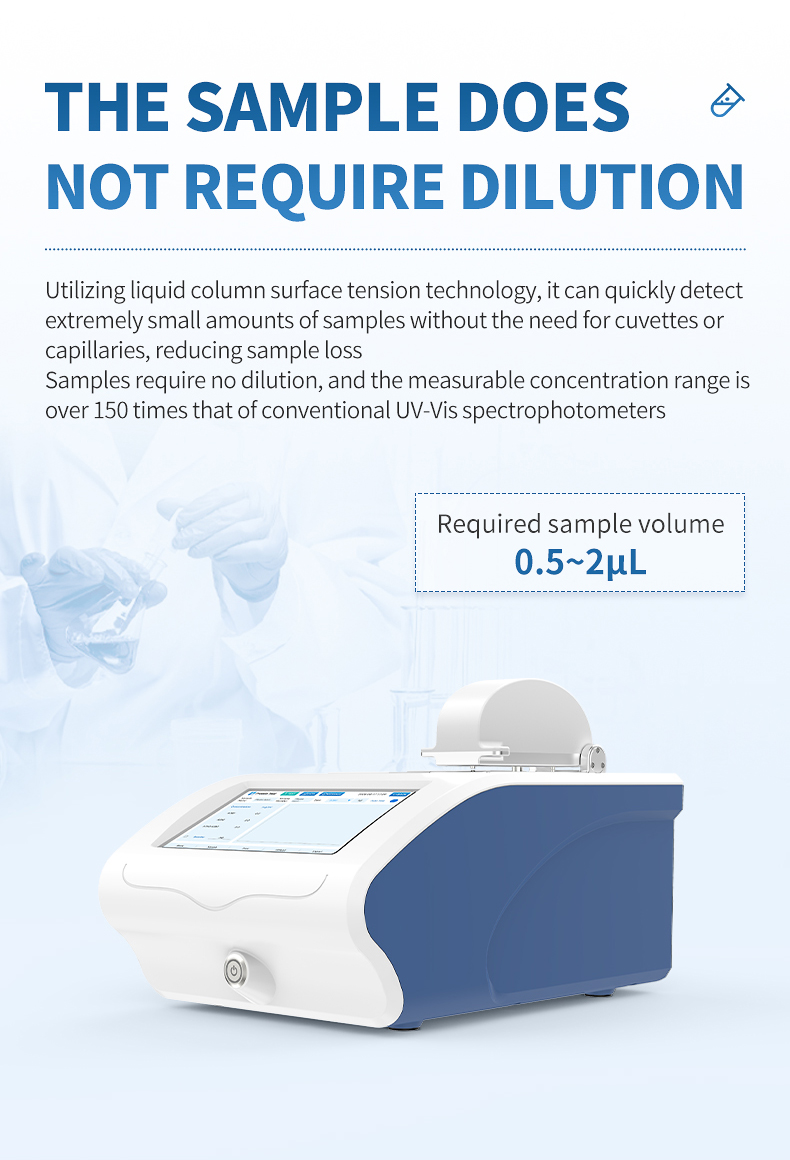
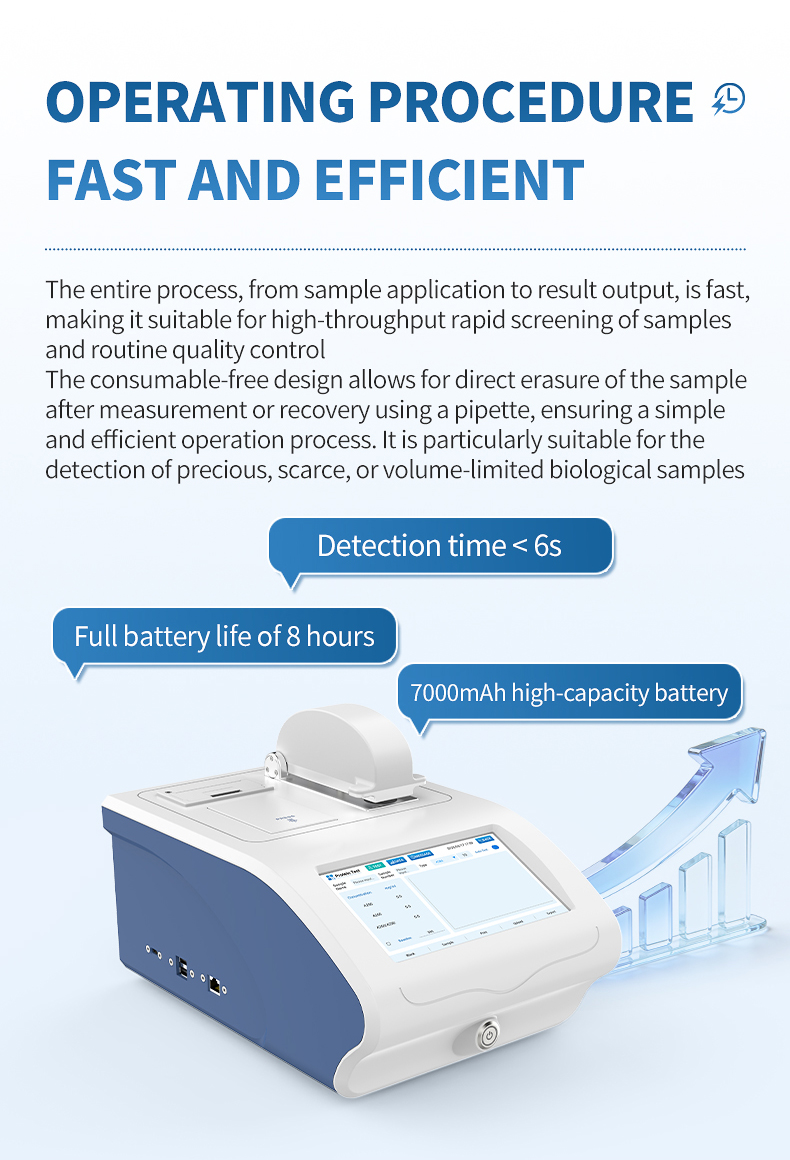
No-dilution, no-consumable 0.5–2 µL sample platform: Applies equally to UV and fluorescence measurements. Sample recovery by pipette prevents loss of library material; no dedicated fluorometer cuvettes or plates required.
Three-light-path switching (0.04 / 0.2 / 1.0 mm) for UV measurement range extension: Handles both low-concentration UV measurements (1.0 mm path) and concentrated samples (0.04 mm path) without dilution, covering the full 0.04–300 A absorbance range equivalent.
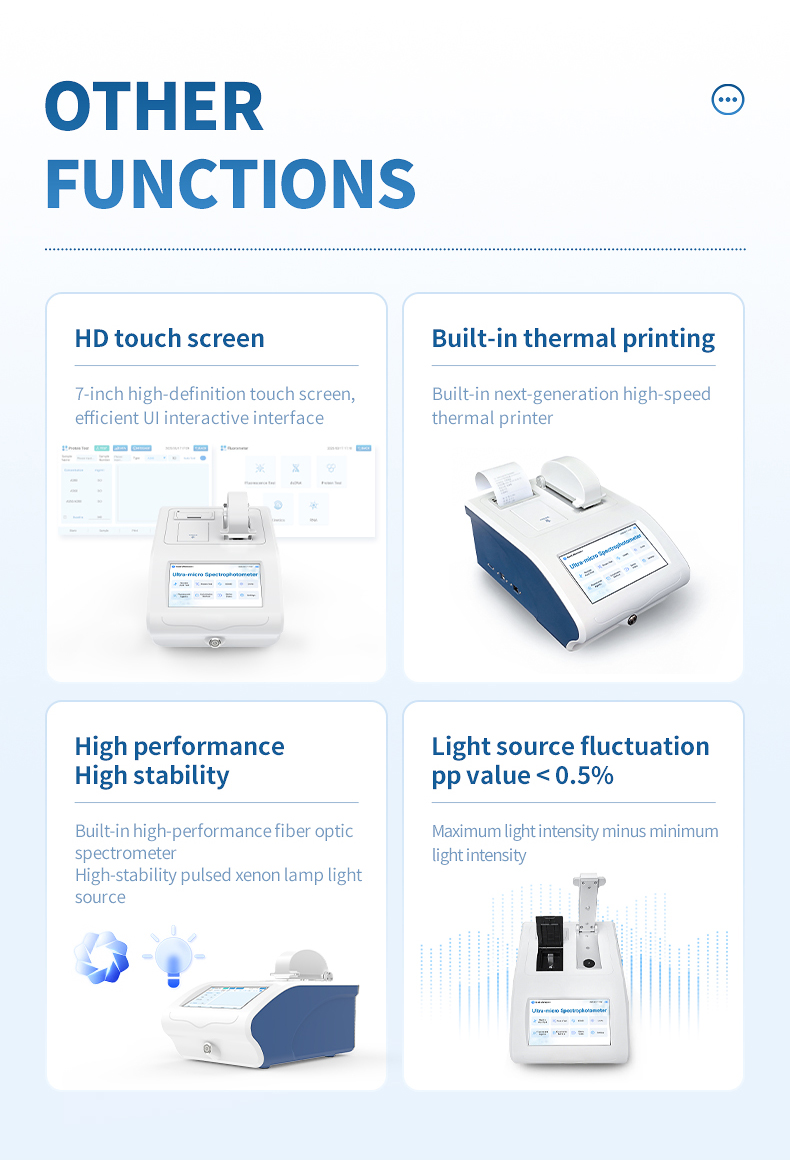
Pulsed xenon lamp light source, PP value <0.5%: Stable excitation for both UV absorbance and 470 nm fluorescence channels, minimizing lamp-related measurement drift during a measurement session.
UV-enhanced CMOS linear array detector: Absorbance precision 0.003 Abs, accuracy ±2% (0.76 Abs @ 260 nm); ensures UV channel performance is not degraded to accommodate fluorescence hardware.
Results in under 6 seconds for all detection modes: Both UV and fluorescence measurements complete within the same time window, maintaining workflow speed whether checking standard DNA concentration or verifying an NGS library with a dye kit.
Android 10, 7-inch HD touchscreen with home-screen module access: Fluorescence Test, Nucleic Acid Test, Protein Test, OD600, UV-Vis, and Colorimetric Method are all accessible from a single home screen without navigating complex menus.
Wi-Fi + Ethernet for LIMS integration and cloud data management: Fluorescence and UV results stored in a unified 10,000–100,000 record database; all data exportable via USB or network for genomics data management pipelines.
Technical Specifications
| Parameter | Specification |
|---|---|
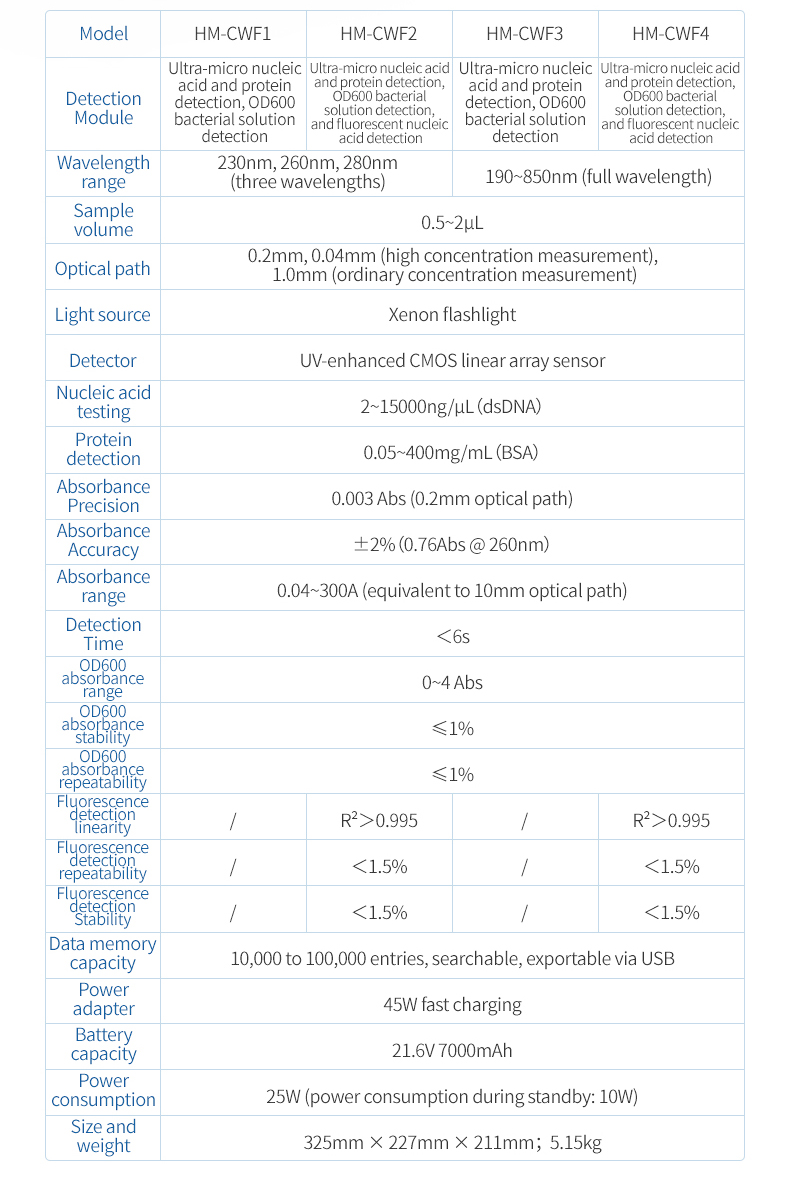
| Model | HM-CWF2 |
| Detection Module | Ultra-micro nucleic acid & protein detection, OD600 bacterial solution detection, fluorescent nucleic acid detection |
| Wavelength Range | 230 nm, 260 nm, 280 nm (three fixed wavelengths) |
| Fluorescence Excitation Wavelength | 470 nm |
| Sample Volume | 0.5–2 µL |
| Optical Path | 0.2 mm, 0.04 mm (high concentration); 1.0 mm (standard concentration) |
| Light Source | Xenon flashlight (pulsed xenon lamp) |
| Detector | UV-enhanced CMOS linear array sensor |
| Nucleic Acid Testing Range | 2–15,000 ng/µL (dsDNA) by UV; down to 0.5 pg/µL by fluorescence |
| Protein Detection Range | 0.05–400 mg/mL (BSA) |
| Absorbance Precision | 0.003 Abs (0.2 mm optical path) |
| Absorbance Accuracy | ±2% (0.76 Abs @ 260 nm) |
| Absorbance Range | 0.04–300 A (equivalent to 10 mm optical path) |
| Detection Time | <6 s |
| OD600 Absorbance Range | 0–4 Abs |
| OD600 Absorbance Stability | ≤1% |
| OD600 Absorbance Repeatability | ≤1% |
| Fluorescence Detection Linearity | R²>0.995 |
| Fluorescence Detection Repeatability | <1.5% |
| Fluorescence Detection Stability | <1.5% |
| Operating System | Android 10 |
| Display | 7-inch HD color touchscreen |
| Connectivity | Wi-Fi, Ethernet, USB |
| Data Storage | 10,000–100,000 entries, searchable, exportable via USB |
| Power Adapter | 45 W fast charging |
| Battery Capacity | 21.6 V / 7000 mAh |
| Power Consumption | 25 W (standby: 10 W) |
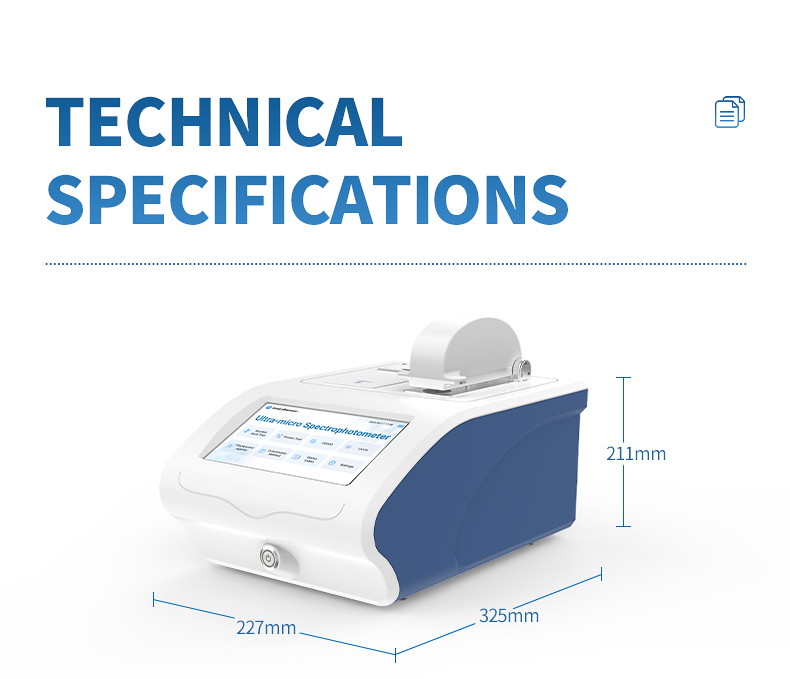
| Size & Weight | 325 mm × 227 mm × 211 mm; 5.15 kg |
FAQ
Q1: When should I use the fluorescence mode versus the UV absorbance mode on the HM-CWF2?
A: Use UV absorbance (260 nm) for standard applications where sample concentration is expected to be above approximately 2–5 ng/µL: routine genomic DNA quantification, plasmid yields, total RNA from cell culture, or PCR product verification. Switch to fluorescence mode when concentration is expected to be below 2 ng/µL, when the sample may contain significant amounts of free nucleotides or RNA degradation products that would artificially inflate the A260 reading, or when you are quantifying NGS library material where molecular accuracy directly affects sequencing cluster density.
Q2: Which fluorescent dyes are compatible with the HM-CWF2 fluorescence module?
A: The fluorescence excitation wavelength is fixed at 470 nm. This is optimized for common dsDNA-specific intercalating dyes typically excited in the 465–500 nm range (such as the widely used PicoGreen-equivalent reagents and similar broad-excitation fluorescent nucleic acid dyes). Compatibility with specific commercial dye kits depends on their excitation spectrum — dyes optimized for 365 nm or 640 nm excitation are not suitable for this module. Please verify the excitation wavelength requirement of your specific reagent kit before use.
Q3: For NGS library QC, is fluorescence quantification from the HM-CWF2 sufficient, or is qPCR still needed?
A: Fluorescence-based quantification (such as Qubit or equivalent) and qPCR serve complementary purposes in NGS library QC. Fluorescence quantification measures total dsDNA concentration, including non-amplifiable fragments, while qPCR quantifies only adapter-ligated, amplifiable molecules. For Illumina sequencing, fluorescence quantification is typically used for initial library concentration estimation, with qPCR reserved for high-throughput cores running multiple samples per flow cell where loading accuracy is critical. For most research lab applications, fluorescence quantification on the HM-CWF2 is sufficient for library quality assessment.
Q4: Does the HM-CWF2 require separate dye reagent kits for fluorescence measurements?
A: Yes — fluorescence-based nucleic acid quantification requires adding a fluorescent dye to the sample before measurement. The instrument provides the 470 nm excitation light source and detection electronics, but the binding dye must be added separately according to the reagent manufacturer's protocol. The HM-CWF2 is designed to be compatible with commercially available dye kit formats that use the appropriate excitation range. The consumable-free design refers to the UV absorbance measurement pathway; fluorescence measurement requires the dye reagent as a necessary assay component.
Q5: How does the HM-CWF2 handle contaminated nucleic acid samples that give unreliable A260/A280 ratios?
A: An A260/A280 ratio outside the expected range (below 1.7 or above 2.2) is a flag, not a definitive measurement failure. The HM-CWF2 allows you to run both UV and fluorescence measurements on the same sample. The UV measurement provides the A260/A280 and A260/A230 purity ratios along with a concentration estimate, while the fluorescence measurement provides a concentration estimate specific to intact, dye-accessible nucleic acid. Comparing the two results helps identify whether the discrepancy is due to protein contamination, RNA carryover, free nucleotide content, or other interfering substances — providing more diagnostic information than either method alone.
Q6: What is the practical advantage of having OD600 measurement combined with fluorescence in the same instrument?
A: In recombinant protein expression workflows, the experimental cycle moves directly from bacterial culture monitoring (OD600 for induction timing) through cell lysis to nucleic acid or protein product quantification. Having all three measurement types — OD600, UV nucleic acid/protein, and fluorescence nucleic acid — in one instrument eliminates the need to move samples between different devices at time-critical steps. It also simplifies documentation, since all measurements from a single experiment session are stored in one instrument's data log.
Address of this article:https://labinstruments.net/pro2/fluorescence-spectrophotometer-ngs-nucleic-acid-cwf2.html