

 Current
location:
Current
location: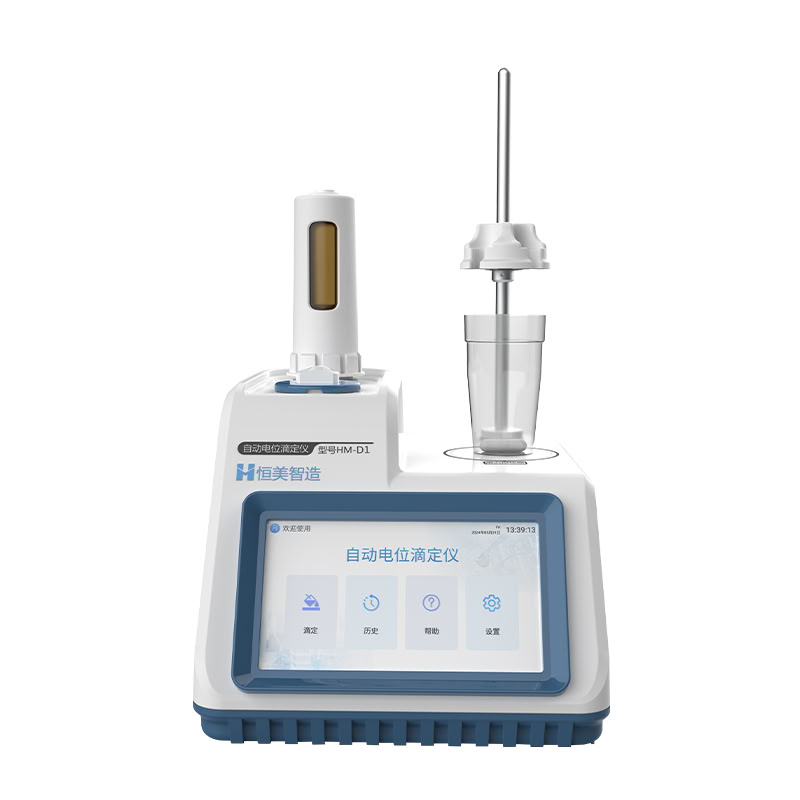
 +86 17853698681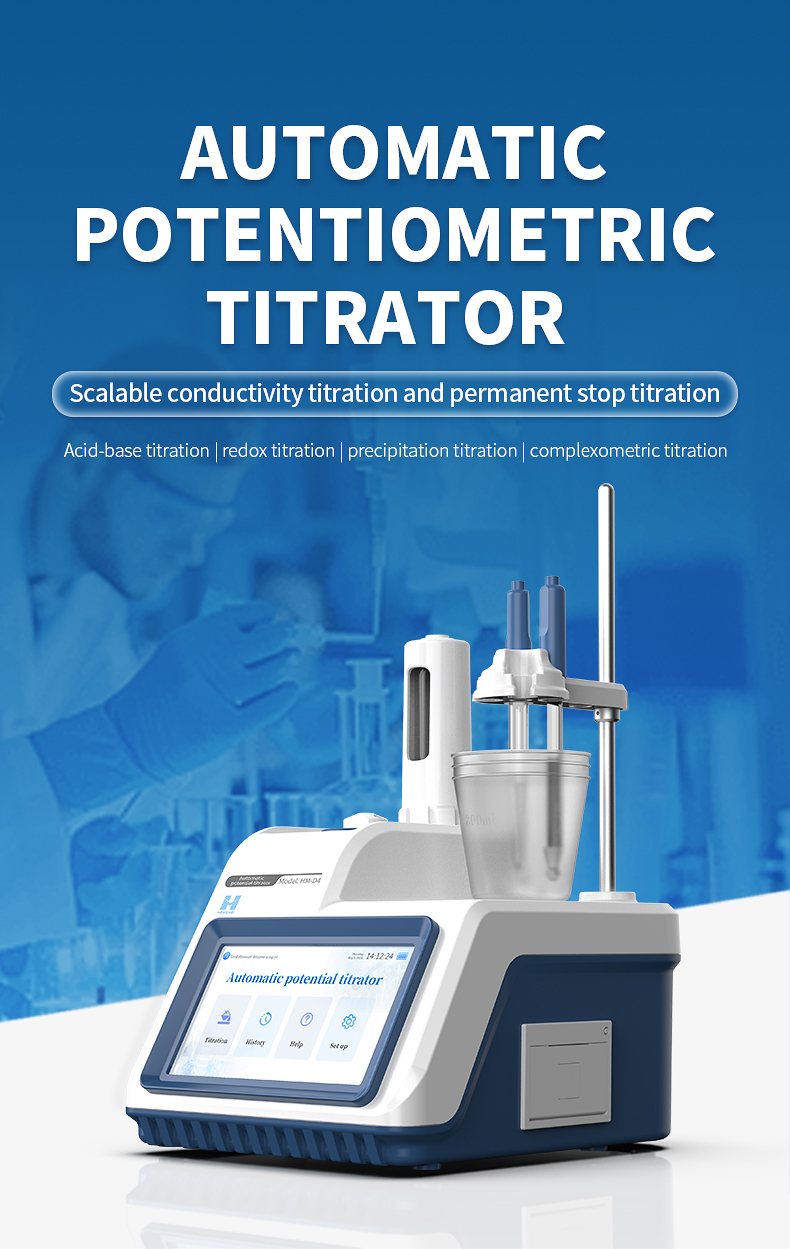
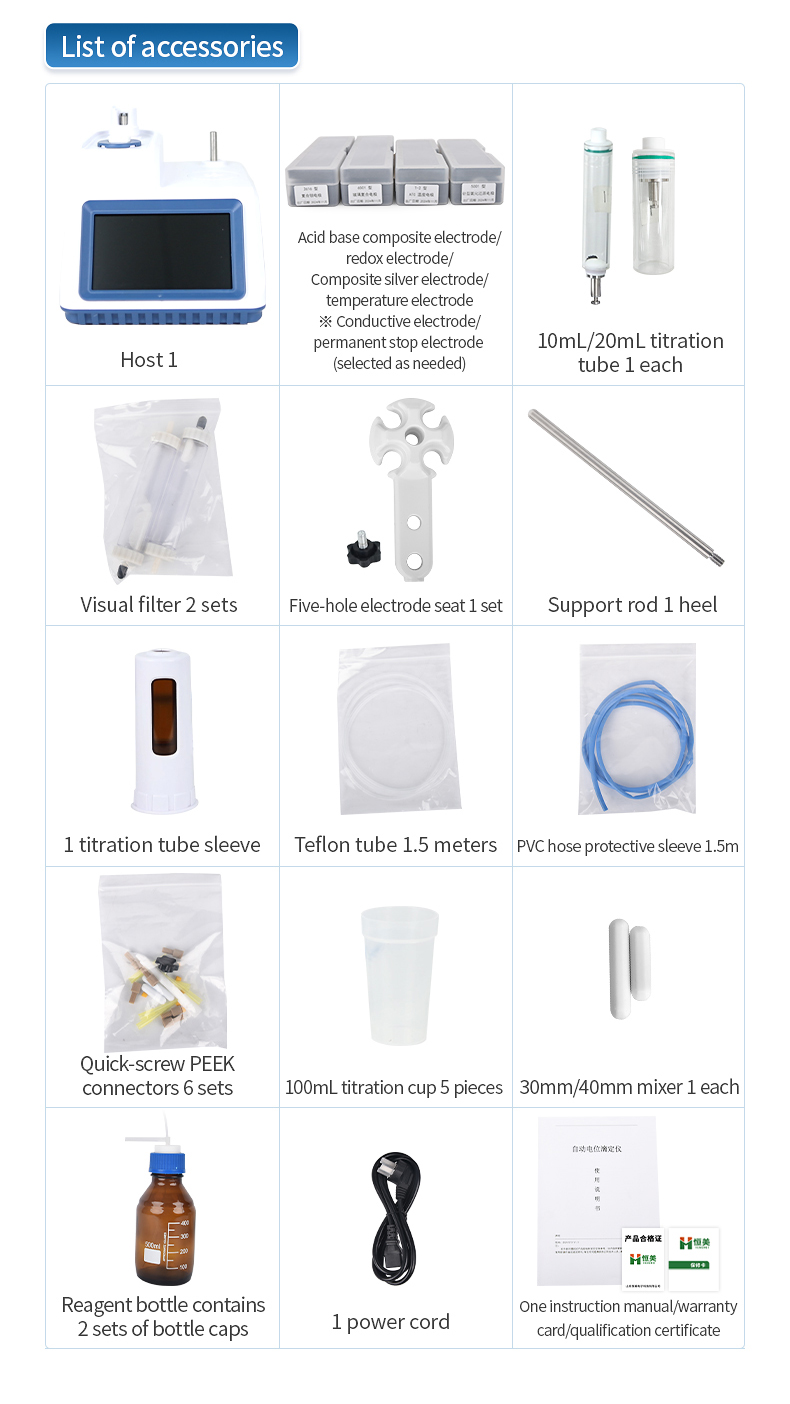
Product Introduction
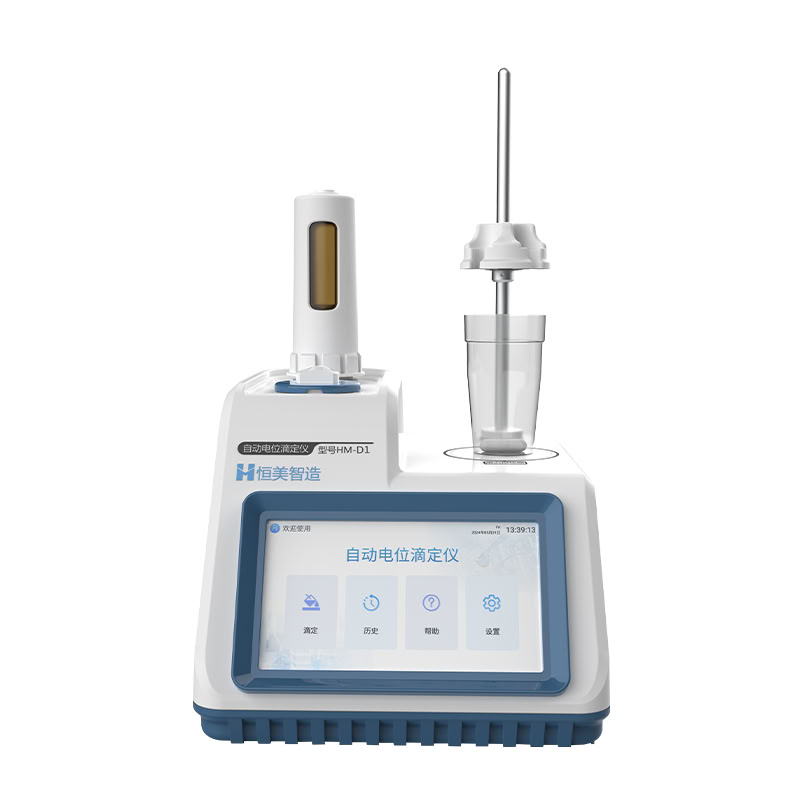
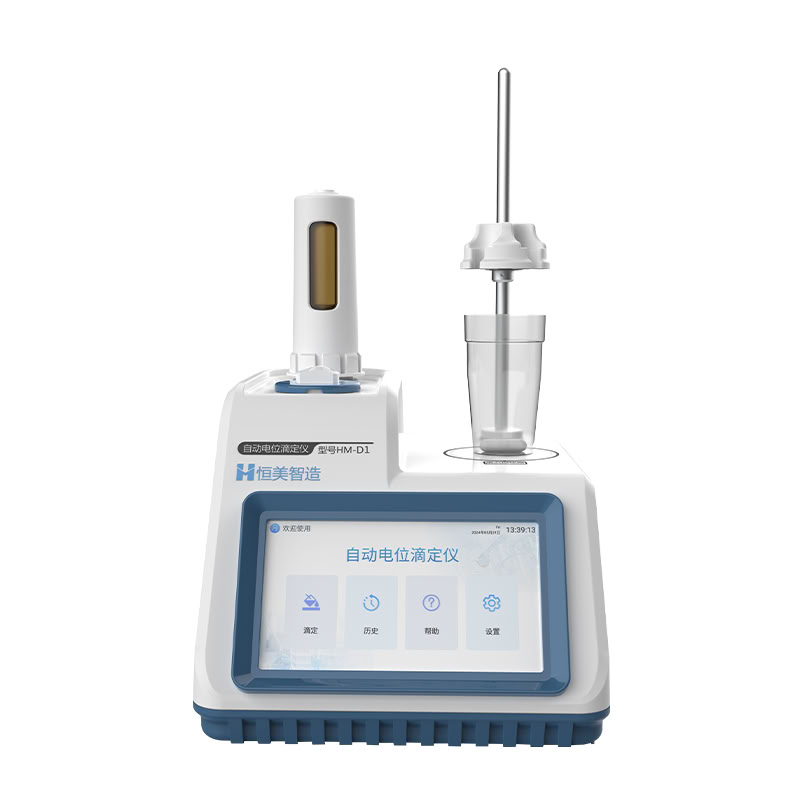
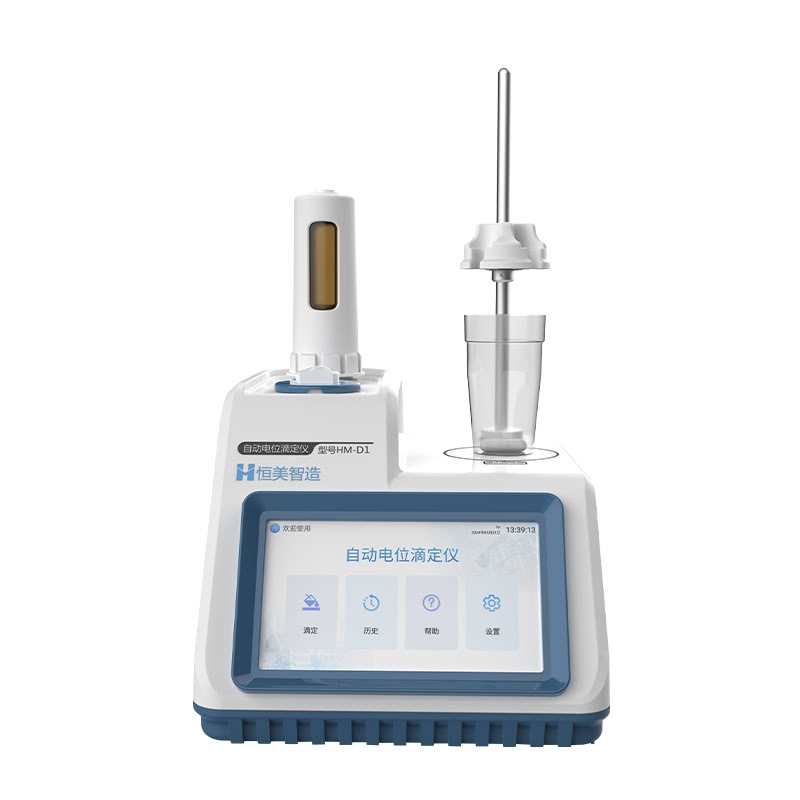
In today's food safety and environmental monitoring landscape, routine quality control laboratories face increasing pressure to deliver accurate, reproducible titration results while managing operational costs. Manual titration methods — still prevalent in many QC settings — introduce operator-dependent variability, consume excessive technician time, and struggle to meet modern data integrity requirements. The HM-D1 Automatic Potentiometric Titrator addresses these challenges by automating the entire titration workflow at a price point that makes automation accessible to laboratories of all sizes.
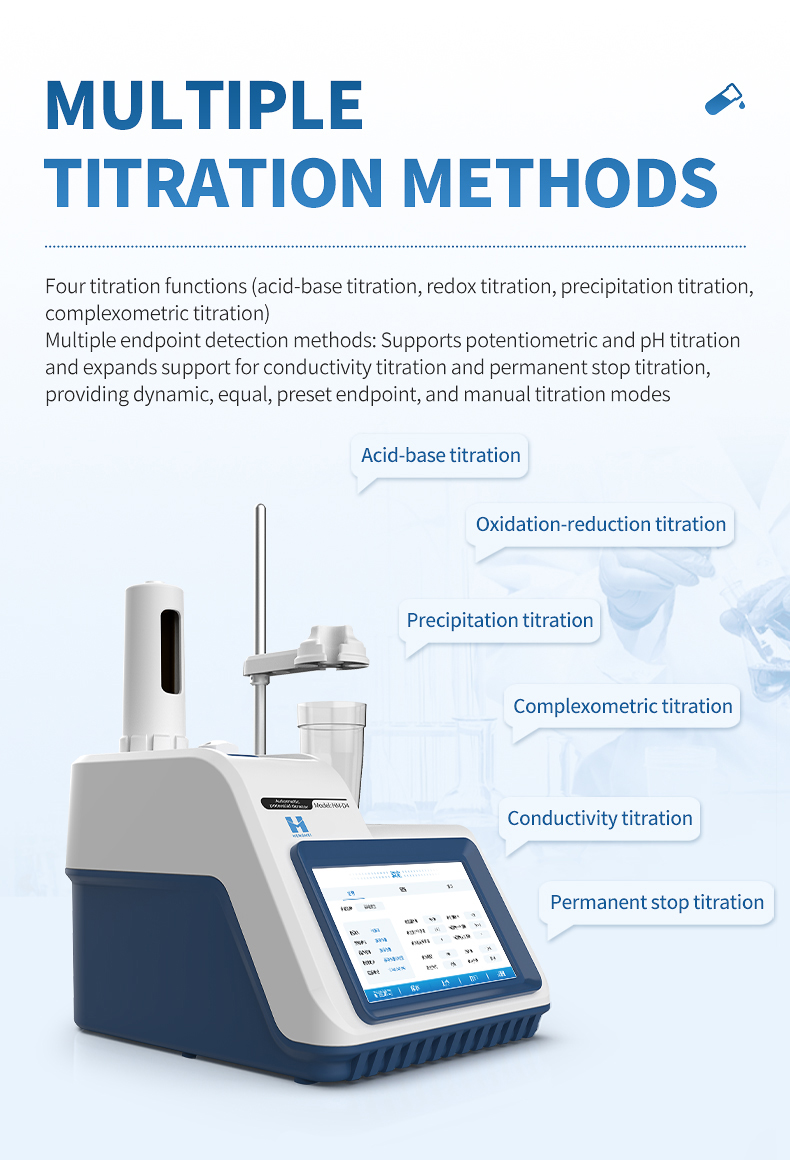
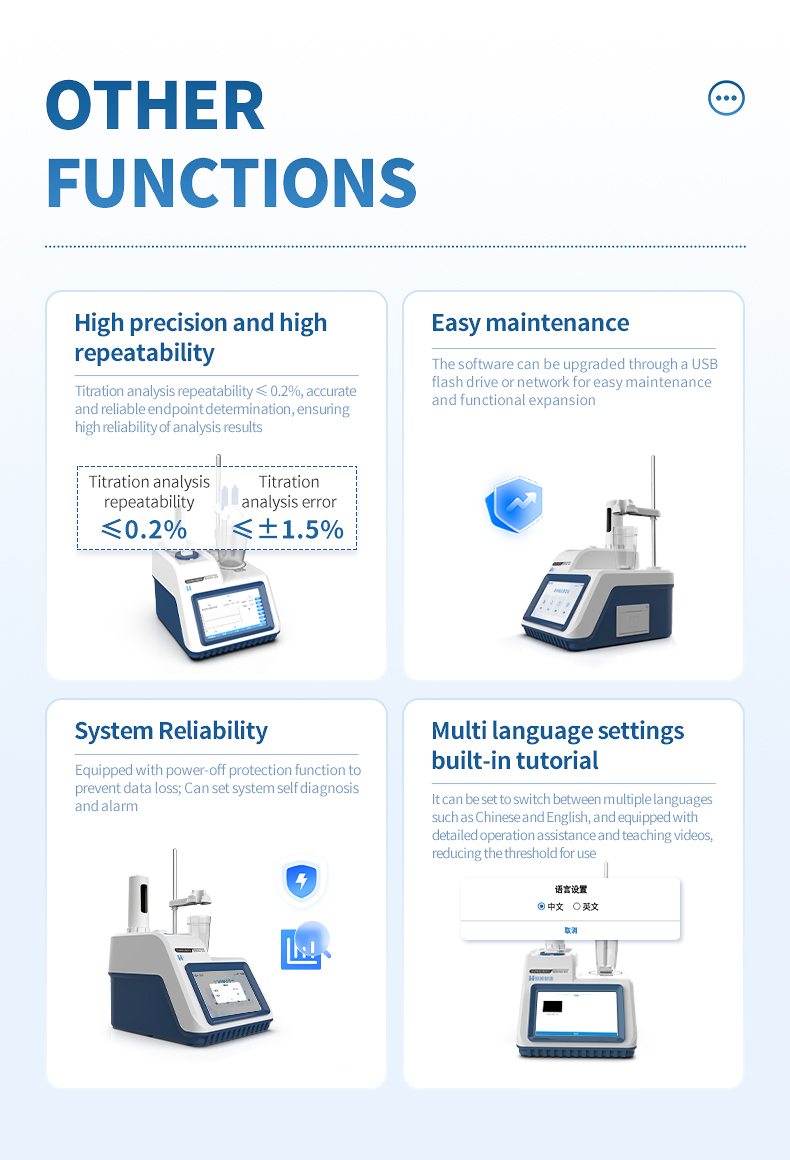
The instrument's core platform supports the four titration methods most commonly required in routine QC: acid-base titration for food acidity and alkalinity assessment, redox titration for oxidant and reductant quantification, precipitation titration for halide analysis, and complexometric titration for metal ion determination. Each method benefits from the HM-D1's automated endpoint detection, which uses intelligent algorithms to identify curve inflection points with ≤0.2% repeatability — eliminating the subjective color-change judgment inherent in manual indicator-based titration.
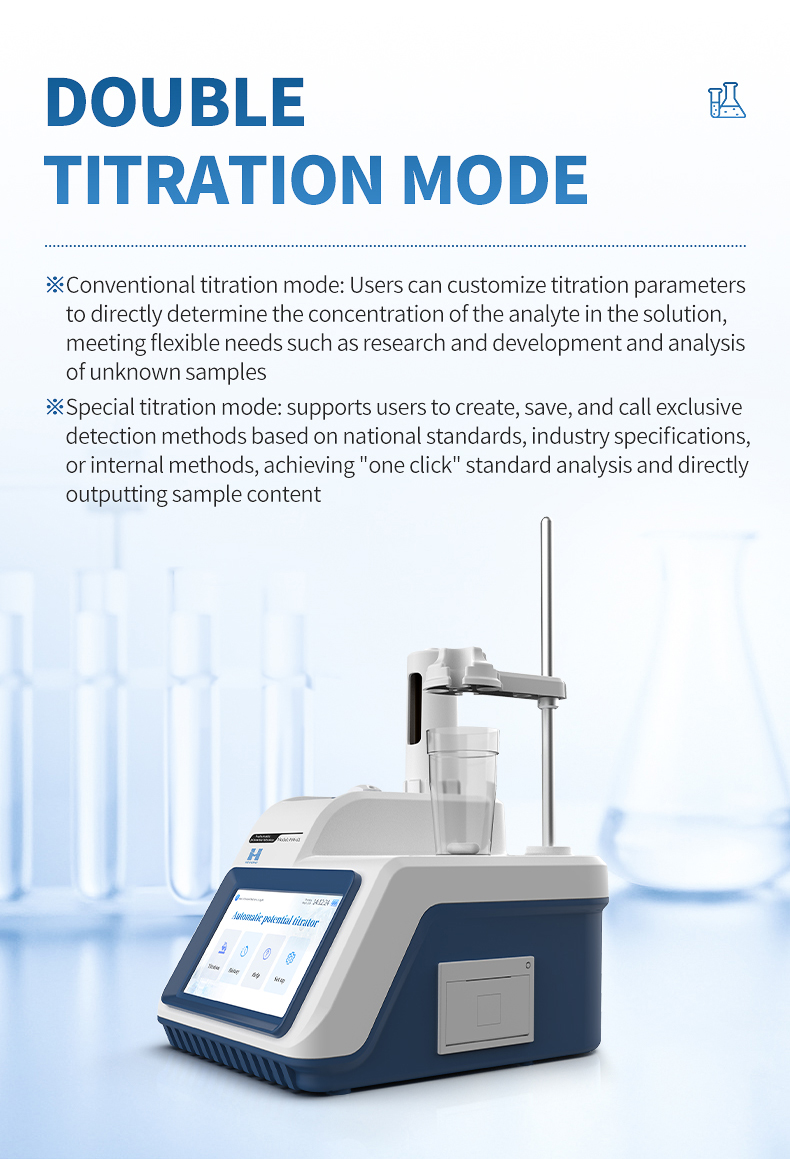
For laboratories operating under standard operating procedures, the HM-D1's specialized titration mode is particularly valuable. Technicians can create, store, and recall pre-configured methods aligned with national standards such as GB standards for food testing or environmental monitoring protocols. Once a method is selected, the instrument handles titrant dispensing, signal monitoring, endpoint detection, and result calculation automatically — reducing a skilled technician's involvement to sample preparation and result verification.
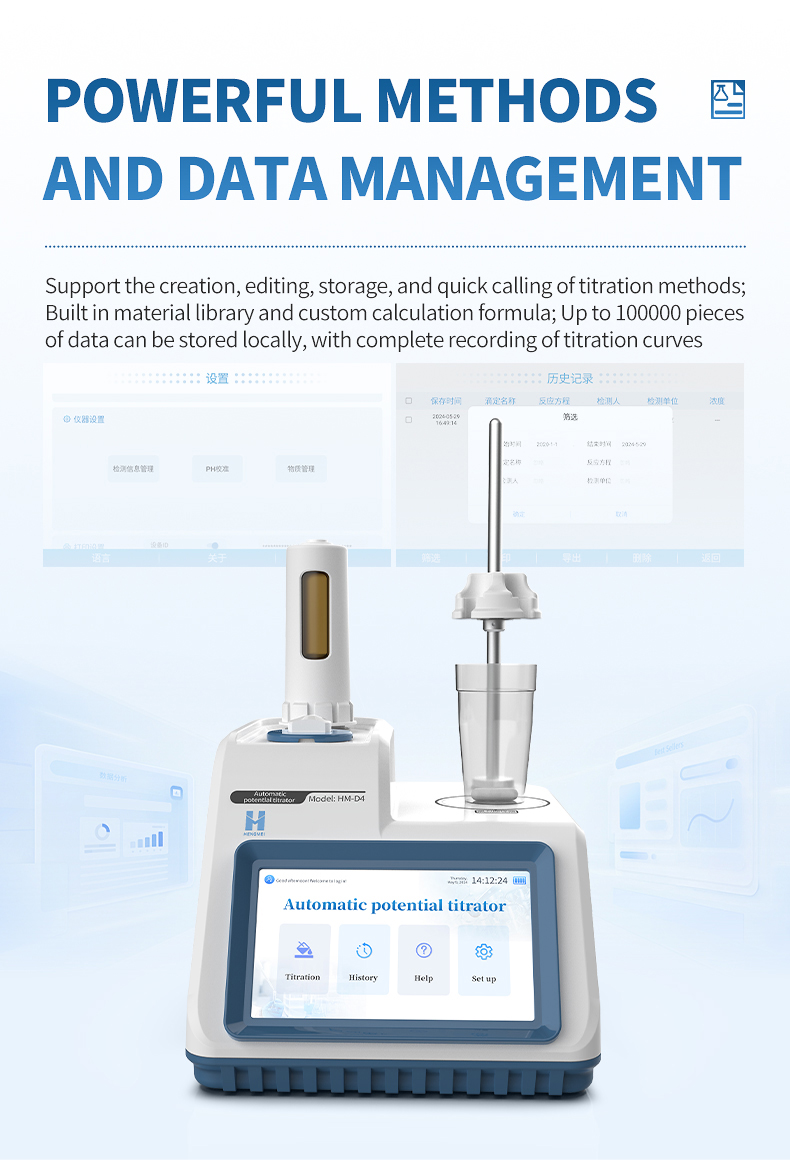
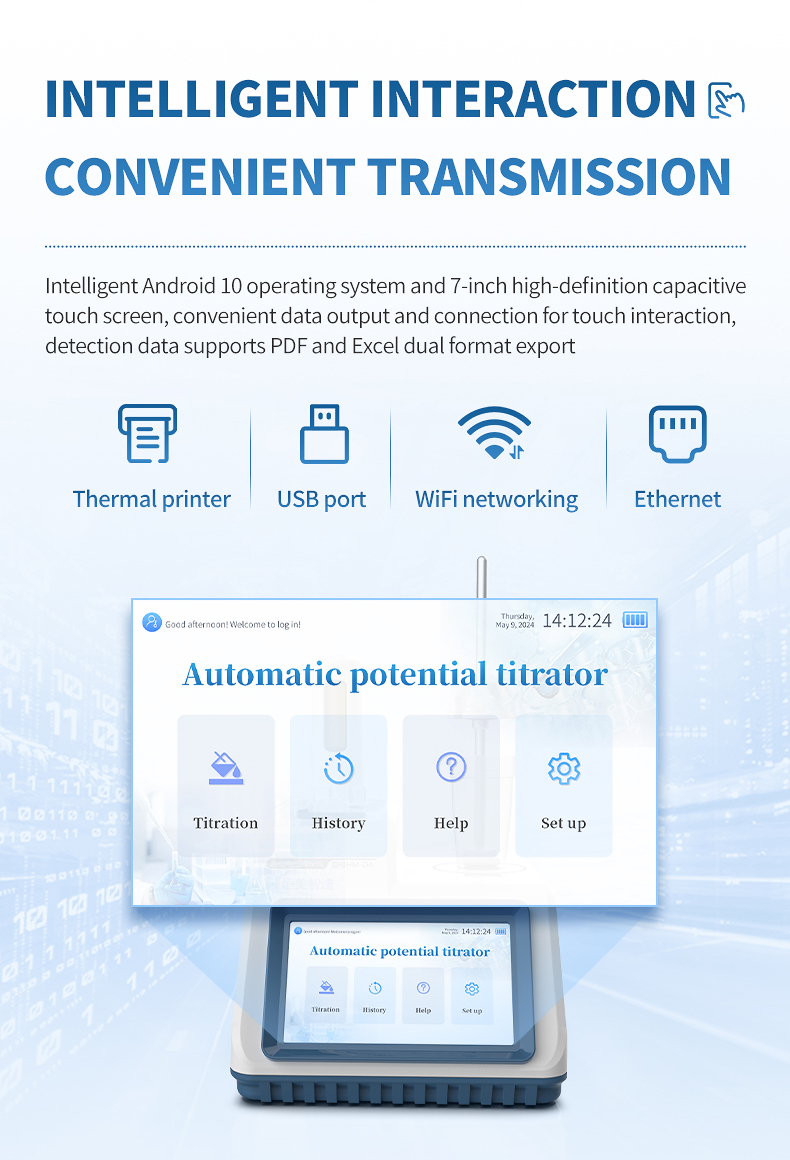
The Android 10 operating system with 7-inch touchscreen provides an interface familiar to any smartphone user, dramatically reducing training time compared to traditional knob-and-button instruments. Combined with 100,000-record local storage, PDF/Excel dual-format export, and optional Wi-Fi connectivity to LIMS systems, the HM-D1 bridges the gap between legacy manual workflows and fully digitized laboratory operations.
Applications
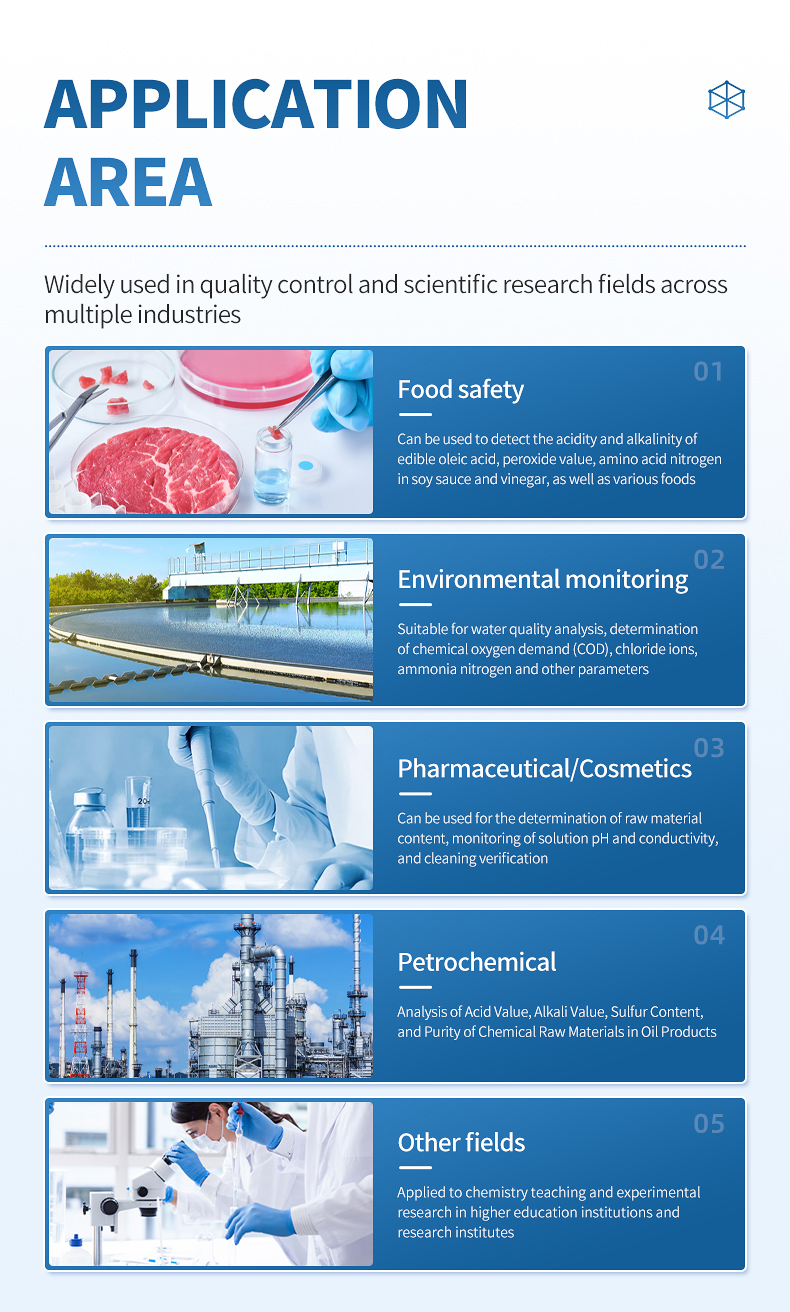
Food Oil Quality Control: Acid value and peroxide value determination per GB 5009.229 and GB 5009.227 standards for edible oil quality assessment
Condiment Analysis: Amino acid nitrogen quantification in soy sauce and vinegar per GB 5009.235 for product grading
Beverage Acidity Testing: Total acid content measurement in fruit juices, wines, and dairy products for quality consistency
Environmental Water Monitoring: Chloride ion determination by silver nitrate precipitation titration in surface water and wastewater
Industrial Process Water: Alkalinity and hardness testing for boiler water and cooling system quality assurance
Teaching Laboratories: Fundamental titration education with automated result output for chemistry courses
Key Features & Advantages
Cost-Effective Automation: Full four-method titration automation at a price competitive with manual glassware setups, enabling QC labs to upgrade without major capital investment.
One-Click Standard Methods: Pre-configured specialized titration methods for common food safety and environmental standards eliminate setup errors and ensure method consistency.
Eliminated Subjective Judgment: Automated potentiometric endpoint detection replaces visual indicator color-change assessment, removing operator-dependent variability from results.
Rapid Method Switching: Switch between acid-base, redox, precipitation, and complexometric methods in seconds via touchscreen — no hardware reconfiguration required.
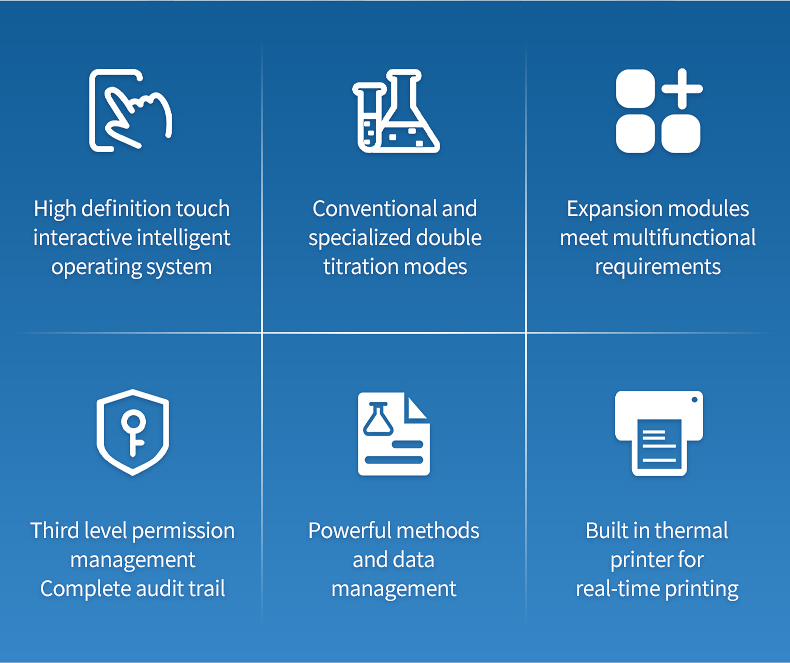
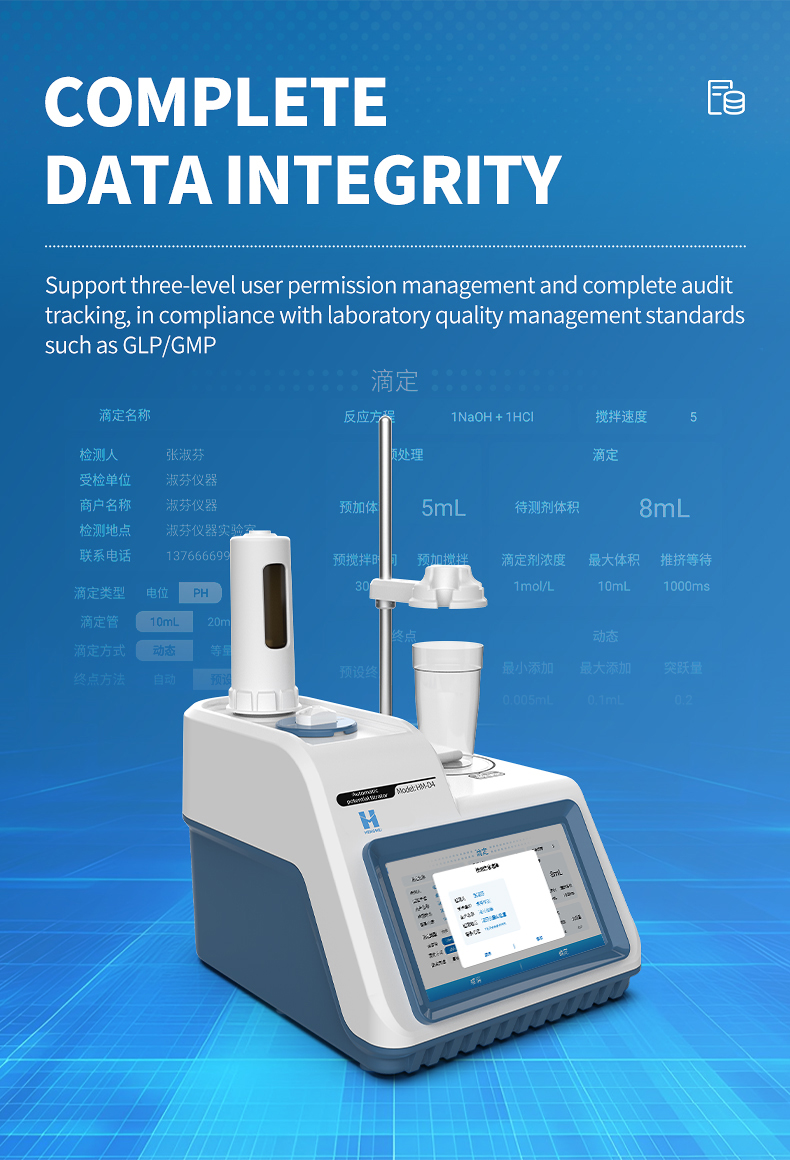
Built-In Compliance Tools: Three-level user permissions and complete audit trail meet increasing regulatory demands for data integrity in routine testing.
High-Throughput Capability: Automatic titrant dispensing, endpoint detection, and result calculation allow technicians to process more samples per shift with consistent accuracy.
Minimal Training Requirements: Android 10 touchscreen interface with graphical icons and built-in tutorial videos reduces new-user training from days to hours.
Flexible Data Workflow: PDF reports for immediate filing, Excel export for statistical analysis, Wi-Fi upload for LIMS integration — covers all documentation needs.
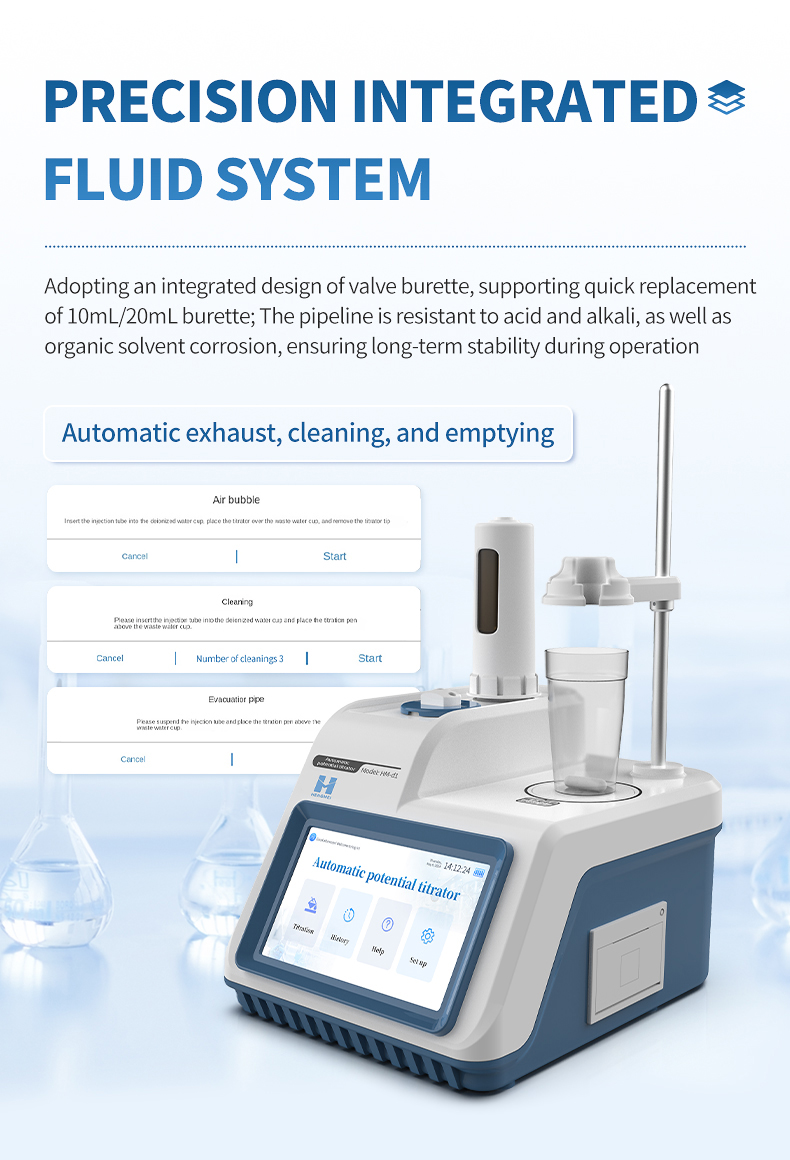
Low Maintenance Design: Corrosion-resistant fluid path, automatic cleaning routines, and quick-swap burettes minimize instrument downtime between analyses.
Scalable Platform: The HM-D1's modular architecture allows future expansion with conductivity or dead-stop modules as laboratory needs evolve.
Technical Specifications
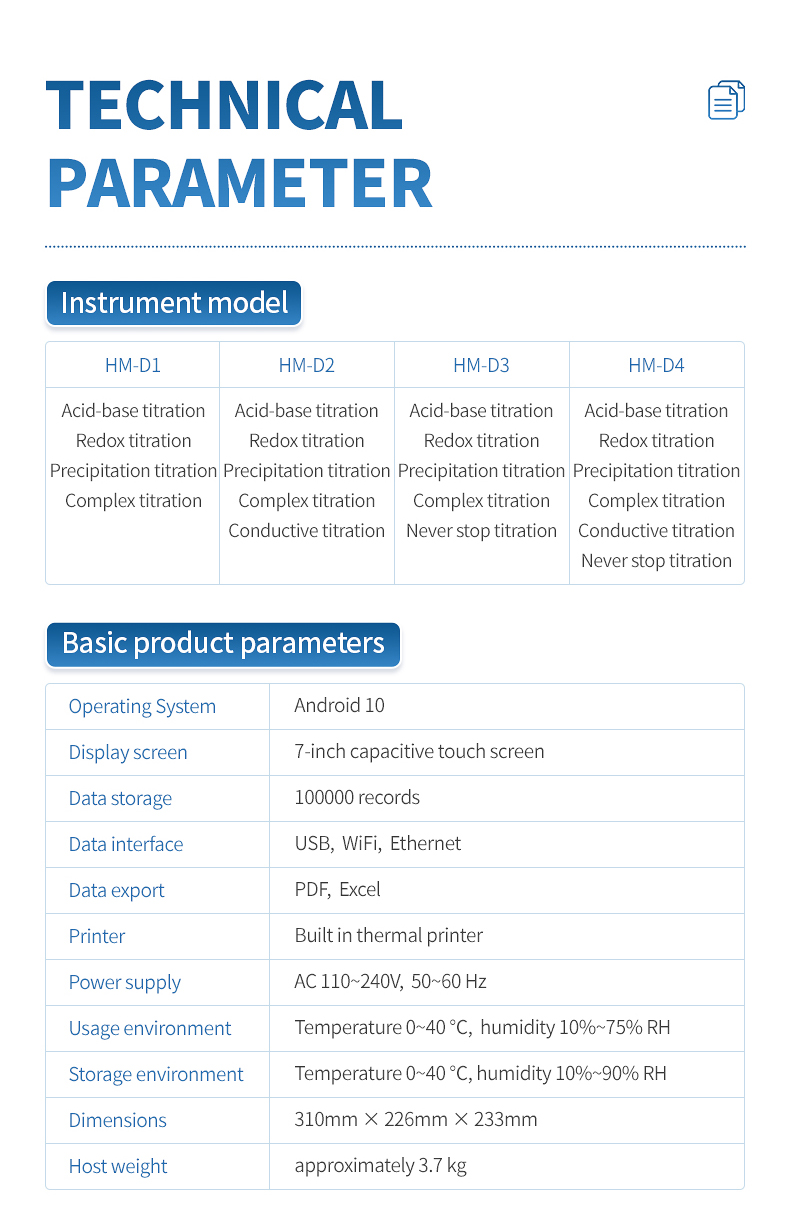
| Parameter | Specification |
|---|---|
| Titration Methods | Acid-base, Redox, Precipitation, Complexometric |
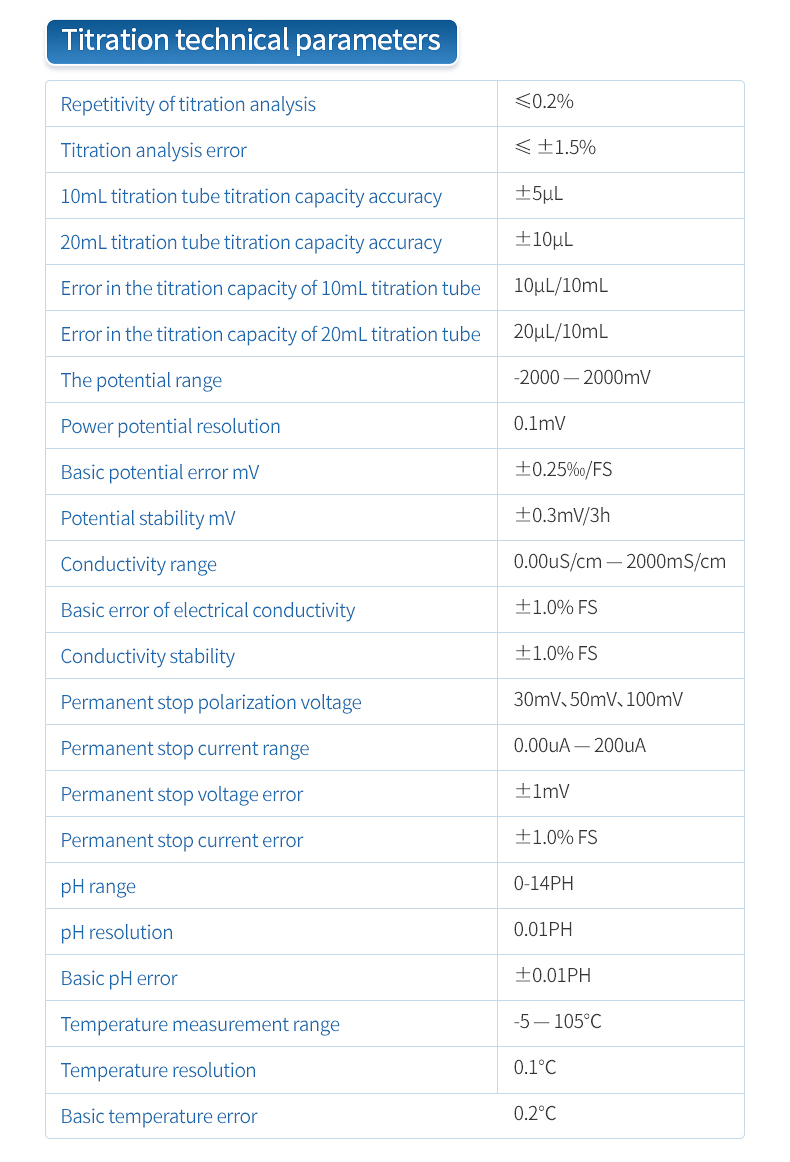
| Repeatability | ≤ 0.2% |
| Analysis Error | ≤ ±1.5% |
| Burette Options | 10 mL (±5 μL) / 20 mL (±10 μL), quick-swap |
| Potential Measurement | -2,000~+2,000 mV, 0.1 mV resolution, ±0.25‰ FS |
| pH Measurement | 0~14 pH, 0.01 pH resolution, ±0.01 pH accuracy |
| Temperature | -5~105 °C, 0.1 °C resolution, ±0.2 °C accuracy |
| Endpoint Detection | Dynamic, equal-volume, preset endpoint, manual modes |
| Display | 7-inch capacitive touchscreen, Android 10 |
| Data Storage | 100,000 records with full titration curves |
| Data Export | PDF, Excel, built-in thermal printer |
| Connectivity | USB, Wi-Fi, Ethernet |
| Power | AC 110~240V, 50~60 Hz (universal) |
| Operating Conditions | 0~40 °C, 10%~75% RH |
| Dimensions | 310×226×233 mm |
| Weight | ~3.7 kg |
FAQ
Q1: Is the HM-D1 a single-tube or multi-tube system?
The HM-D1 uses a single-tube configuration — one burette and one reagent bottle per setup. This design is ideal for routine QC labs that primarily work with one titrant at a time. If you frequently switch between different titrants (e.g., acid and base), you can simply swap the burette assembly in under a minute using the quick-swap mechanism, then rinse the fluid path with the built-in cleaning routine.
Q2: Can the HM-D1 replace manual titration for food safety standards like GB 5009.229?
Yes. The HM-D1's specialized titration mode allows you to create and store methods that follow national standards precisely — including titrant concentration, endpoint criteria, and calculation formulas. Once configured, any technician can run the test with one click, and the instrument automatically calculates and outputs results in the required units, eliminating manual computation errors.
Q3: How does automated endpoint detection compare to visual indicators?
Potentiometric endpoint detection is fundamentally more accurate than visual color-change indicators because it measures the actual electrochemical signal rather than relying on human color perception. The HM-D1 records the complete titration curve and identifies the inflection point algorithmically, achieving ≤0.2% repeatability — a level of consistency that visual methods typically cannot match, especially in colored or turbid samples.
Q4: What maintenance does the HM-D1 require for daily food testing operations?
Daily maintenance is minimal: run the built-in cleaning routine with deionized water at the end of each working day, and store the electrode in the recommended storage solution. The automatic cleaning function flushes the fluid path three times (adjustable), removing residual titrant and preventing crystallization. Monthly, inspect the burette tip for wear and replace if needed — the quick-swap design makes this a 30-second task.
Q5: Can I connect the HM-D1 to our existing LIMS system?
The HM-D1 supports Wi-Fi wireless upload to LIMS systems, as well as USB and Ethernet connectivity. The Wi-Fi option allows technicians to transmit results directly to the laboratory information system without manual data entry, reducing transcription errors and supporting fully digital audit workflows. For facilities without Wi-Fi infrastructure, USB flash drive export and Ethernet connection provide alternative data transfer paths.
Address of this article:https://labinstruments.net/pro24/routine-titration-food-environmental-qc.html
- Previous: no more
- Next: HM-D2 Conductivity Titrator for Water Treatment and Pharmaceutical Process Analysis