

 Current
location:
Current
location: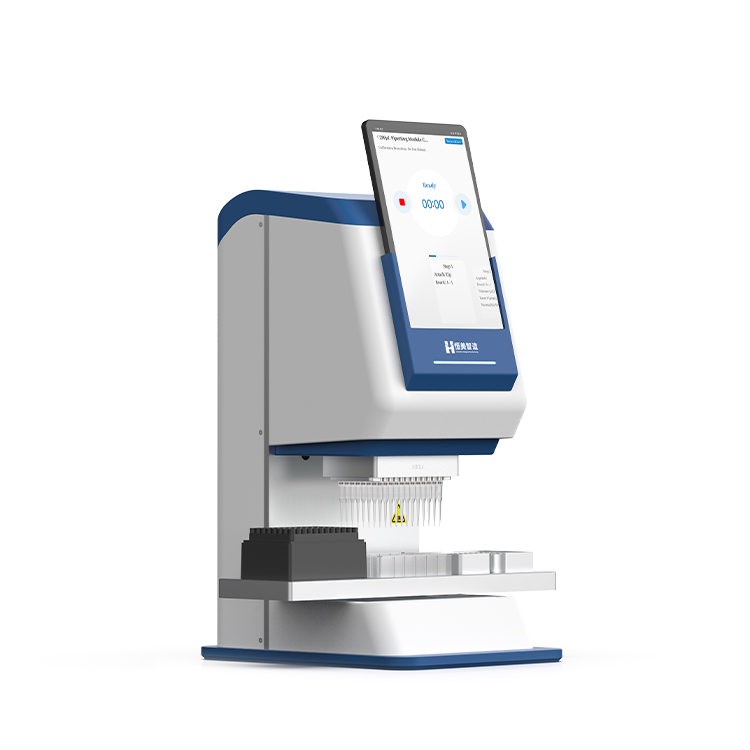
 +86 17853698681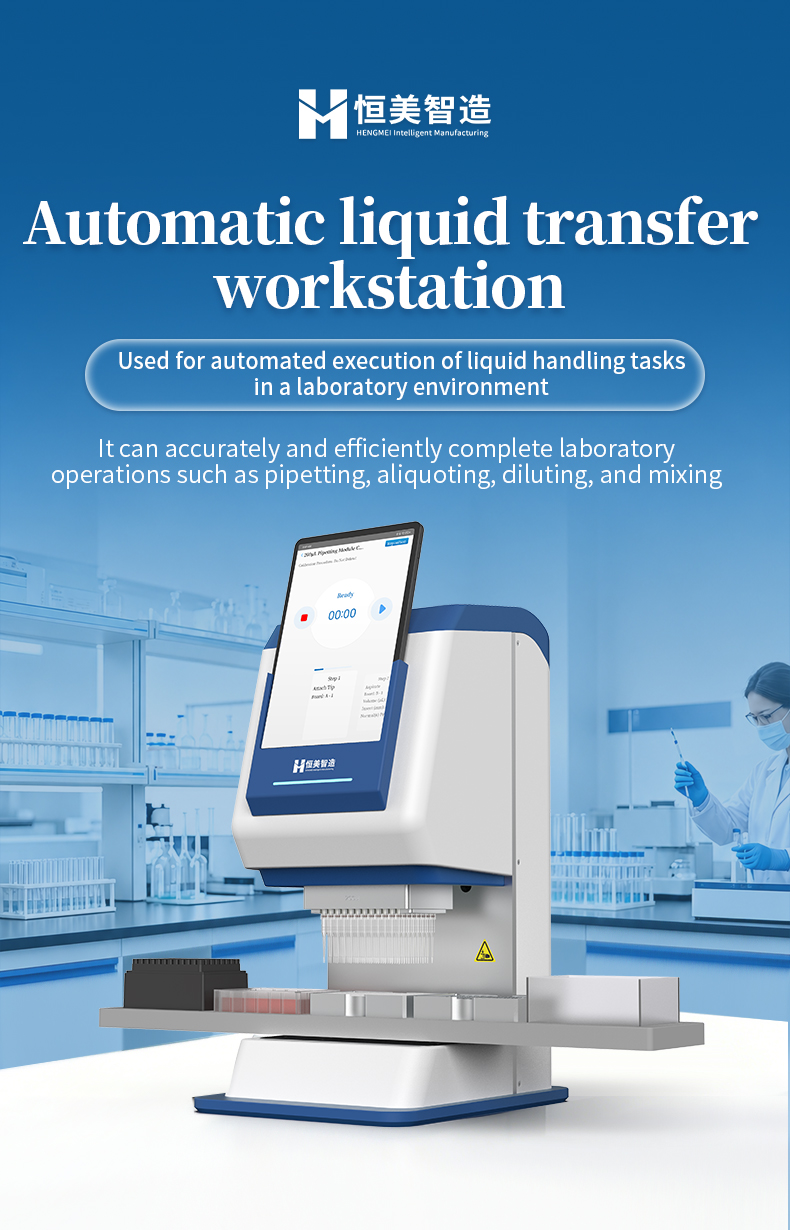
Product Introduction
High-throughput screening core facilities serve multiple research programs simultaneously, running complex assay protocols that chain compound dispensing, serial dilution, detection reagent addition, stop solution delivery and plate reformatting into a single workflow. When any step requires a plate swap — removing a source plate to load a reagent reservoir, or exchanging a tip box for an intermediate dilution plate — the run pauses, timing consistency breaks, and screening throughput collapses. For primary screens processing 100,000+ compounds across multiple 384-well plates, each interruption adds minutes of idle time per plate and compounds into hours of lost throughput per campaign.
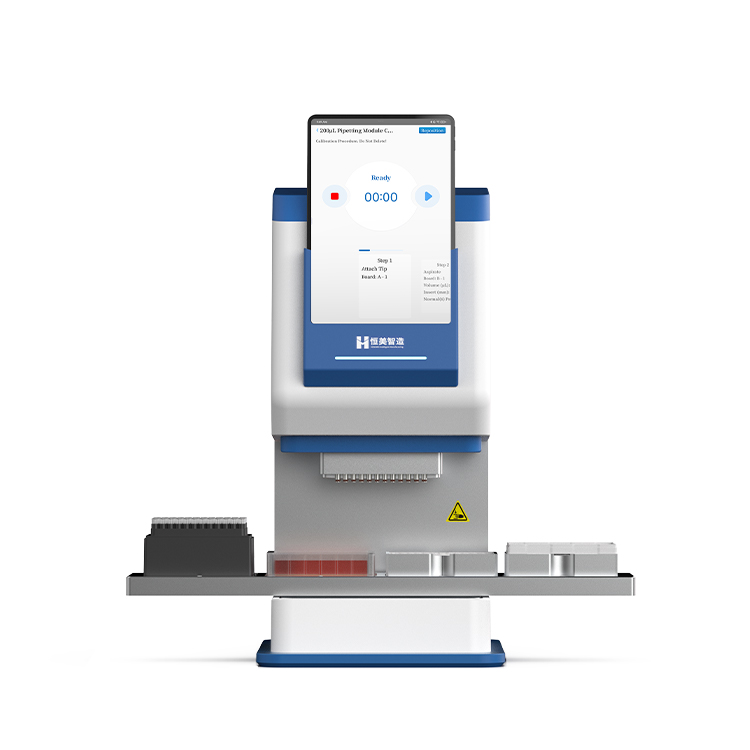
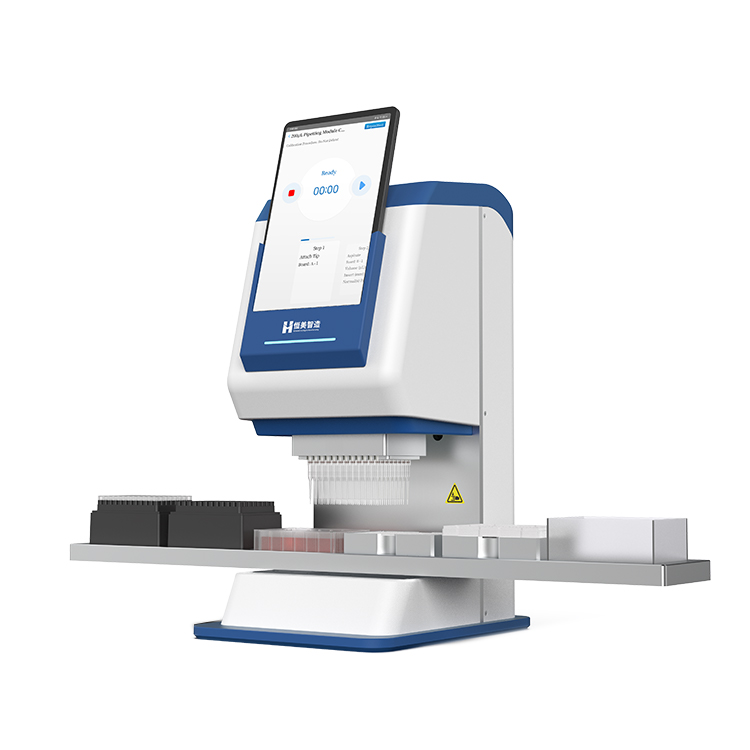
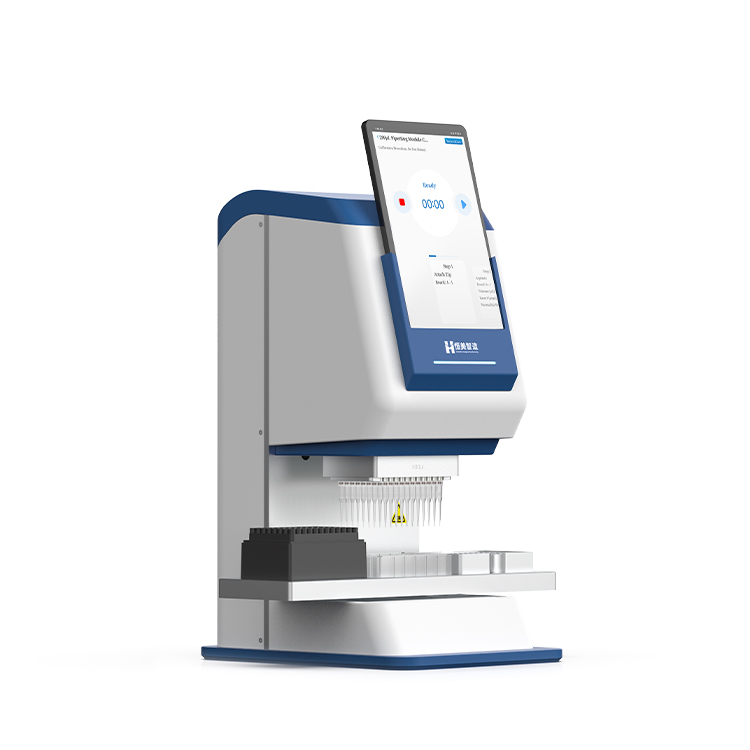
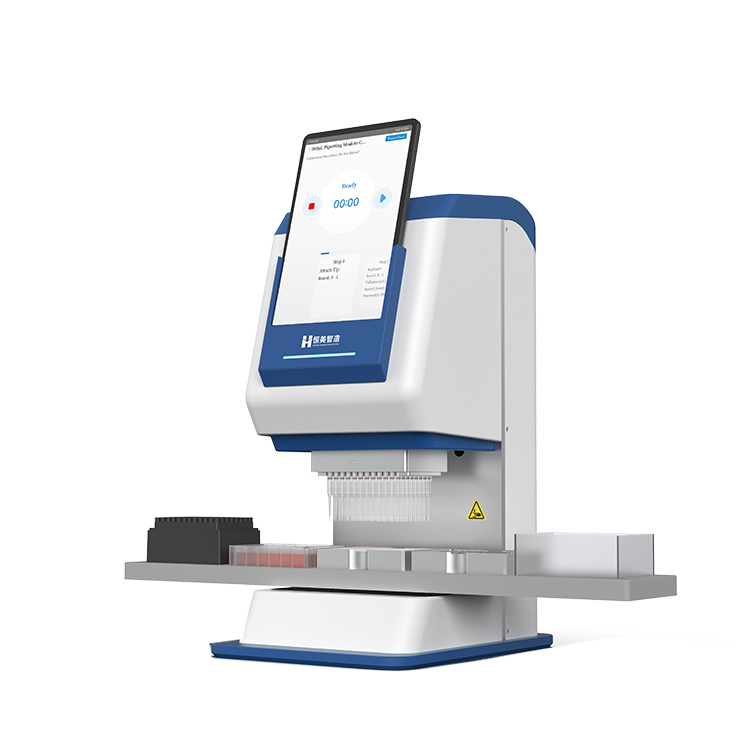
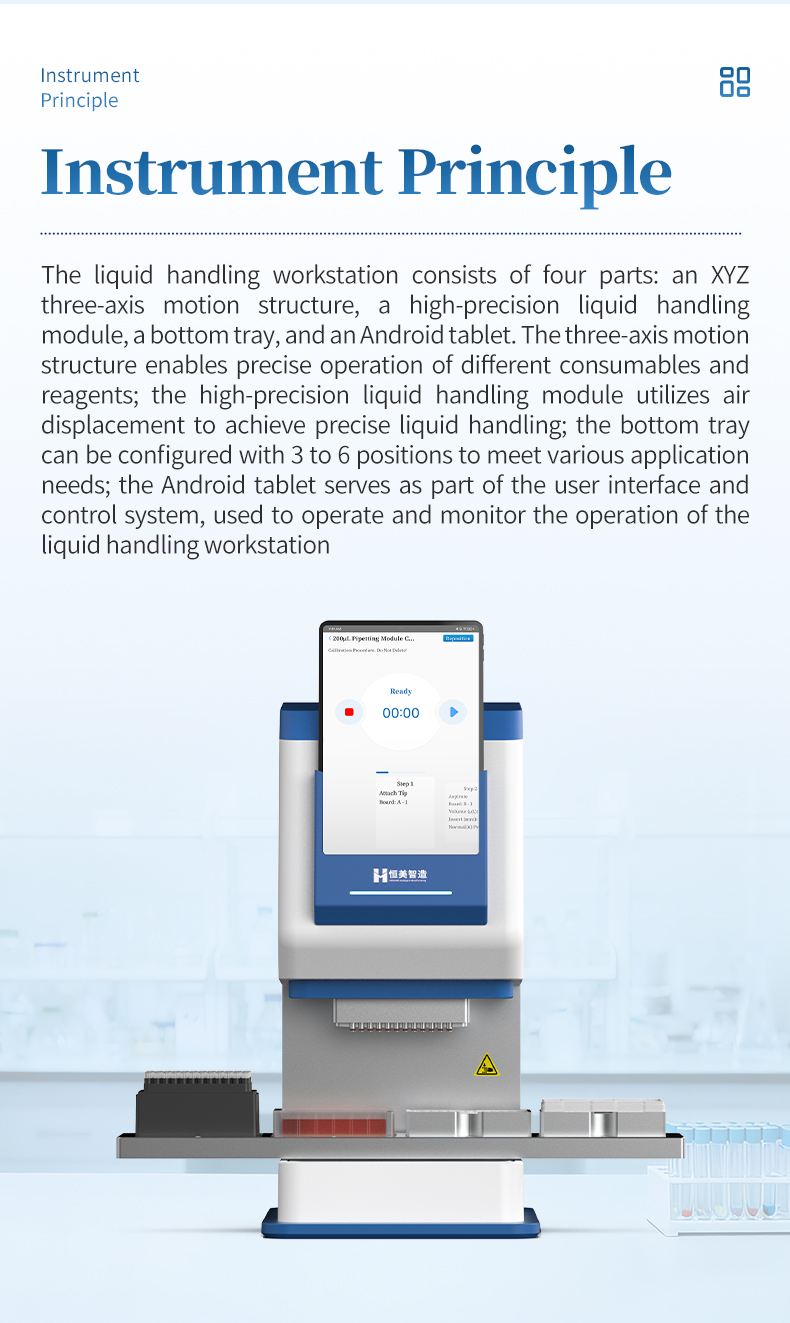
The YA200-6 from HM Instruments is the only 6-deck, 5–200 μL air-displacement workstation designed to eliminate every plate-swap interruption in full HTS protocol chains. Six SBS deck positions accommodate the complete workflow simultaneously: compound source plates, diluent reservoir, intermediate dilution plate, detection reagent reservoir, destination assay plate and tip boxes — all loaded before the run starts, enabling continuous unattended execution from compound addition through to 96-to-384 reformatting.
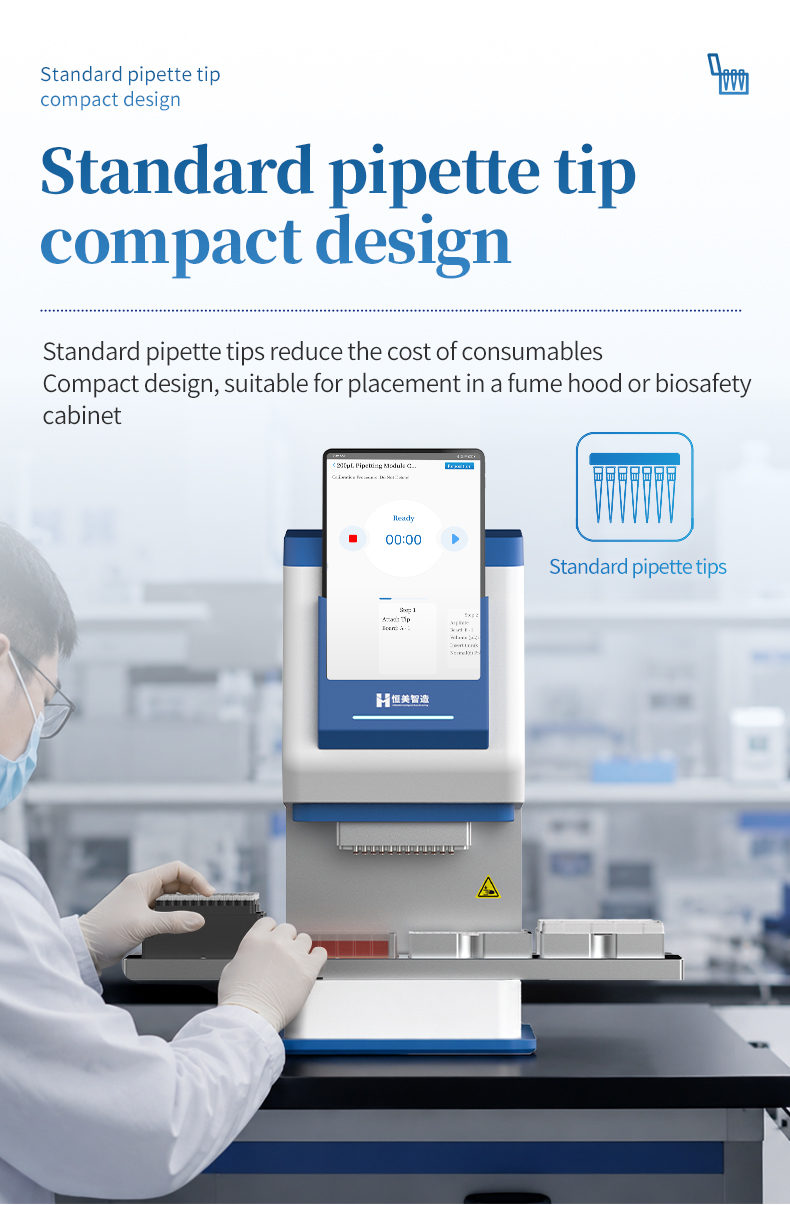
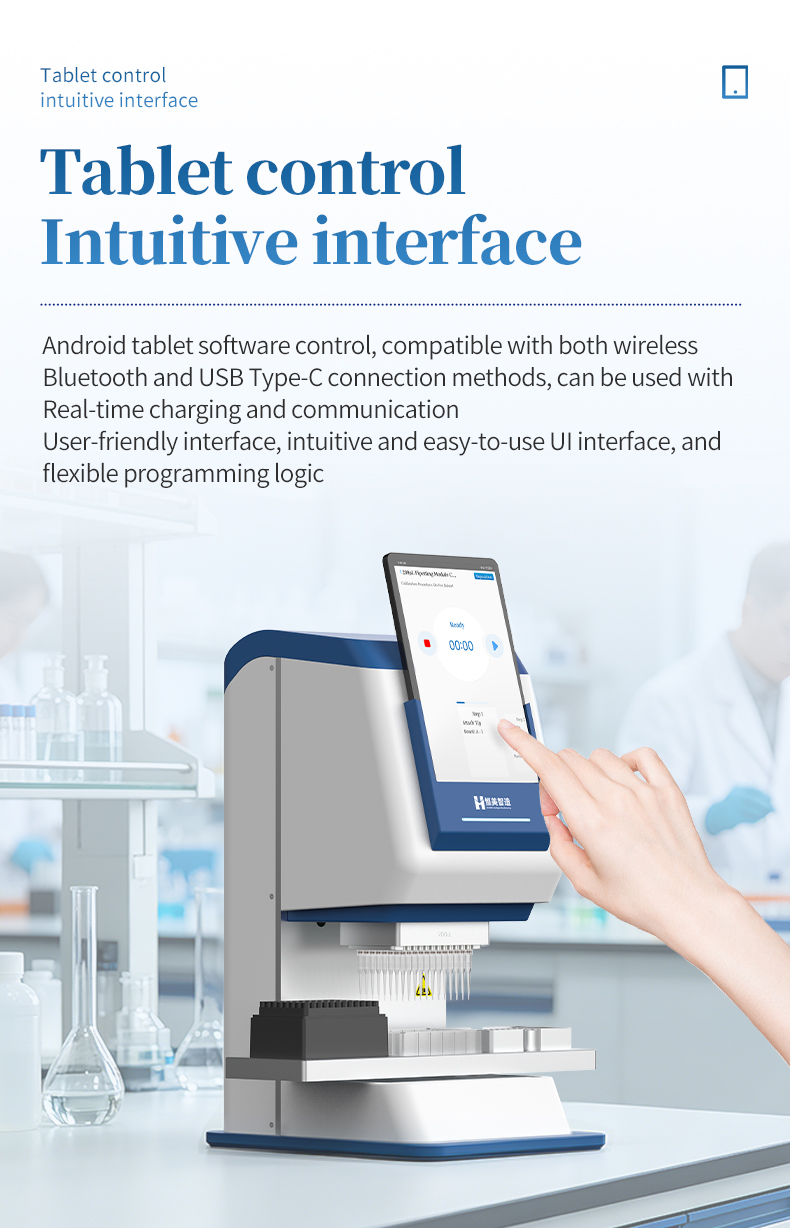
The air-displacement pipetting system delivers ≤0.8% accuracy at 200 μL and ≤0.5% CV through every step of multi-step protocols. Adjustable speed settings accommodate the full range of HTS liquid types: slow aspiration for viscous DMSO compound stocks, gentle dispensing for cell-based assay reagents, and rapid blow-out for volatile stop solutions. The 580 × 350 × 580 mm footprint fits inside Class II biosafety cabinets, enabling aseptic cell-based HTS workflows within containment. The Android tablet with Bluetooth connectivity provides visual protocol programming and real-time monitoring from outside the BSC.
Applications
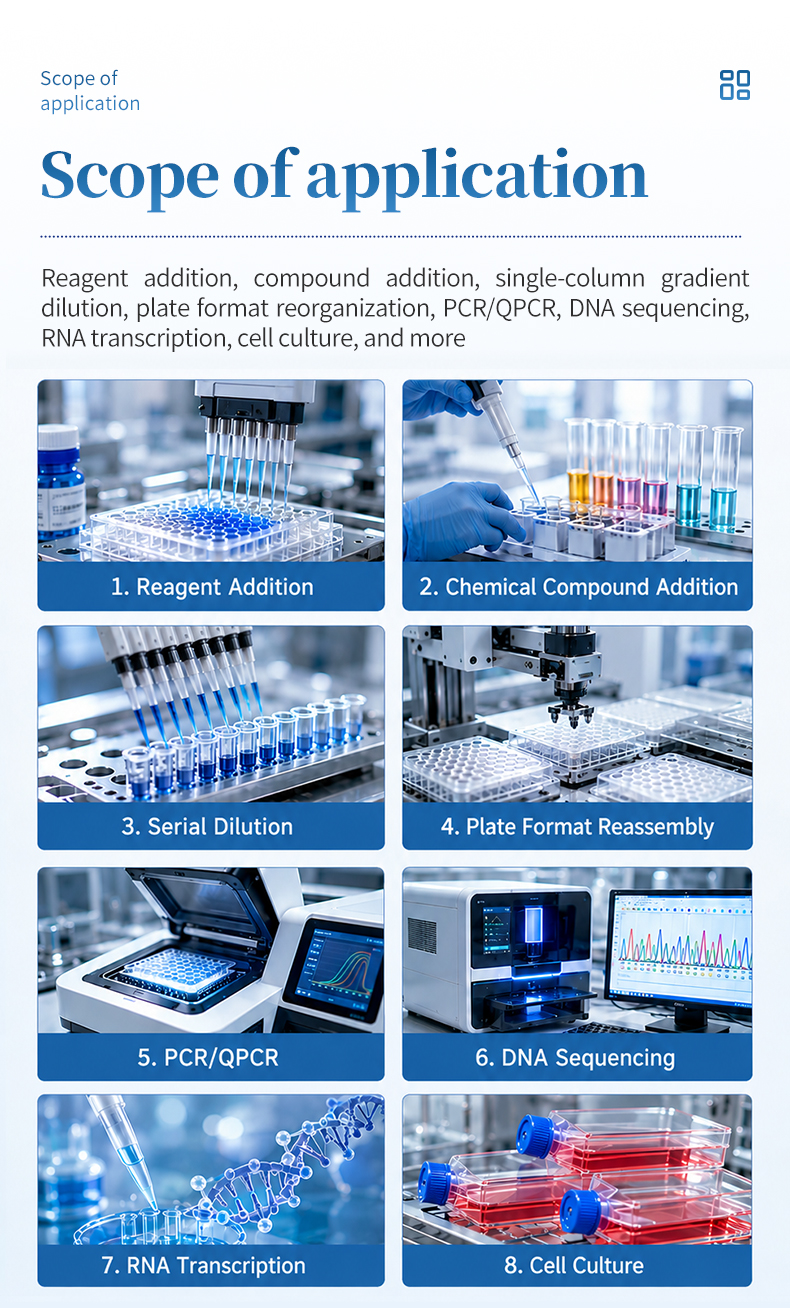
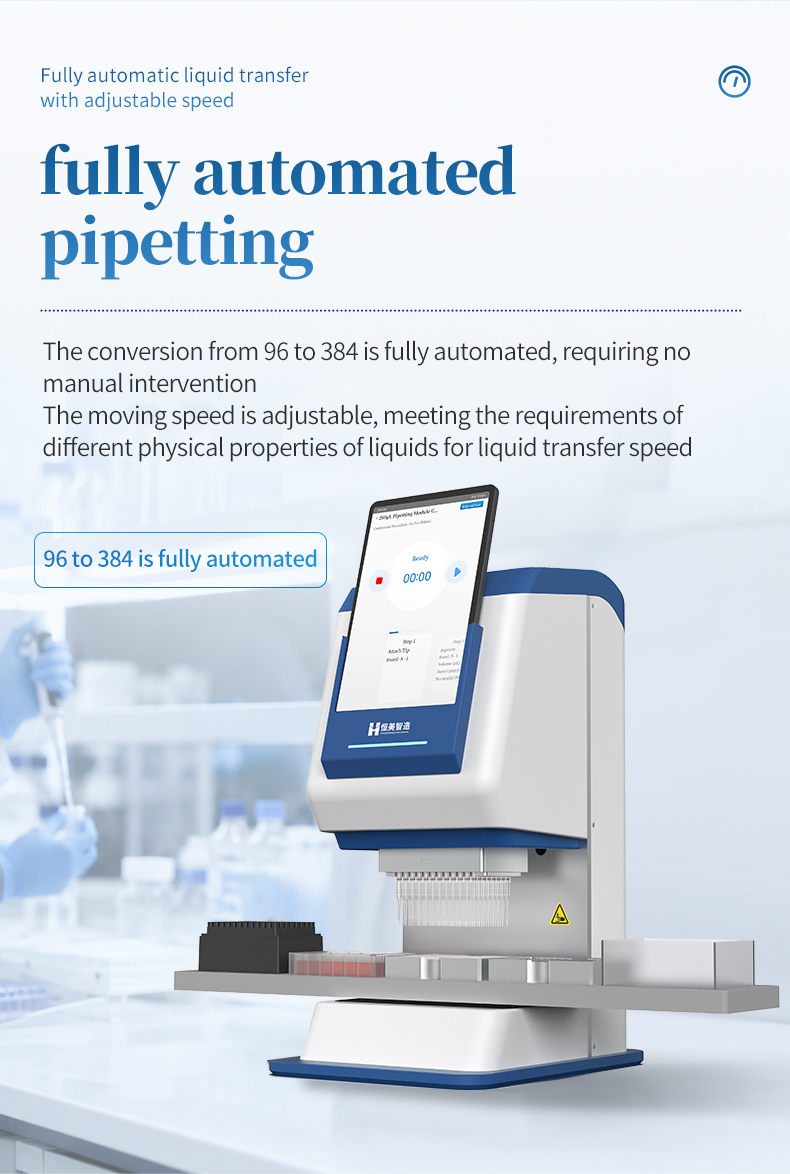
Full HTS protocol chains: Compound dispensing → primary dilution → secondary dilution → detection reagent → stop solution → 96-to-384 reformatting in a single unattended run
Multi-source primary screening: 2–3 compound source plates loaded simultaneously for continuous library processing without swap pauses
Cell-based HTS inside BSC: Biohazardous target dispensing and cell reagent addition within biosafety containment
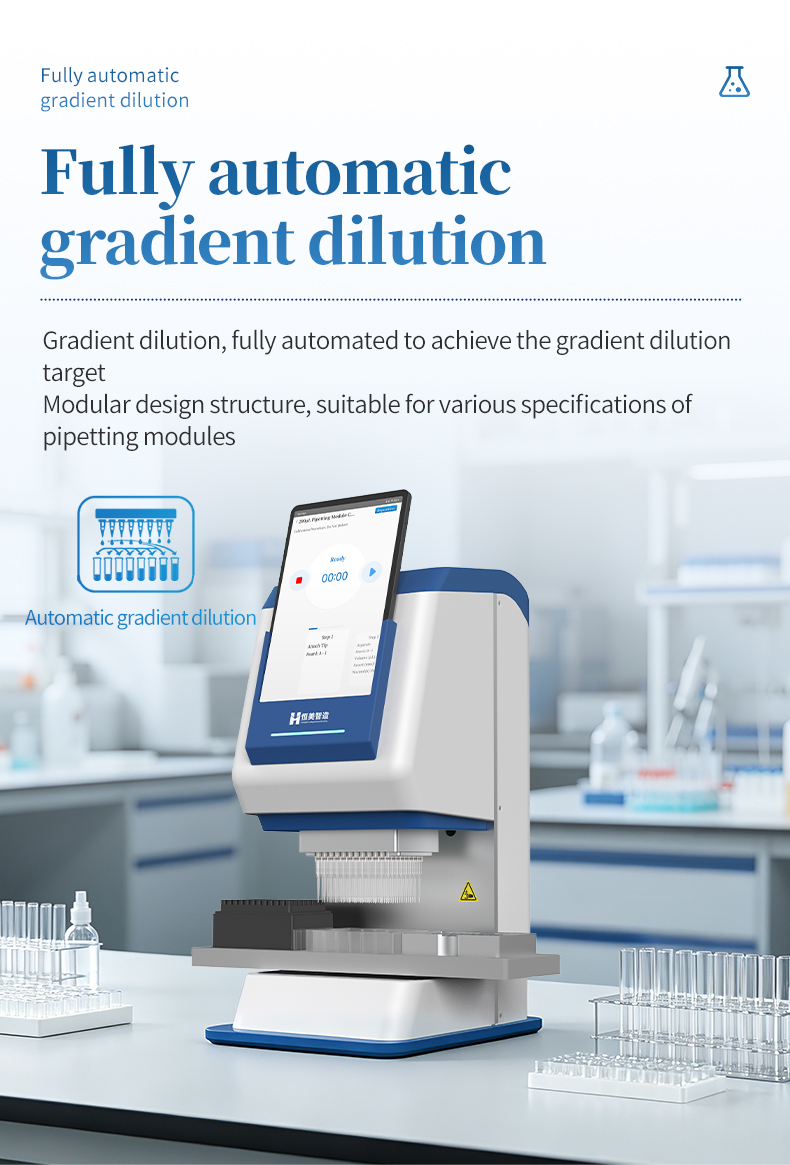
Confirmatory dose-response: 8–12 point serial dilution curves with built-in gradient dilution at ≤0.5% CV
Assay miniaturization campaigns: 96-to-384 reformatting integrated into the HTS protocol, not as a separate manual step
Key Features & Advantages
6 SBS deck positions — the only configuration that runs full 6-step HTS chains without any plate swap
Continuous compound-to-data execution: dispensing, dilution, detection, stop and reformatting in one cycle
Multi-source compound loading: 2–3 source plates plus diluent and reagent reservoirs simultaneously online
≤0.8% accuracy at 200 μL and ≤0.5% CV maintained across all sequential steps
Built-in gradient dilution automates 8–12 point dose-response series at ≤0.5% CV
96-to-384 reformatting integrated into the HTS protocol — no separate manual transfer step
Adjustable aspiration speed for DMSO stocks, glycerol solutions and volatile reagents
580 × 350 × 580 mm BSC-compatible footprint for cell-based HTS inside containment
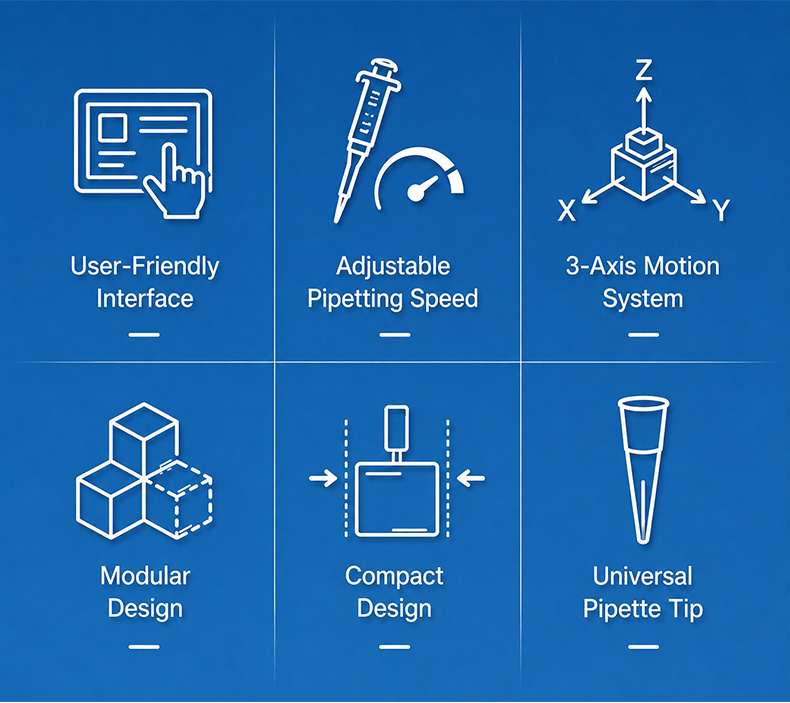
Android tablet with Bluetooth control enables BSC-internal instrument + external tablet workflow
USB Type-C (PD) for simultaneous charging and data transfer during long screening campaigns
Protocol export/import for multi-instrument standardization across screening core facilities
Universal tip compatibility eliminates proprietary consumable contracts and supply chain risk
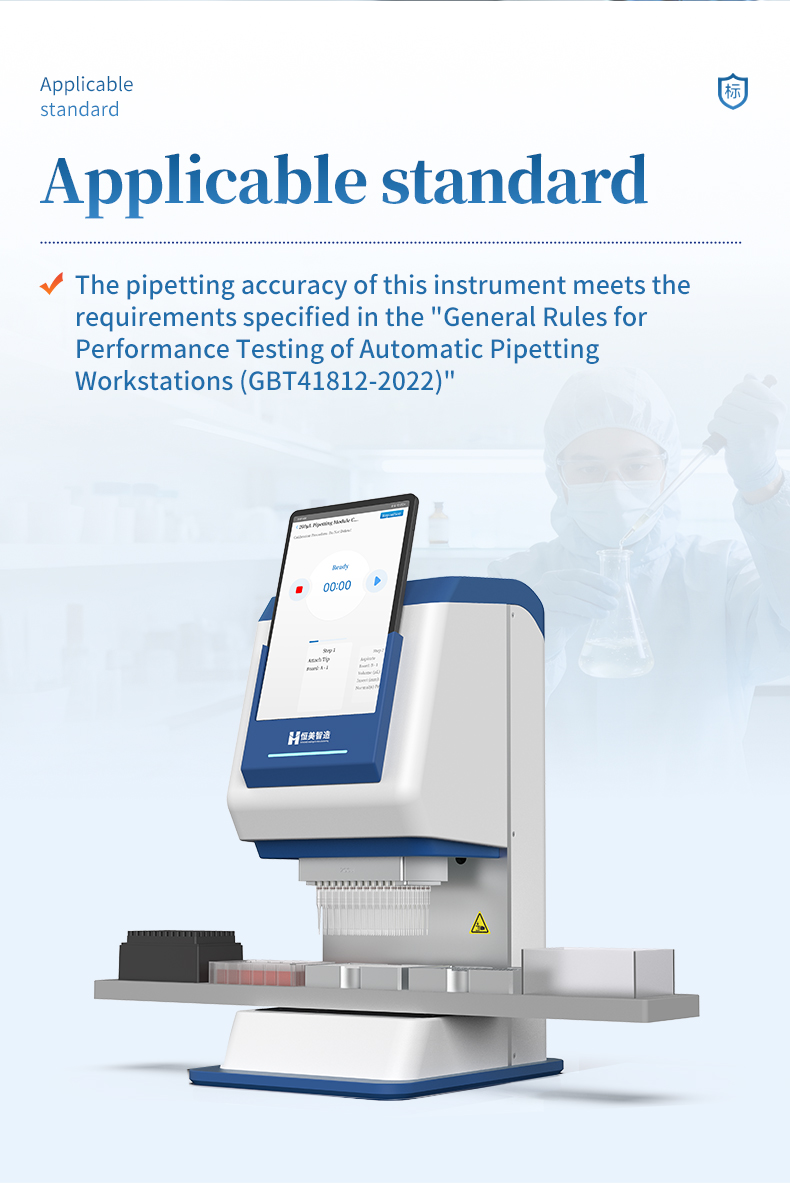
GBT 41812-2022 verified precision for regulated screening environments
Technical Specifications
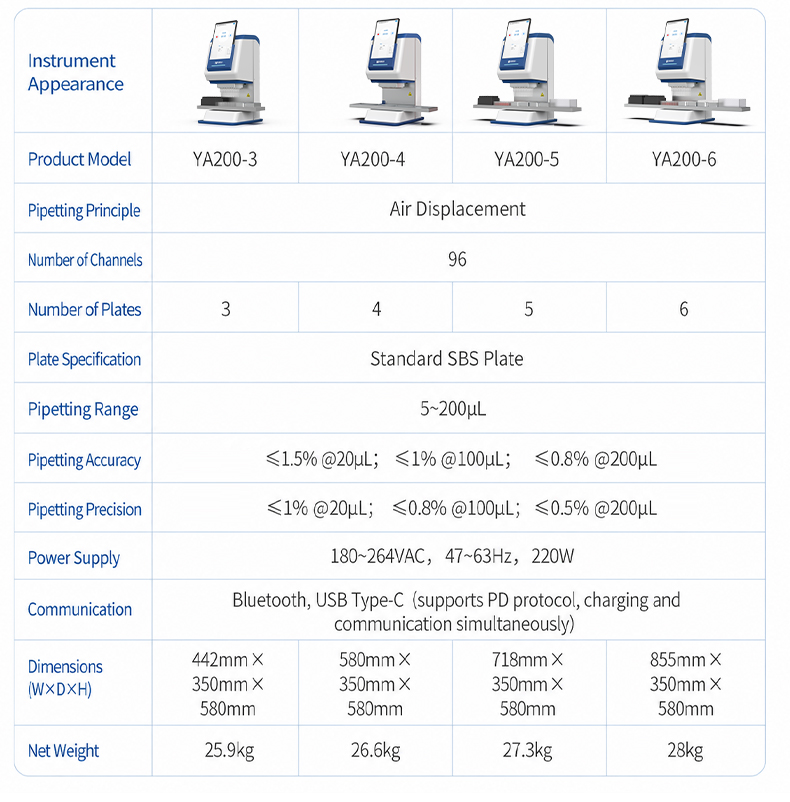
| Parameter | Value |
|---|---|
| Pipetting principle | Air displacement |
| Number of channels | 96 (fixed) |
| Volume range | 5–200 μL |
| Accuracy | ≤1.5% at 20 μL; ≤1% at 100 μL; ≤0.8% at 200 μL |
| Precision (CV) | ≤1% at 20 μL; ≤0.8% at 100 μL; ≤0.5% at 200 μL |
| Deck positions | 6 |
| Plate format | Standard SBS |
| Control interface | Android tablet |
| Connectivity | Bluetooth, USB Type-C (PD) |
| Power supply | 180–264 VAC, 47–63 Hz, 220W |
| Dimensions | 580 × 350 × 580 mm |
| Weight | 26.6 kg |
| Compliance standard | GBT 41812-2022 |
FAQ
What advantage does 6 deck positions provide over 5 for HTS workflows?
Five deck positions support compound + diluent + detection reagent + destination + tips. The sixth position enables: (1) a second compound source plate for continuous library processing, (2) an intermediate dilution plate for two-step dilution protocols, or (3) a separate stop solution reservoir. Any of these additions eliminates a plate-swap pause that would otherwise break the continuous run — critical for time-sensitive enzymatic HTS assays where incubation timing must be consistent across all plates.
How does the YA200-6 maintain precision across 6-step protocols?
Each transfer step is independently controlled by the motor-driven air-displacement piston, so pipetting precision does not accumulate across sequential steps. In validation testing, final-step precision (≤0.5% CV at 200 μL) remains within 0.1% of single-step precision after 6 sequential transfers, confirming that multi-step execution does not degrade data quality.
Can the YA200-6 run 96-to-384 reformatting within an HTS protocol?
Yes. The 96-to-384 reformatting function can be embedded as a protocol step rather than performed as a separate operation. After compound addition and detection reagent steps are completed on 96-well plates, the protocol automatically transfers to 384-well format using the quadrant dispensing method — reducing the reformatting step from a 15-minute manual process to under 3 minutes automated, with zero additional operator intervention.
Is the YA200-6 suitable for cell-based HTS with BSL-2 agents?
Yes. The 580 × 350 × 580 mm footprint fits inside standard Class II BSCs, enabling the entire HTS pipetting process — including compound addition to cells and detection reagent dispensing — to occur within containment. The Bluetooth-connected Android tablet allows operators to monitor and control the run from outside the BSC, maintaining aseptic conditions throughout the campaign.
What throughput can an HTS core facility achieve with the YA200-6?
For a standard 6-step HTS protocol (compound → dilution → detection → stop → reformat), the YA200-6 processes approximately 80 plates per 8-hour shift in continuous mode — compared to 20–30 plates with a 3-deck configuration requiring manual plate swaps. When combined with 96-to-384 reformatting, this enables 320 effective 384-well plates per shift.
How does multi-source compound loading benefit screening campaigns?
Large compound libraries are typically stored across multiple 96-well source plates. With 6 deck positions, 2–3 source plates can be loaded simultaneously, and the protocol sequentially aspirates from each source without pausing to swap plates. For a 300,000-compound primary screen, this eliminates approximately 800 plate-swap interruptions and saves 20+ hours of cumulative idle time across the campaign.
Address of this article:https://labinstruments.net/automated-pipetting-workstation/hts-core-facility-96-channel-pipetting-station.html
- Previous: Wide-Range Automated Pipetting Workstation for Comprehensive Laboratory Assay Workflows
- Next: no more