

 Current
location:
Current
location: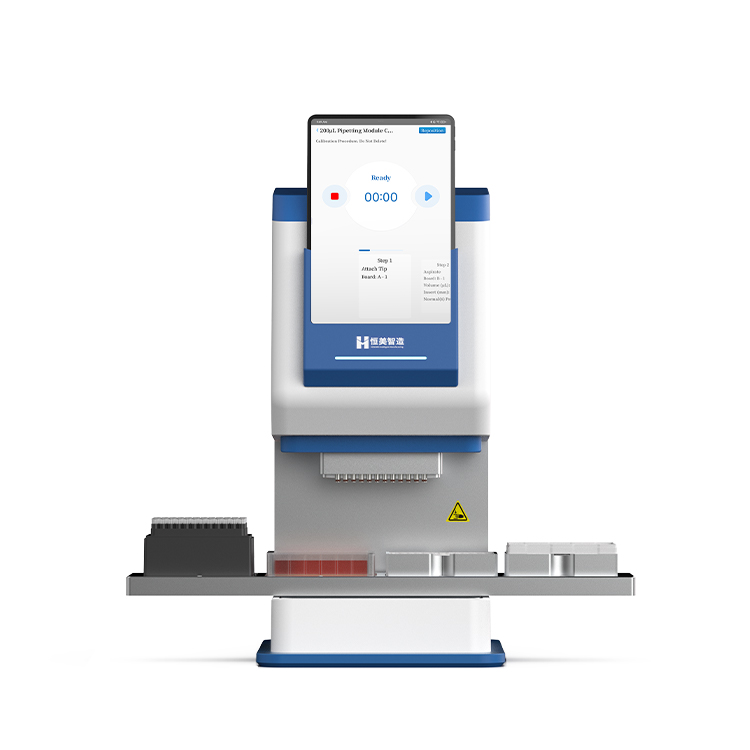
 +86 17853698681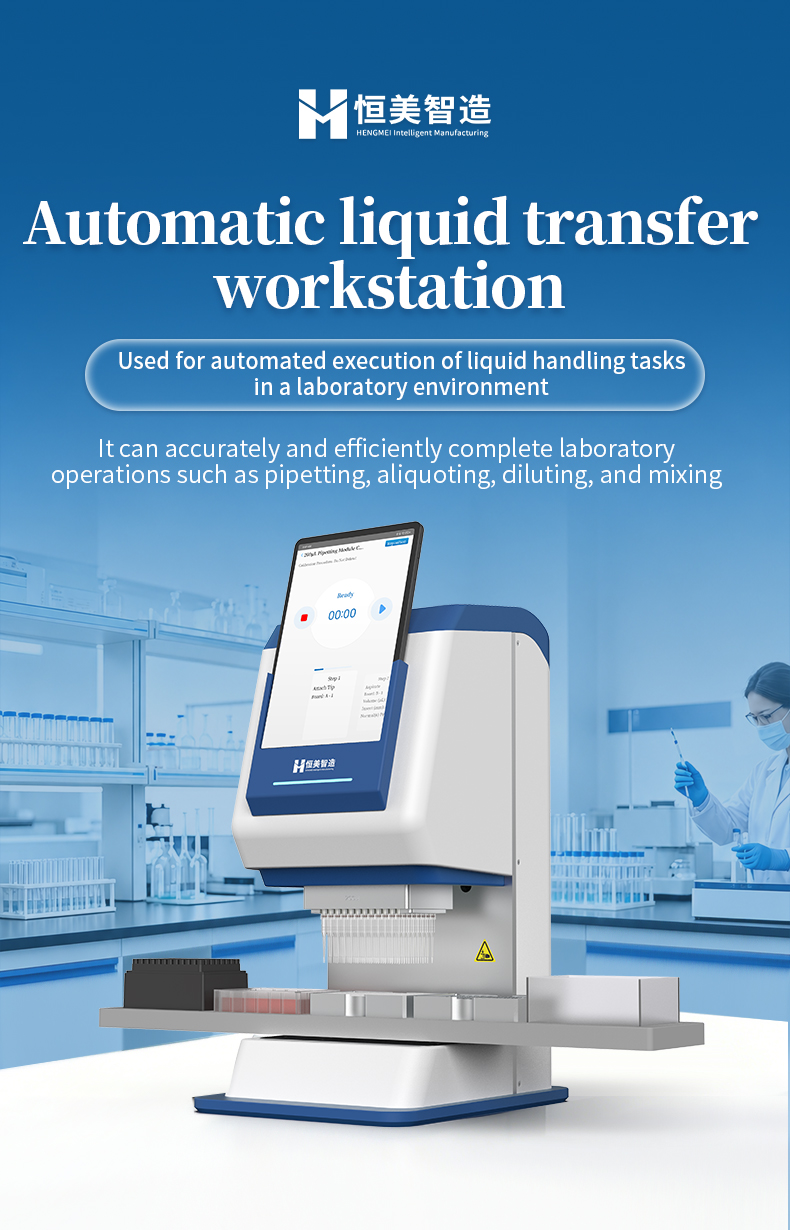

Product Introduction
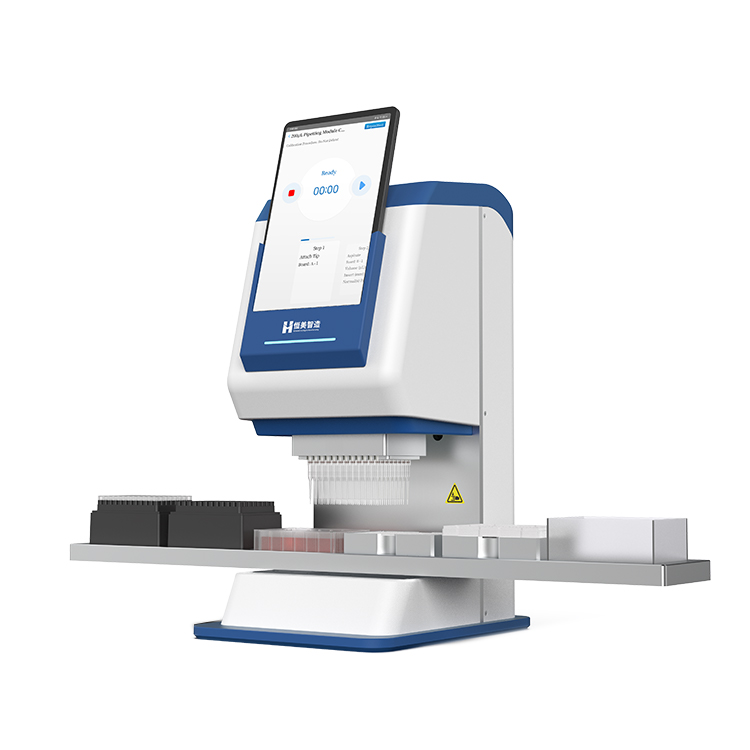
Drug discovery screening laboratories process compound libraries across 96- and 384-well plates, requiring serial dilution for dose-response curves and precise compound addition across assay plates. The YA200-3 addresses two critical challenges in screening workflows: the time-consuming and error-prone manual serial dilution process, and the 96-to-384 format transfer needed for assay miniaturization.
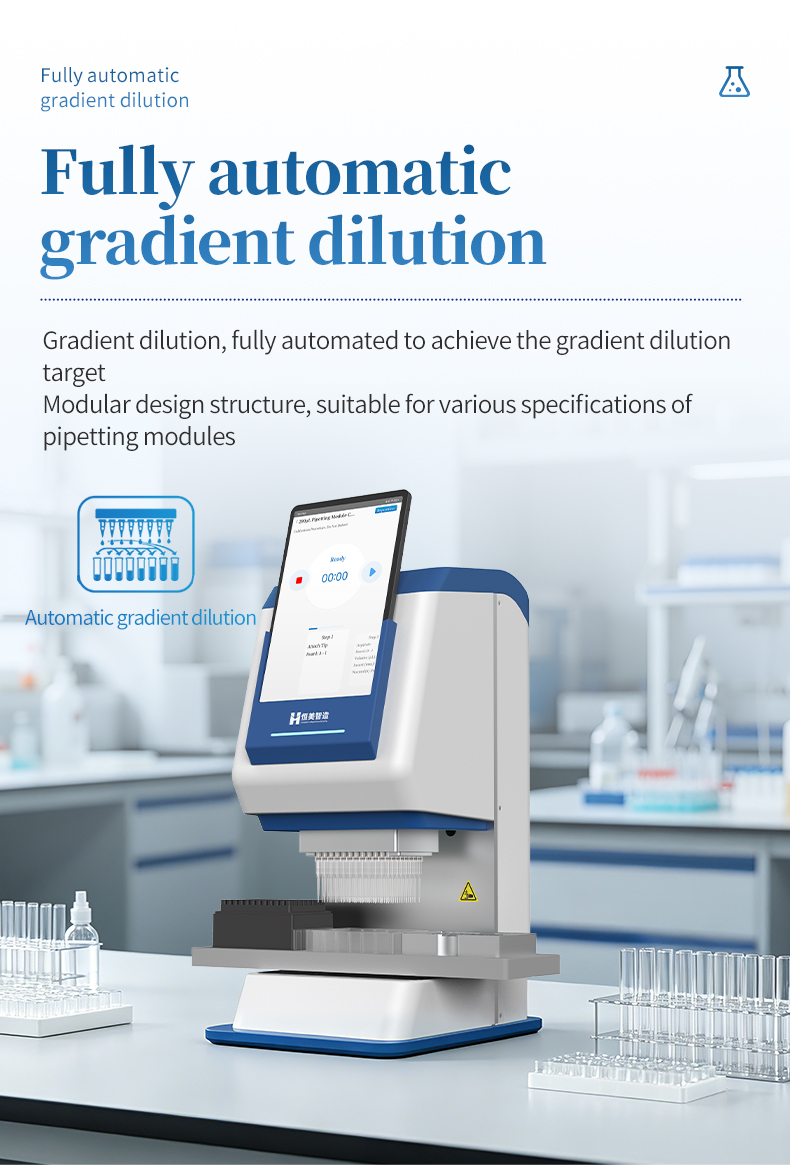
The built-in gradient dilution function automates serial dilution across plate columns. For a 1:3 dilution series across 8 concentrations, the system aspirates compound, performs the first dilution, mixes by repeated aspiration and dispensing, then transfers to subsequent columns — completing a full 96-well 8-point dilution in approximately 4 minutes with precision of ≤0.8% CV at 100 μL. This is a 10× throughput improvement over manual serial dilution, with 5–10× better precision.
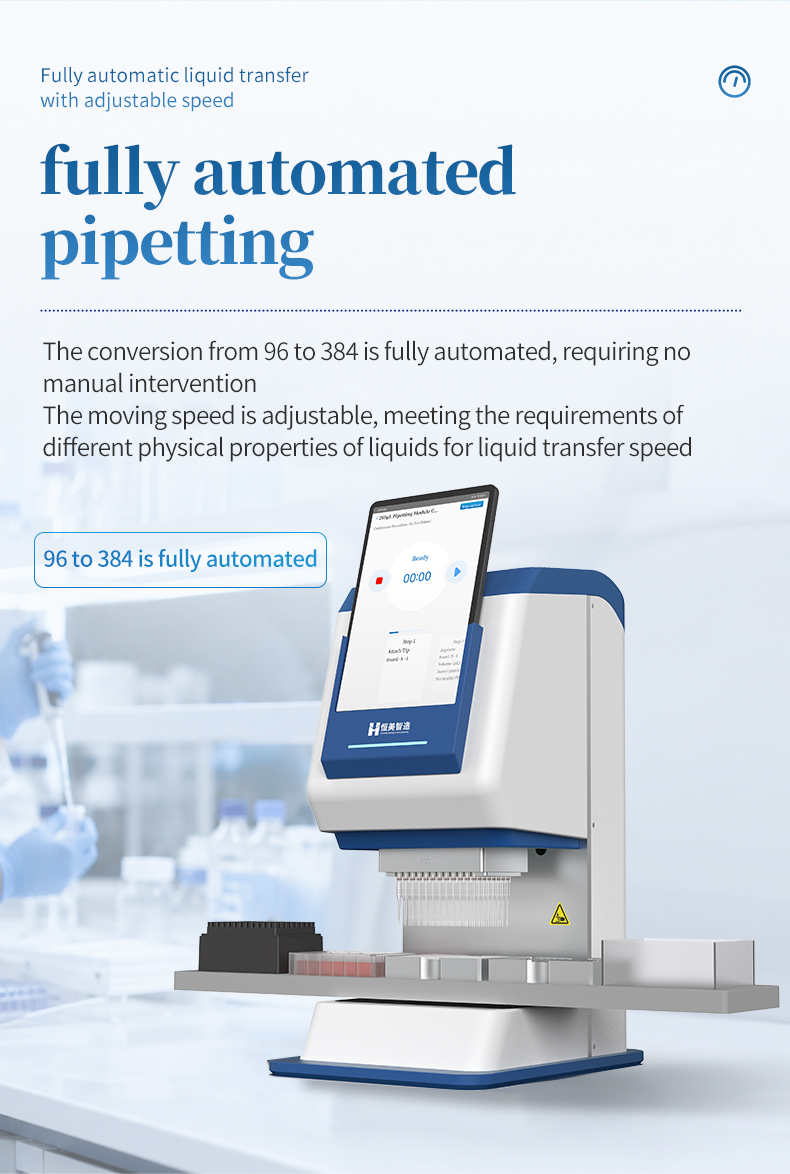
The 96-to-384 format transfer capability enables screening teams to maintain compound libraries in 96-well format while executing assays in 384-well format for 4× throughput gains. The automated quadrant dispensing protocol completes the full transfer in under 3 minutes.
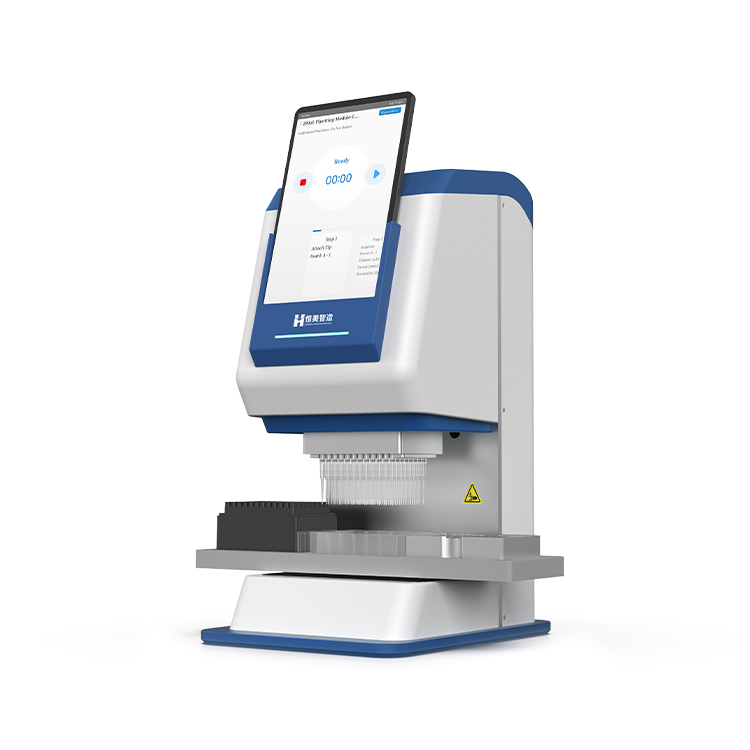
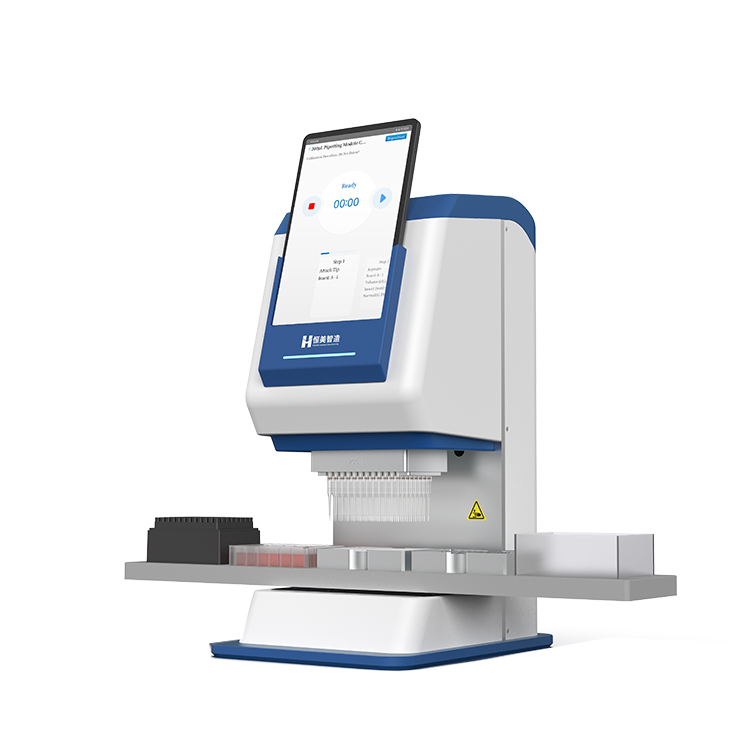
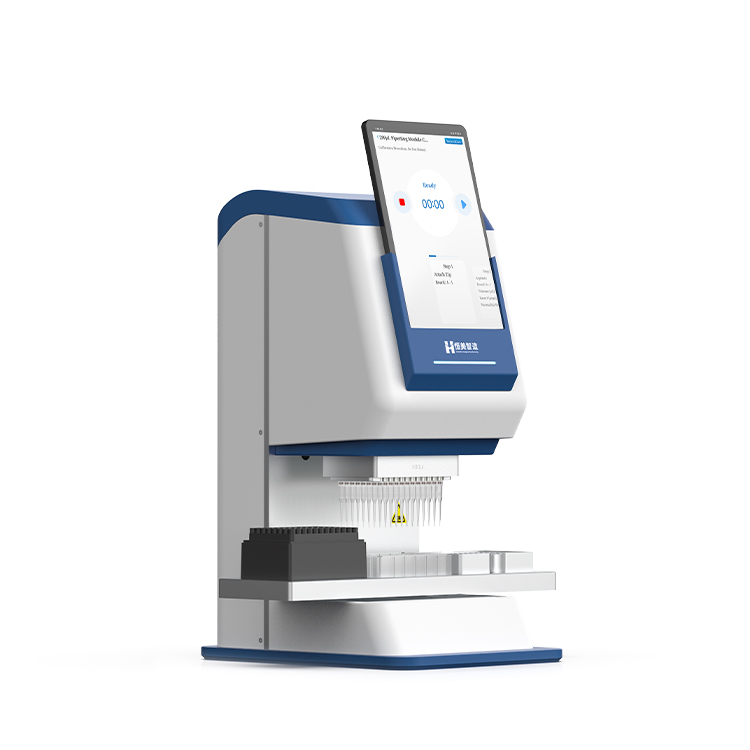
With 3 deck positions, the YA200-3 supports the basic screening workflow: compound source plate + destination plate + tip box. The adjustable speed feature accommodates DMSO-containing compound stocks (slow aspiration) and volatile reagents (fast dispense with blow-out).
Applications
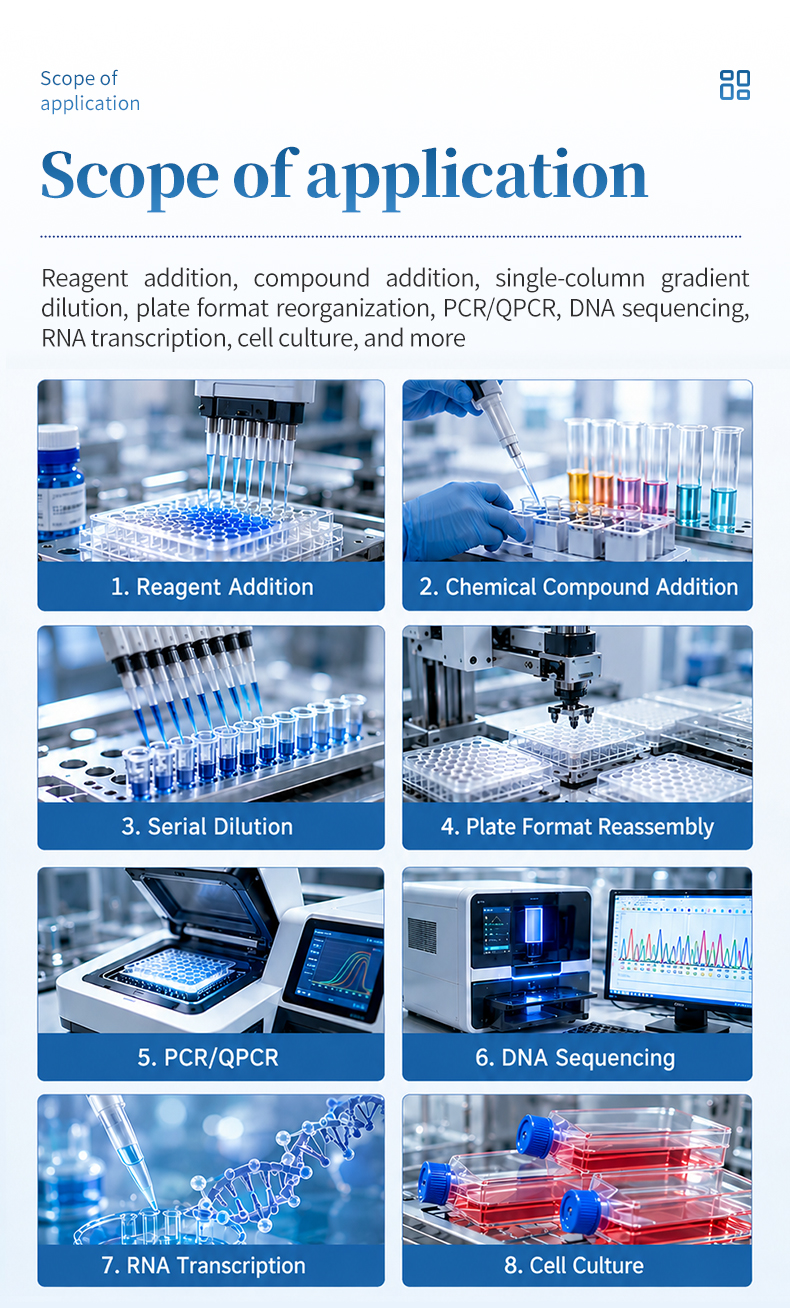
Compound screening with dose-response: Automated gradient dilution creating 8-point concentration series across 96 compounds
96-to-384 assay miniaturization: Quadrant dispensing for 4× throughput increase in high-throughput screens
Cell viability assays: Gentle CCK-8/MTT reagent dispensing inside BSC for cytotoxicity screening
ELISA screening: Consistent conjugate and substrate dispensing for plate-based protein detection
Target validation assays: Multi-step reagent addition for biochemical and cell-based target engagement
Key Features and Advantages
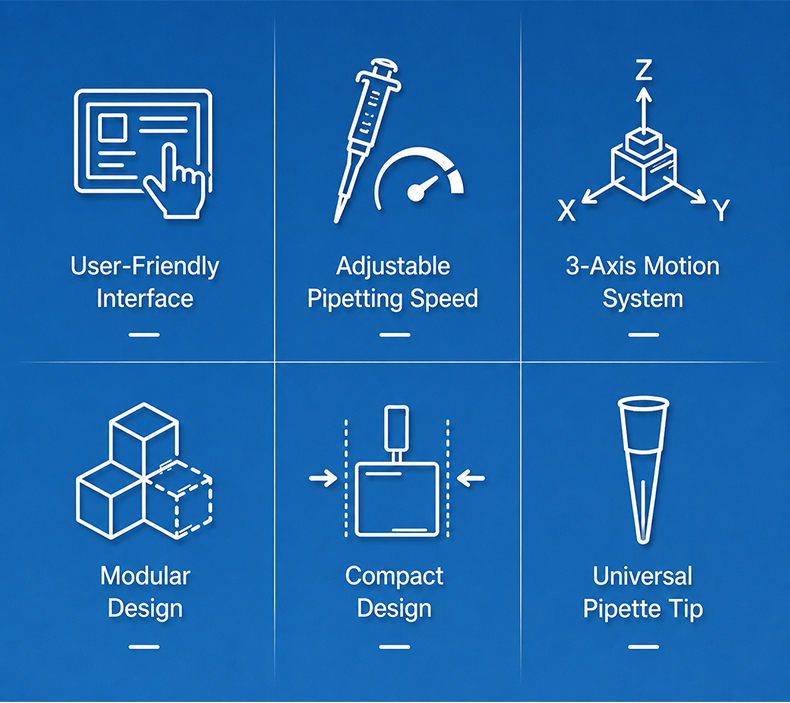
Built-in gradient dilution automates serial dilution at ≤0.8% CV — 5–10× better than manual
96-to-384 format transfer for assay miniaturization with 4× throughput increase
5–200 μL volume range covers compound addition, dilution, and assay readout volumes
≤1% accuracy at 100 μL ensures dose-response curve reliability
Adjustable speed for DMSO compound stocks and volatile screening reagents
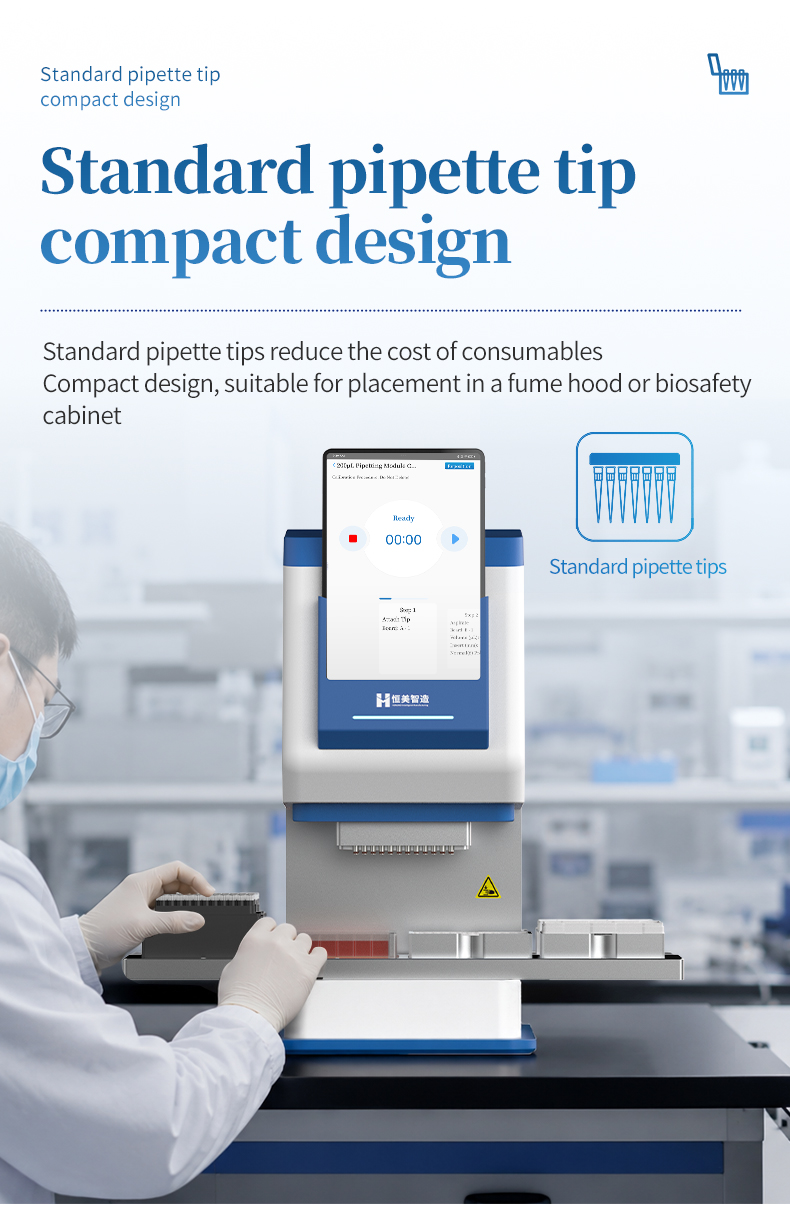
BSC-compatible footprint for cell-based screening inside containment
3 deck positions for basic compound screening workflow
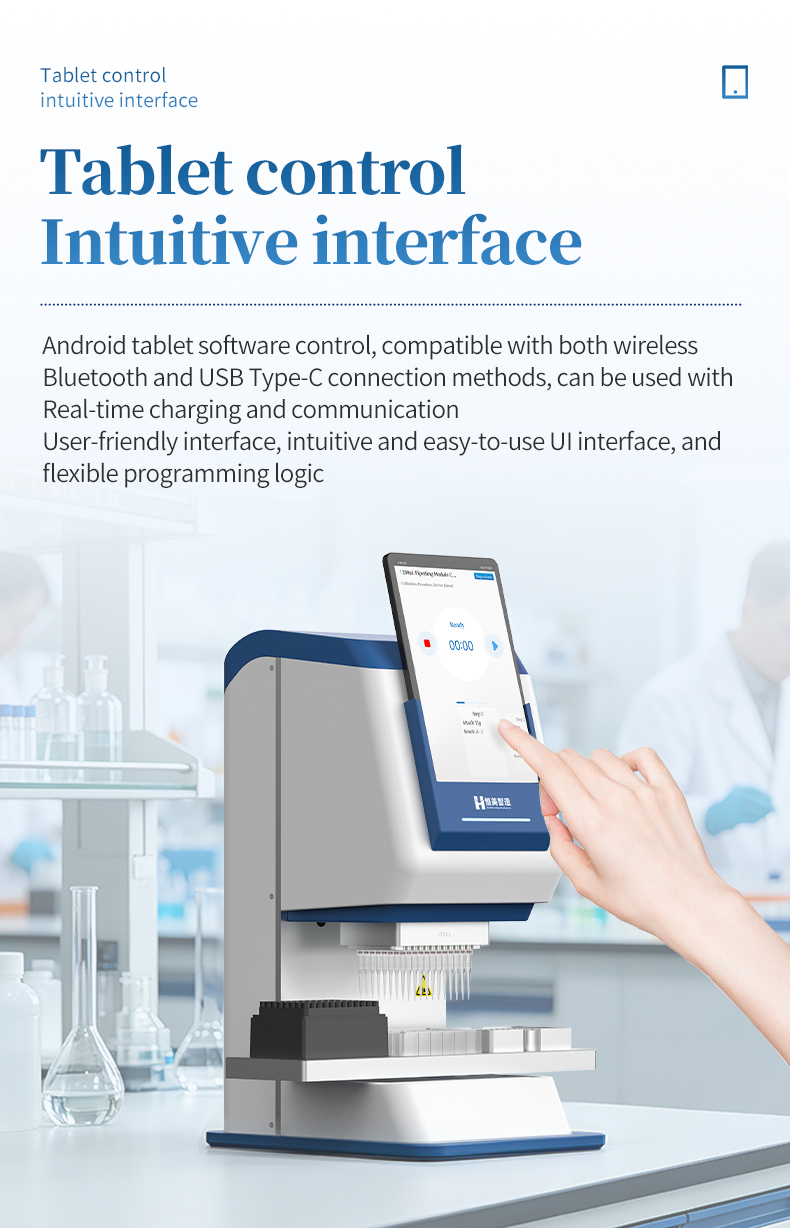
Android tablet control with protocol logging for screening documentation
Universal tip compatibility — no proprietary consumable lock-in
Pre-built screening protocol templates accelerate deployment
Technical Specifications
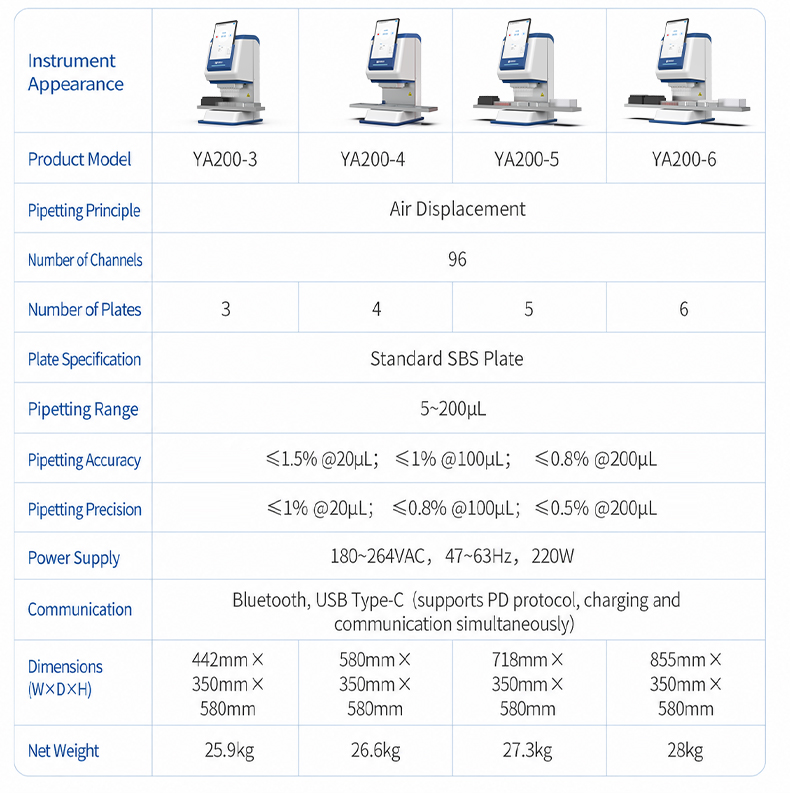
| Parameter | Value |
|---|---|
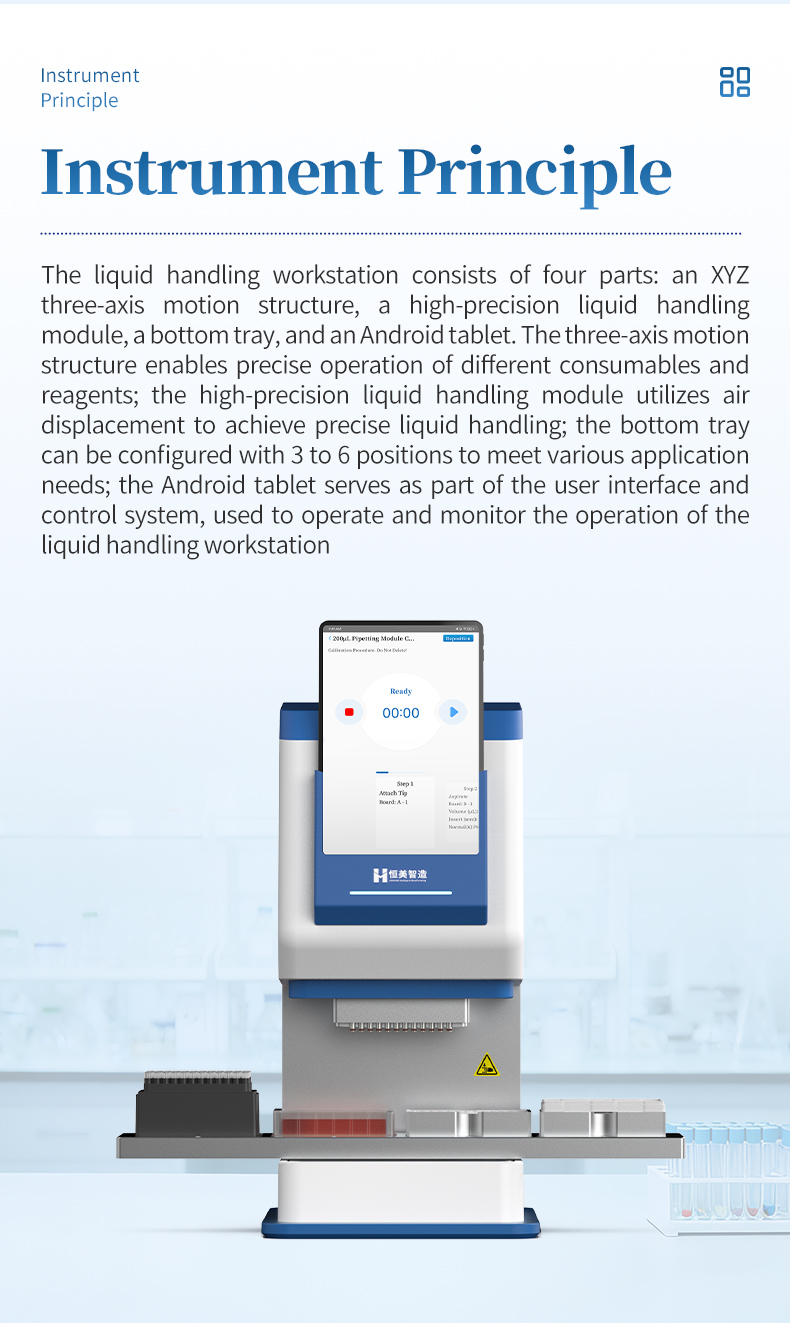
| Pipetting principle | Air displacement |
| Number of channels | 96 (fixed) |
| Volume range | 5–200 μL |
| Accuracy | ≤1.5% at 20 μL; ≤1% at 100 μL; ≤0.8% at 200 μL |
| Precision (CV) | ≤1% at 20 μL; ≤0.8% at 100 μL; ≤0.5% at 200 μL |
| Deck positions | 3 |
| Plate format | Standard SBS |
| Control interface | Android tablet |
| Connectivity | Bluetooth, USB Type-C (PD) |
| Power supply | 180–264 VAC, 47–63 Hz, 220W |
| Dimensions | 580 × 350 × 580 mm |
| Weight | 26.6 kg |
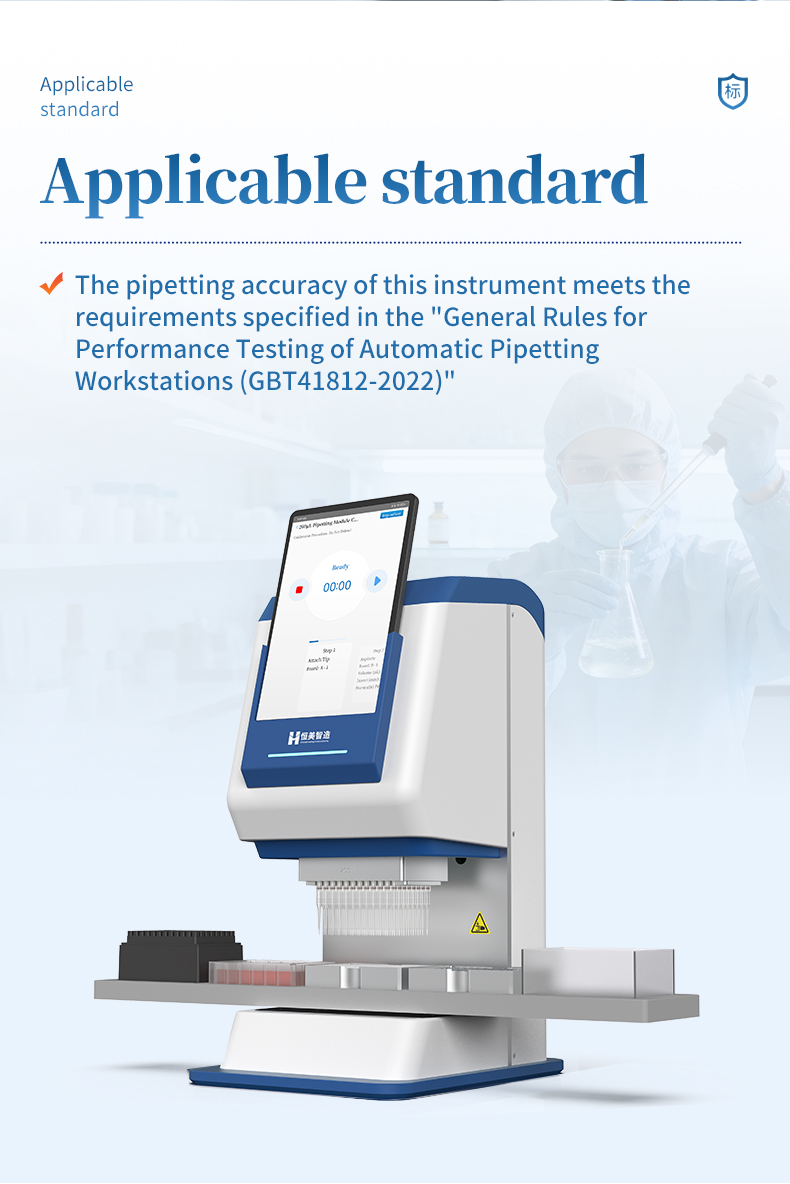
| Compliance standard | GBT 41812-2022 |
FAQ
How does the gradient dilution function improve screening data quality?
Manual serial dilution typically produces CV of 5–10% due to cumulative pipetting error. The YA200-3 automated gradient dilution achieves ≤0.8% CV at 100 μL, producing dose-response curves with tighter confidence intervals and more reliable IC50 determinations.
Can the YA200-3 handle DMSO compound stocks?
Yes. The adjustable speed feature allows slow aspiration for viscous DMSO solutions to prevent incomplete filling, and fast dispense with blow-out for complete delivery. Speed settings are saved per protocol step.
What is 96-to-384 format transfer and why is it important?
Compound libraries are typically stored in 96-well format, but assays benefit from 384-well format for 4× throughput and 4× reagent savings. The YA200-3 automatically aspirates from a 96-well source and sequentially fills each quadrant of a 384-well plate in under 3 minutes.
Is 3 deck positions sufficient for screening workflows?
For basic compound screening (source plate + destination plate + tip box), 3 positions are sufficient. For multi-reagent screening requiring diluent or control reservoirs, consider the YA200-4 or YA200-5 with additional deck positions.
How does BSC compatibility benefit drug discovery?
Cell-based screening assays using biohazardous targets or infectious agents require BSC containment. The YA200-3 fits inside standard BSCs, enabling automated pipetting without transferring plates to an external instrument — reducing contamination risk.
Address of this article:https://labinstruments.net/automated-pipetting-workstation/drug-discovery-96-channel-pipetting-station.html